Is purple rice always healthier than white rice? Be careful of common wellness misconceptions. A doctor points out that 4 foods often marketed as healthy actually hide blood sugar spikes. And when it comes to soy milk versus oat milk—which should you choose?
Weight-loss physician Dr. Xiao Jie-jian shared on Facebook that many people deliberately avoid white rice for health reasons, choosing seemingly healthier purple rice instead. But this may be a common health misconception. He breaks down 4 common dietary traps and the blood sugar risks behind them:
1. White Rice vs. Purple Rice
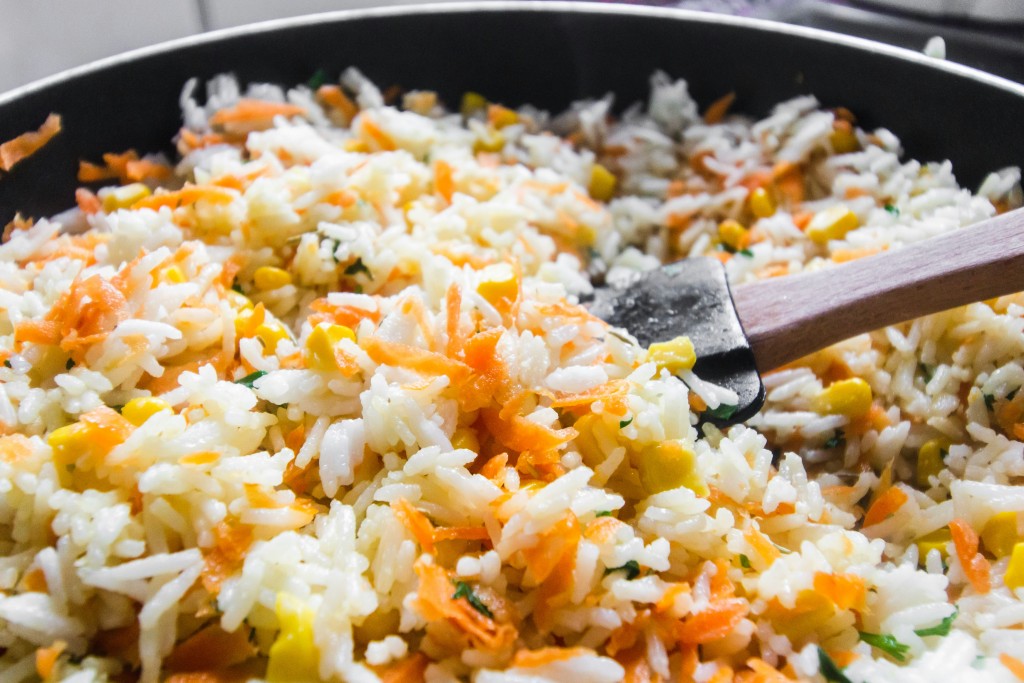
Many believe purple rice is healthier than white rice—but this is a misconception. Purple rice actually belongs to the glutinous rice family, containing almost no resistant starch, and is more likely to cause bloating. Xiao explains that common rice varieties fall into three categories: indica (zailai), japonica (penglai), and glutinous. Thai rice and black rice are indica types—when cooled, their resistant starch content becomes very high. Regular white rice is japonica; when cooled, its resistant starch rises significantly from 4% to 14%. Glutinous rice contains almost no amylose, so even when cooled, it doesn't reduce the blood sugar response.
2. Braised Snacks (Lu Wei) vs. Salted Water Chicken
When choosing between these two for a late-night snack, Xiao strongly recommends salted water chicken. Braised items are often soaked for long periods in rich braising sauces and broths, while salted water chicken allows you to choose relatively plain, simple ingredients.
3. Soy Milk vs. Oat Milk
Between unsweetened soy milk and unsweetened oat milk, Xiao recommends soy milk. Once oats are ground and processed into a drink, their natural physical structure is altered, turning them into refined starch. Drinking oat milk causes blood sugar to spike rapidly.
4. Banana vs. Apple
For fruit, if choosing between the two, prioritize apples. Bananas contain relatively higher carbohydrates and sugar. However, this doesn't mean bananas are unhealthy—they're actually great before or after exercise.
Xiao emphasises that no food is absolutely good or bad. The key is choosing the right timing based on your daily activity level. For example, save higher-carb foods like bananas or purple rice for high-intensity workout days, choose white rice for rice balls, and opt for salted water chicken for late-night snacks. For effective weight loss, he recommends "carb cycling"—building a base with adequate high-quality protein, then flexibly arranging high-, medium-, or low-carb days based on your activity level, reducing carb intake on less active days.
What Blood Sugar Level Is Too High? Watch for 8 Early Signs of Diabetes
According to the Hong Kong Hospital Authority, diabetes is a chronic metabolic disorder. It occurs when insulin secretion by the pancreas is insufficient, or when insulin cannot function properly, causing blood sugar to rise abnormally. Type 2 diabetes accounts for over 90% of cases and is mainly related to poor diet, obesity, and lack of exercise. Body cells become resistant to insulin, unable to effectively absorb and utilise glucose, causing excess sugar to accumulate in the blood.
High blood sugar can lead to metabolic disorders of fats and proteins and, over time, damage multiple systems and organs, including the cardiovascular system, retina, nerves, and kidneys.
According to the American Diabetes Association's recommendations:
-
Impaired Fasting Glucose: Fasting blood sugar between ≥5.6 mmol/L and <7 mmol/L.
-
Impaired Glucose Tolerance: 2-hour post-meal blood sugar between ≥7.8 mmol/L and <11.1 mmol/L.
-
Both conditions are considered prediabetes.
-
Diabetes: Fasting blood sugar ≥7 mmol/L, or 2-hour post-meal blood sugar >11.1 mmol/L.
Early Symptoms of Diabetes:
Some patients may experience:
Sources: Weight-Loss Physician Dr. Xiao Jiejian, Hospital Authority (Hong Kong)