Many people drink Jue Ming Zi tea for constipation relief. But experts say this roasted seed offers much more. Studies show it can also lower blood pressure, improve cholesterol, and even aid weight loss. You can even use it to make a DIY pillow for headaches and better sleep.
Jue Ming Zi (Cassia Seed) Tea: A Traditional Remedy with Modern Benefits
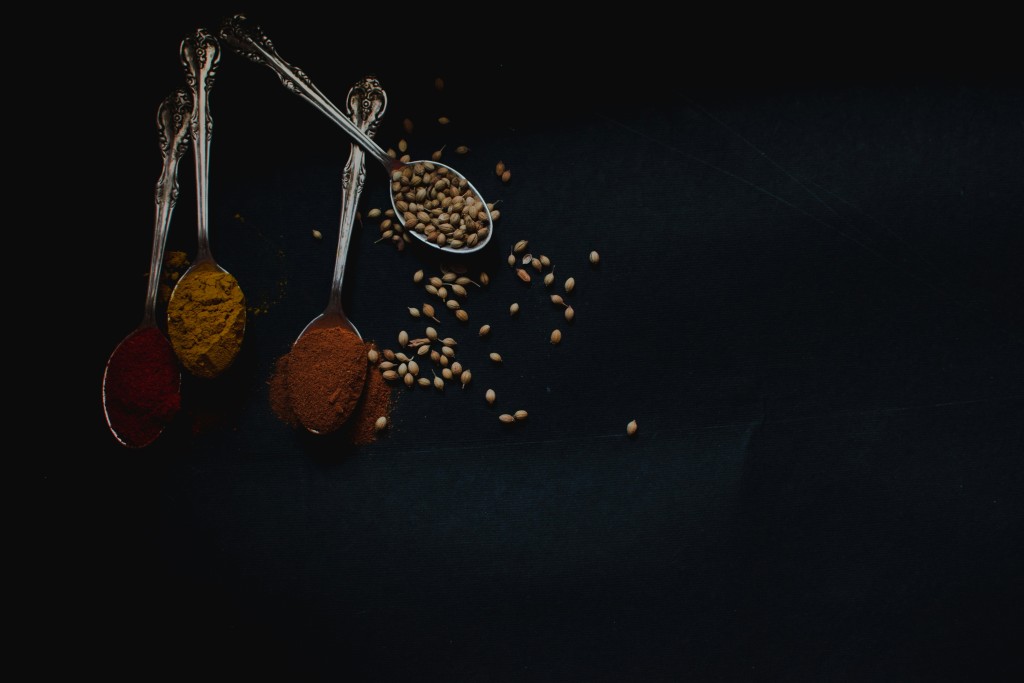
Food safety expert Wayne recently explained that Jue Ming Zi—the dried seed of Cassia obtusifolia or Cassia tora—has been used in traditional Chinese medicine for centuries. According to the Compendium of Materia Medica, it's known for clearing the liver and improving vision. In Taiwan, old-fashioned black tea is often made with a 3:1 or even 1:1 mix of Assam black tea and roasted cassia seeds, adding a roasted aroma and slight bitterness that enhances flavour complexity.
In TCM, Jue Ming Zi is valued for its "moistening and laxative" effects. Modern nutrition confirms it contains anthraquinones—key ingredients in many slimming and laxative teas.
7 Health Benefits of Cassia Seeds
When roasted, cassia seeds release volatile furan compounds, giving them a unique aroma. They also contain volatile oils, carbohydrates, proteins, amino acids, vitamin A, sterols, anthraquinones, and naphthopyrones. Modern research confirms these 7 benefits:
1. Promotes Bowel Movements and Prevents Constipation
Cassia seeds contain anthraquinones like chrysophanol and emodin, which act as natural laxatives (also found in Polygonum multiflorum, rhubarb, aloe, and senna). These exist as free or bound glycosides. Free anthraquinones are absorbed in the upper GI tract; bound forms reach the colon, where gut bacteria hydrolyse them into active forms, stimulating bowel movements. However, roasting reduces the bound anthraquinone content, weakening the laxative effect.
2. Antioxidant
Studies show cassia seed water extracts have free-radical-scavenging activity. But over-roasting at high temperatures reduces this antioxidant capacity.
3. Lowers Blood Lipids
Animal studies show anthraquinones in cassia seeds inhibit cholesterol synthesis, reducing total cholesterol, LDL (bad cholesterol), and triglycerides, while increasing HDL (good cholesterol). A human trial found that overweight participants who took 3g of cassia seed powder daily for 36 weeks significantly reduced their waist circumference and lowered total and LDL cholesterol.
4. Lowers Blood Sugar
Animal studies suggest cassia seed extracts help regulate glucose metabolism in diabetic models, though more human trials are needed.
5. Lowers Blood Pressure
Cassia seeds have been shown in animal models to effectively reduce both systolic and diastolic blood pressure.
6. Protects the Liver
In animal studies, cassia seed extract reduced liver enzyme levels (GOT, GPT) in mice with acute liver injury induced by carbon tetrachloride (CCl4), indicating liver-protective effects.
7. Supports Weight Loss
A human trial involving 23 overweight women aged 60–69 found that daily cassia seed tea combined with Tai Chi significantly reduced BMI and waist circumference, while also improving cardiovascular fitness and cholesterol levels.
Precautions and Side Effects
Despite its benefits, Wayne advises caution:
-
Raw (unroasted) cassia seeds are cooling in nature—effects may be too strong. Roasted seeds are milder.
-
People with low blood pressure or pregnant women should consult a TCM practitioner or doctor before use.
-
Those sensitive to diarrhoea should not consume excessive amounts.
-
Avoid long-term, high-dose consumption purely for weight loss—this can lead to dehydration, electrolyte imbalance, or malnutrition.
DIY Cassia Seed Pillow for Headaches and Sleep
Wayne adds that the Ri Hua Zi Ben Cao mentions using cassia seeds topically on the temples for headaches and as a pillow for dizziness. A DIY cassia seed pillow may promote head circulation; warming it slightly in winter can be soothing, and the natural scent and gentle rustling sound can help you sleep better.
Source: Food Safety Expert Wayne