Read More
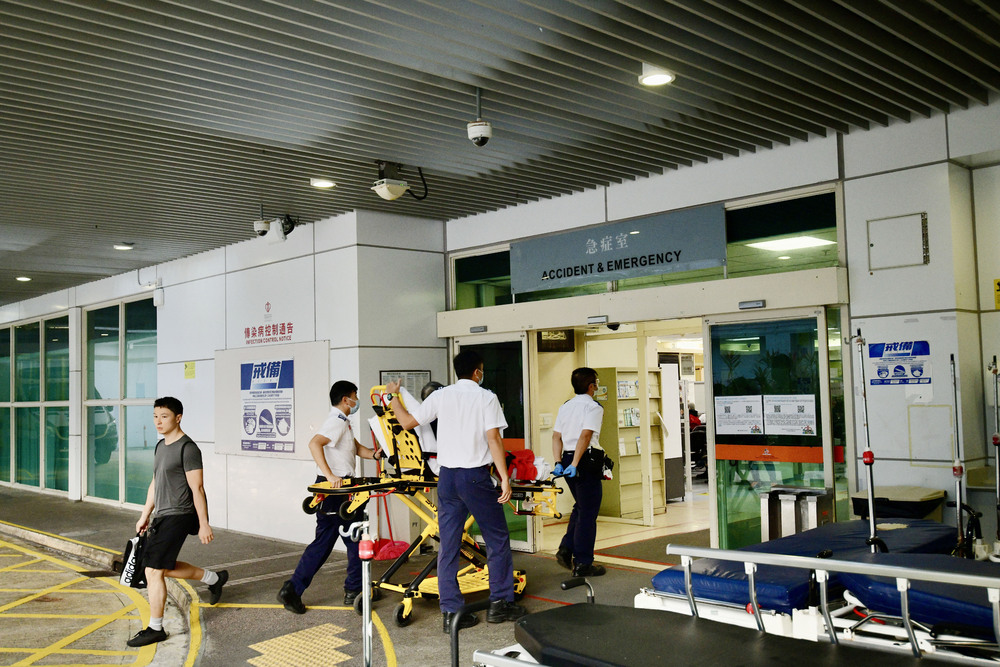
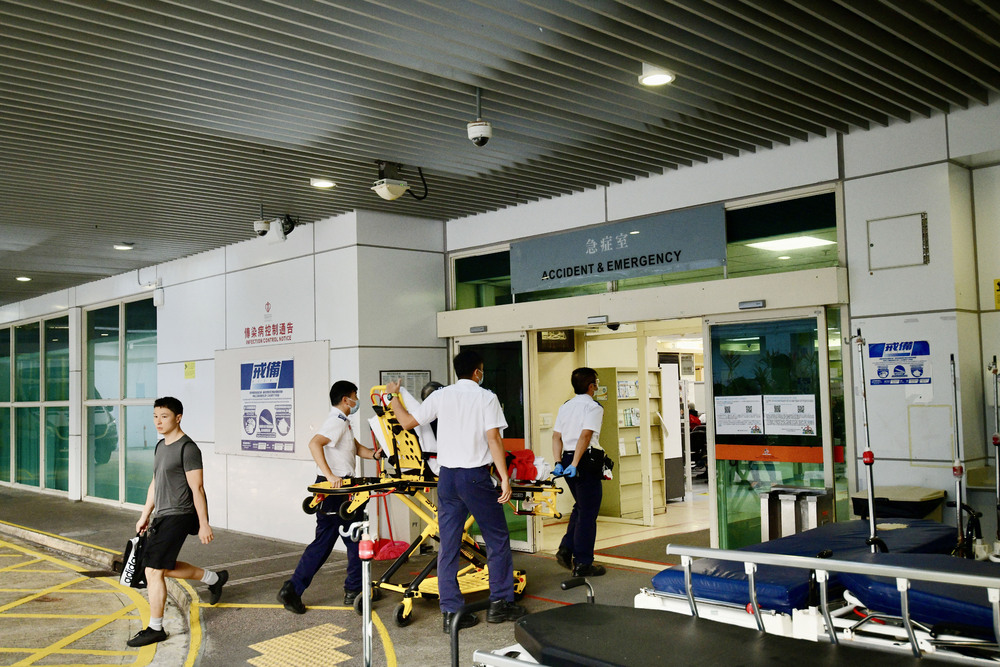
A varying charge at public hospital emergency rooms depending on the severity of a patient's condition would prompt arguments rather than diverting people to private hospitals, a former head of a Hospital Authority hospital cluster said.
ADVERTISEMENT
SCROLL TO CONTINUE WITH CONTENT
Luk Che-chung, a former chief executive of the authority's east cluster, said deciding patients' medical fees through the current triage system would be controversial among patients and doctors.
"Medical workers at public institutions only have one responsibility - to save and cure patients," Luk said yesterday. "We have to consider carefully if we are trying to give them extra responsibility, regardless of whether it is intentional or not."
Medical staff at emergency rooms must be prepared for major incidents at any time and maintain the operation of the emergency room in a fast and orderly manner, he said, adding that it was far from ideal if they had to deal with duties irrelevant to treatment for patients.
It would also affect the quality of emergency room services if medical staff had to explain constantly the charging policies to patients. That could also lead to arguments and chaos, Luk said.
"The emergency room is like a battlefield and medics have to be fully prepared for patients with urgent needs, such as a patient with a sudden heart attack or an injured person suddenly requiring emergency treatment," he said. "Therefore, chaos is not allowed in emergency rooms.
"If medics are worried about the explanation to patients and the possible arguments it will have a negative impact on services."
Luk said nurses in charge of triage determine the seriousness of patients' conditions based on their symptoms, blood pressure and heartbeat. Therefore, they may not be able to notice the severity of some diseases at first if patients only have mild symptoms.
Based on his experience, Luk said around 10 percent of patients in semi-urgent and non-urgent conditions have to be hospitalized after seeing the doctor. That showed even non-urgent patients require medical help.
He also said authorities should consider alternative measures instead of relying only on adjustment of medical charges, such as arranging video consultations so patients have more choices.
Luk added most private medical hospitals and clinics do not provide medical services at night due to manpower shortages and low demands.
But they might be interested in introducing such services if the government raised the emergency room charge to a similar level as private family doctors as more patients would visit private clinics.

Luk Che-chung