
Read More
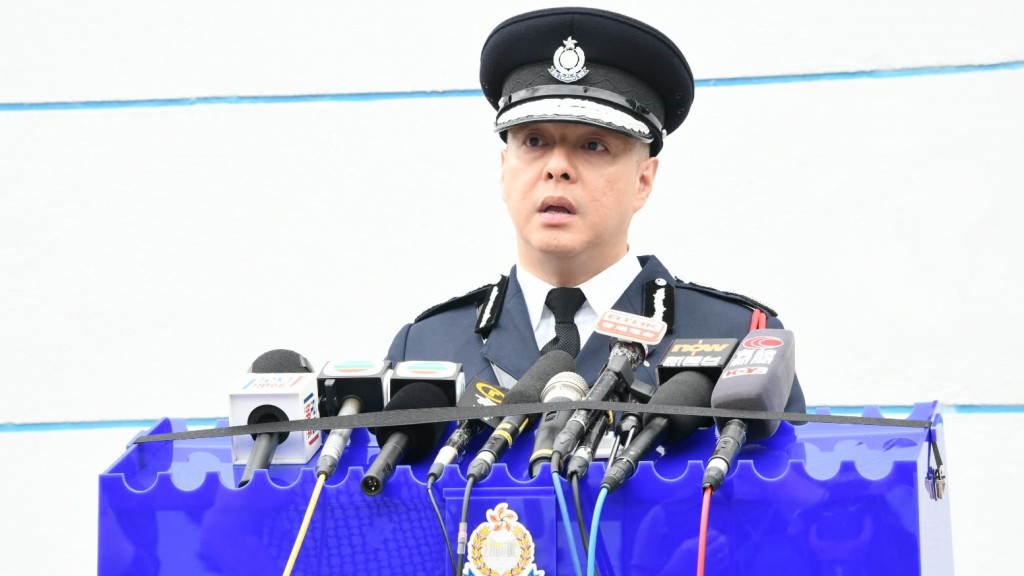
MTR Corporation Chief Executive Officer Jeny Yeung Mei-chun has detailed how the rail operator slashed the Northern Link's projected capital cost by 28 percent to HK$86.2 billion, following the signing of a full project agreement with the government.
ADVERTISEMENT
SCROLL TO CONTINUE WITH CONTENT
Speaking in a television interview, Yeung affirmed that the targeted 2034 opening remains unchanged, attributing the multi-billion-dollar savings to three key strategies: merging construction stages, pooling major procurement, and adopting unified engineering standards.
Consolidated works and adoption of national railway standards
Yeung explained that the Northern Link forms a crucial lateral artery linking the East Rail Line with the Tuen Ma Line across the Northern Metropolis, complete with a spur line extending to the new Huanggang Port checkpoint.
Rather than building in sequential phases, the corporation decided to plan and construct the first and second stages together. Yeung noted this unified approach avoids the heavy expenses and logistical headaches of coordinating around operational tracks during limited late-night hours.
The team is also maximizing precast modular elements and centralizing orders for major machinery, such as tunnel boring machines.
Crucially, the project marks the first time local rail infrastructure incorporates a modernized framework combining mainland Chinese national standards with European specifications. Yeung emphasized that embracing national standards expands the pool of eligible suppliers and design options, spurring competitive pricing and faster delivery.
She stressed that the operator maintains strict quality controls built over more than four decades, evaluating every component solely on engineering merit and regulatory compliance regardless of origin.
Rail-plus-property model to fund capital spending
Addressing project financing, Yeung pointed out that the government has granted eight land parcels to bridge the funding gap under Hong Kong’s long-standing Rail plus Property model. Under this mechanism, the rail operator master-plans station communities and tenders development packages to private builders, using proceeds after land premiums to fund rail construction, operations, and asset renewal.
Yeung expressed confidence that returns from the eight sites would cover the construction shortfall, mirroring past successes at Kowloon Station and Maritime Square.
Tenders will be rolled out progressively according to site readiness and market sentiment, with parcels near Kwu Tung Station potentially hitting the market ahead of 2034. Yeung added that property cycles naturally span long horizons, noting ongoing sales in decades-old projects like LOHAS Park.
Fiscal discipline and contractor accountability
Looking ahead to peak construction between 2029 and 2031, Yeung assured that the corporation practices prudent financial management, having accumulated cash reserves by issuing bonds and securing credit during favorable interest rate periods.
Turning to recent quality issues, Yeung addressed the discovery of incomplete concrete pillars at the Tung Chung West station site, revealing that company inspectors detected the flaw during routine checks in early October. Yeung voiced severe disappointment with the contractor, describing the lapse as unacceptable.
She noted that while platform-wide inspections delayed public disclosure until November, past contractor performance will carry heavy weight in future bidding, with the project timeline remaining unaffected.