Read More



Defying the demographic cliff: restoring hope
06-10-2026 04:56 HKT
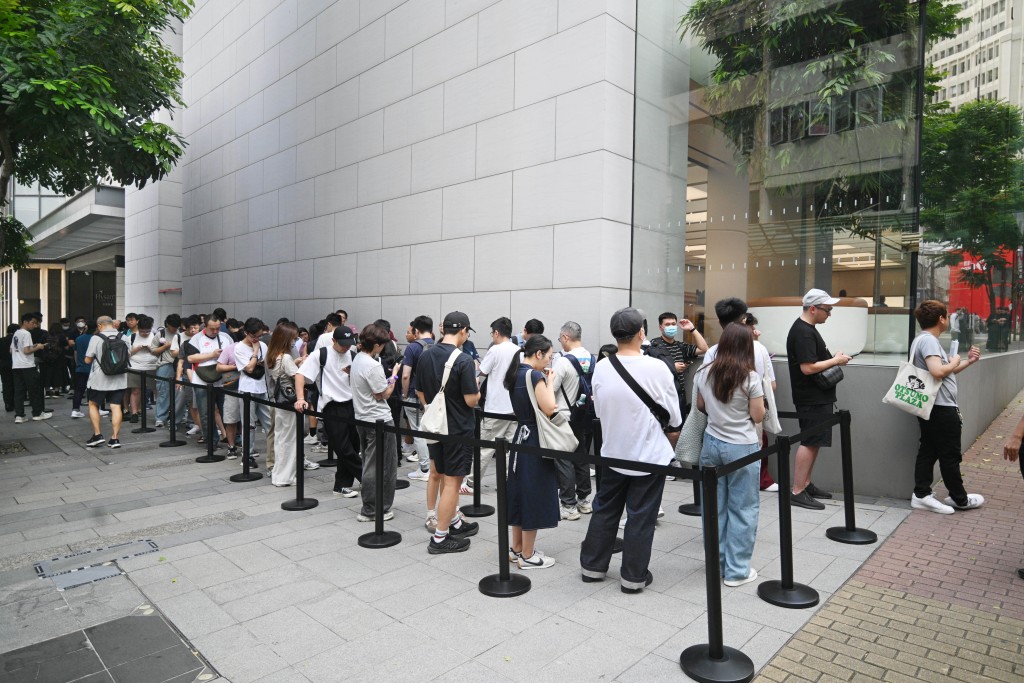
Credit card fraud hits foldable iPhone Duo launch
17-10-2026 12:23 HKT
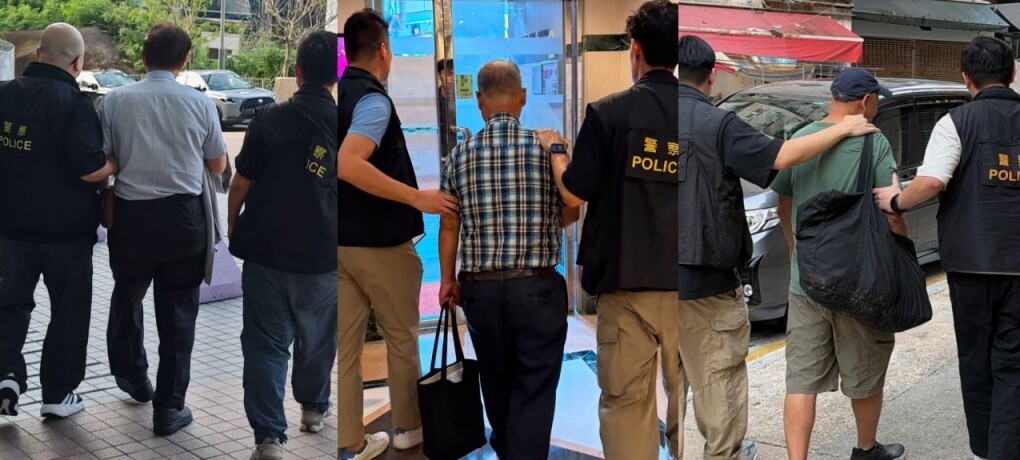
Three arrested over missing fire door frames in public estate lift overhaul
16-10-2026 20:10 HKT
This is one of the many things that ordinary people can tell just from their gut feeling, so was the SAR's Tourism Secretary Kevin Yeung Yun-hung able to feel the same?
But it was worth paying attention.
With Hong Kong falling behind cities like Guam, Singapore and Paris, could this be a wake-up call for our policymakers?
As said, the public knows the city is struggling to get back on track as one can readily tell by the number of people disappearing on normally busy streets at weekends.In some street markets catering mainly to tourists, vendors say their earnings have dropped significantly, with a number simply closing their stalls on a typical day.
The government did the right thing to remove all pandemic restrictions as the year began, but the recovery has been extremely slow.An obvious question is: if Japan had been a major source of high-spending visitors for Hong Kong in the past, why are so few coming now after all pandemic restrictions have been dropped?
Okada cited a few reasons.Most obviously, the Japanese yen has been at an all-time low against the Hong Kong dollar. If it was expensive to travel to Hong Kong in the past, the strong Hong Kong dollar is making everything even more costly for the Japanese.
Nobody can understand this better than Hongkongers who cross to the mainland in large numbers each weekend to take advantage of the favorable exchange rate against the yuan.But most surprising of all is that many Japanese feel it is unsafe to visit Hong Kong as they are not sure whether they would be arrested or have their internet use monitored.
Although Okada was shy about the specifics, it is thought that news reports - like the one concerning a Hong Kong youngster jailed for making seditious social media posts after returning from Japan where she had been studying politics - don't help the situation.Then, import bans maintained by the SAR on seafood from certain Japanese prefectures due to nuclear wastewater discharge may have contributed to the perception.
The government has invested tens of millions of dollars in a rebranding program to relaunch Hong Kong.If the investment has failed to change how the Japanese think about the city, could it have also failed to improve how other nationals perceive it?
Perhaps Yeung should consider paying a visit to Okada to understand the numbers so that government initiatives to reboot tourism can be better focused.