
Read More
Saudi Arabia is navigating an increasingly perilous strategic dilemma as the devastating fallout from the broader Iran conflict and relentless Houthi hostilities violently breach its borders.
ADVERTISEMENT
SCROLL TO CONTINUE WITH CONTENT
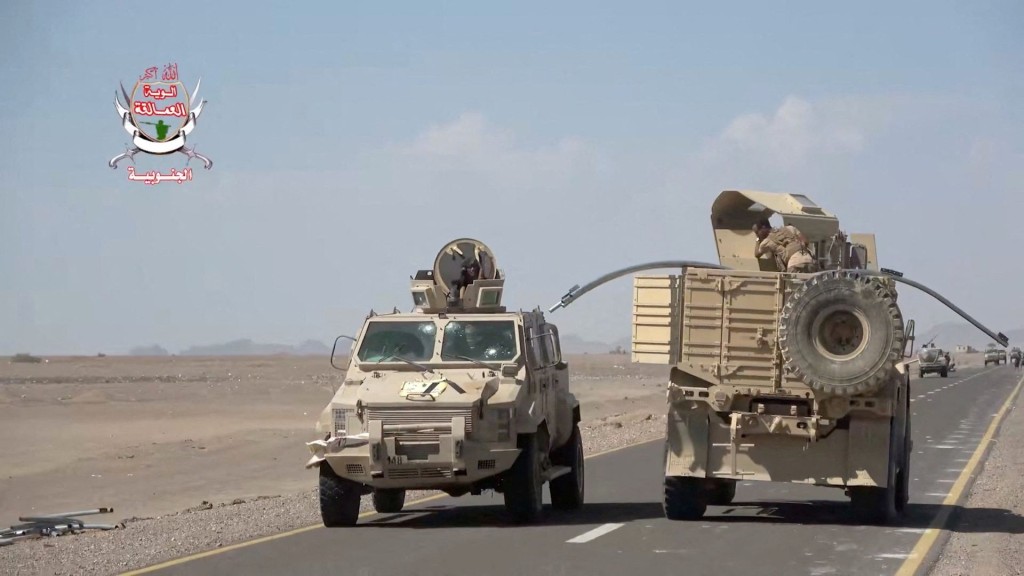
With recent coordinated drone and ballistic missile strikes paralyzing key Saudi airports and disrupting its airspace for consecutive days, the kingdom’s critical vulnerability to asymmetric warfare has been starkly exposed.
This persistent insecurity directly threatens the core of its economic sovereignty, costing the economy heavily in delayed regional logistics and grounded commercial aviation fleets.
In an urgent bid to fortify its defenses, Riyadh has invoked the Mecca Joint Defense Agreement – a mutual defense pact signed just months ago with regional heavyweights Pakistan and Turkey.
Yet, despite Islamabad and Ankara swiftly stepping up their support – deploying specialized military personnel, intelligence-sharing frameworks, and advanced air-defense systems – these conventional reinforcements have fallen short of the initial expectations for a NATO-style security architecture. The inherent difficulty of intercepting low-cost, decentralized Houthi barrages that cost a mere fraction of the defense interceptors used to destroy them reveals a sobering reality: imported military alliances alone cannot simply neutralize deeply entrenched proxy wars.
Vulnerability of Vision 2030
The ultimate casualty of this escalating instability is Crown Prince Mohammed bin Salman’s Vision 2030. This multi-trillion-dollar economic blueprint demands over US$100 billion (HK$780 billion) in annual foreign direct investment to materialize futuristic gigaprojects like the planned city Neom.
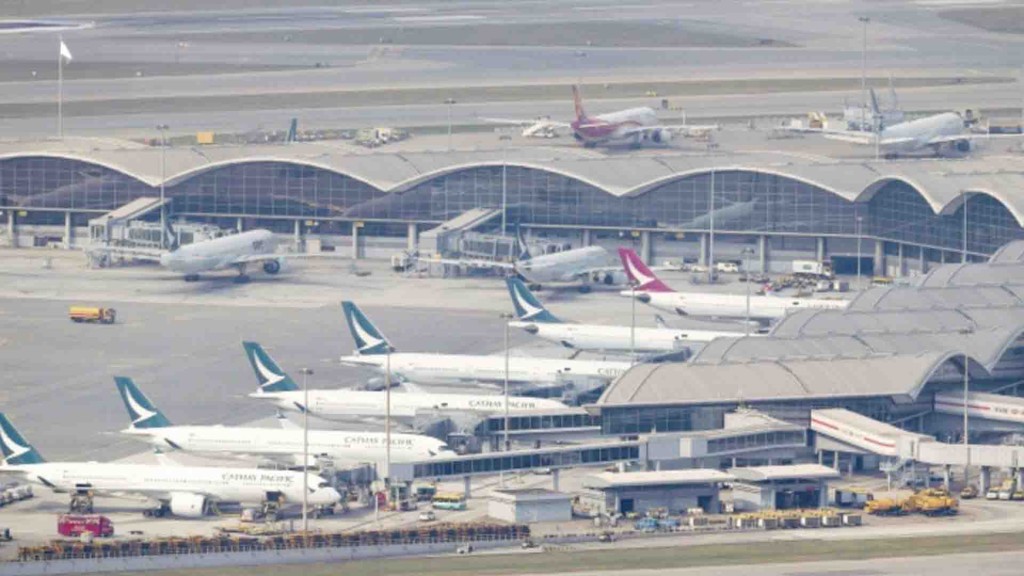
However, international capital intrinsically flees conflict zones. The immediate fallout is already disrupting vital connectivity. For instance, Hong Kong, which proudly launched its direct passenger flight route to Riyadh in October 2024 to anchor a new era of bilateral commerce, has recently faced severe operational disruptions and costly flight rerouting due to critical airspace risks.
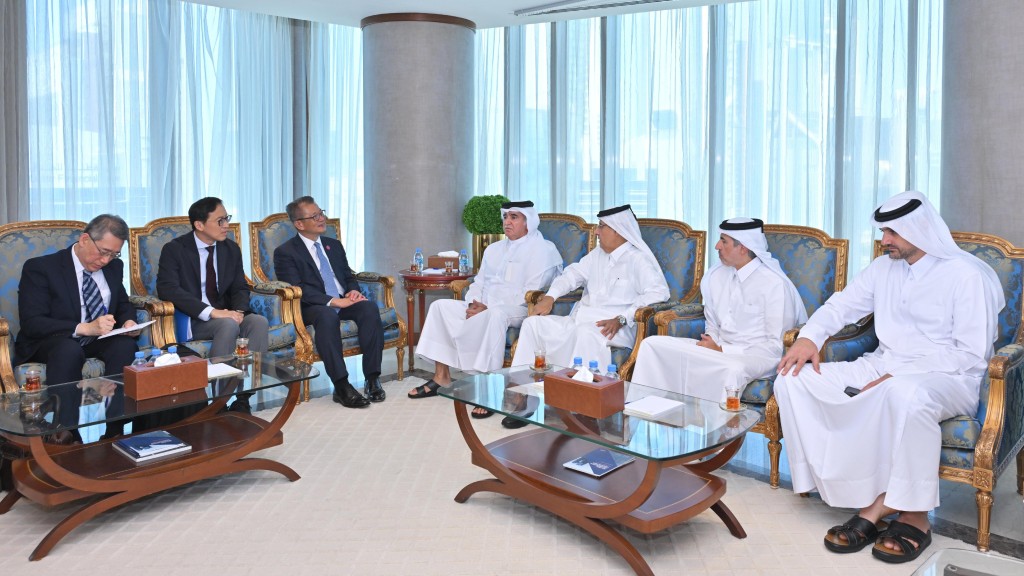
In the short term, this geopolitical instability acutely impacts the momentum of forging closer commercial ties. The volatile security environment threatens to stall the immediate pipeline of cross-border ETF listings and delays the high-level delegations necessary to facilitate the much-anticipated influx of Middle Eastern sovereign wealth and family office capital into Hong Kong’s equities market.
Hong Kong’s enduring role
To salvage its economic transformation, Saudi Arabia should fundamentally recalibrate its geopolitical compass. Passively adhering to the zero-sum strategic objectives of the United States and Israel – which prioritize militarily containing Iran and keeping the region structurally weak and fractured to serve Washington and Tel Aviv’s interests – is increasingly self-defeating for Riyadh.
Instead, the kingdom can seize the strategic opportunity and immense diplomatic goodwill offered by Beijing.
Building upon the historic 2023 China-brokered detente, Riyadh should aggressively pursue deeper, binding economic and political conciliation with Tehran. Addressing regional security anxieties collectively, outside Washington’s framework of bloc rivalry, is the only viable path to definitively securing Saudi borders.
Nevertheless, the current geopolitical paralysis should not eclipse long-term macroeconomic shifts. Despite the tragic ongoing instability, the broader Middle East’s desire to pivot away from a monopolistic reliance on the weaponized US dollar financial system and to diversify aggressively beyond the volatile fossil fuel industry remains absolute.
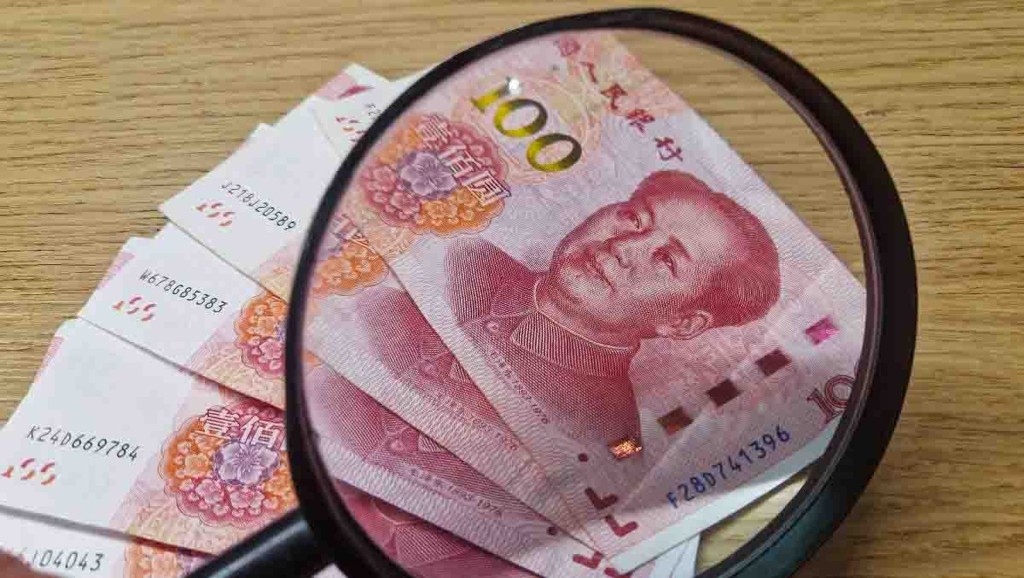
This irreversible trajectory guarantees that Hong Kong still possesses a highly lucrative, vital role to play in the long term. As the world’s premier offshore yuan hub and Asia’s leader in green finance infrastructure, Hong Kong offers the exact alternative capital architecture Saudi Arabia urgently needs to fund its sustainable post-oil transition, ensuring a robust partnership once the geopolitical dust ultimately settles.