China's recent tax recovery campaign, targeting the offshore investment gains of its ultra-high-net-worth individuals, signals a decisive shift in Beijing's macroeconomic management. By enforcing a strict 20 percent levy on global offshore trust profits, authorities are deploying a calculated mechanism to prevent capital flight during a period of intense economic transition. This assertive approach reflects a profound awareness of a growing global phenomenon. As Western governments grapple with mounting sovereign debt crises, widening structural wealth disparities have fueled severe political polarization and social instability across democratic capitals. Recognizing this dangerous trajectory, Beijing views tightening the offshore tax net not just as a revenue tool, but as a political imperative to ensure domestic social stability. Bridging the wealth gap is essential to advancing the objective of "Common Prosperity" and preventing the destructive societal fracturing witnessed in the West.
Macroeconomics for tax enforcement
The rationale driving this tax collection is rooted in stark macroeconomic realities. Following a protracted slump in the domestic property market, regional governments lost their primary revenue engine – land lease sales – which historically financed massive infrastructure spending. Consequently, China's overall tax revenue-to-GDP ratio has trended steadily downward, severely constraining public expenditure capacity.
Simultaneously, to stimulate a slowing economy, national budget deficits have expanded. The broader macro leverage ratio, tracking total debt-to-GDP, has surged dramatically when factoring in the opaque, multi-trillion-dollar liabilities of local government financing vehicles. Capturing historically uncollected offshore tax revenue is therefore an urgent fiscal necessity to stabilize the national balance sheet and stem the outflow of domestic wealth.
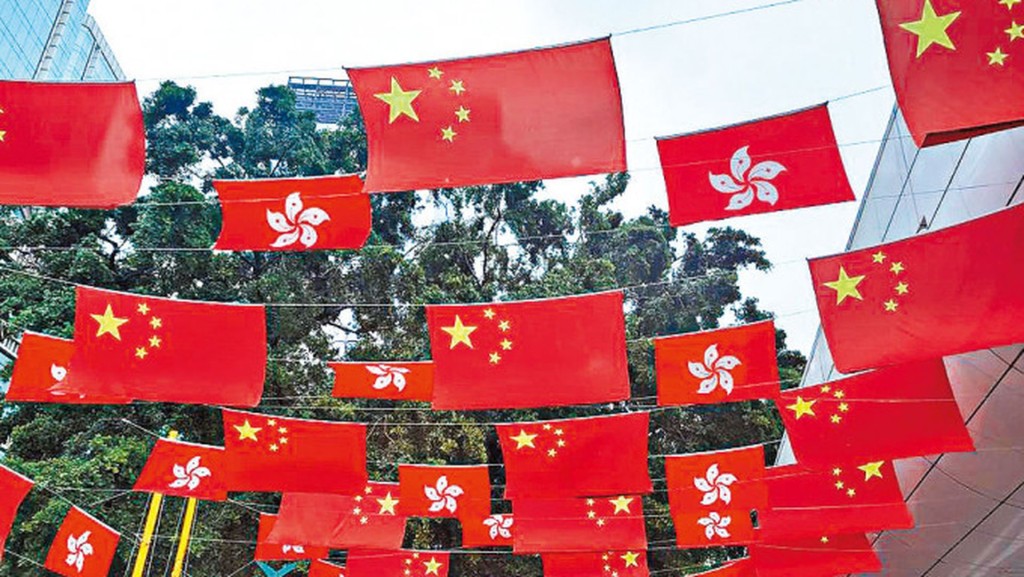
For Hong Kong, the stringent enforcement of these global taxation rules presents a formidable structural headwind. The city's wealth management, insurance, and securities sectors have historically thrived as primary offshore conduits for mainland capital. This regulatory tightening challenges the government's ambitious drive to transform the territory into a premier global hub for family offices. With the local stock market underperforming compared to surging equity markets globally, the sudden vulnerability of mainland Chinese capital threatens to further depress market liquidity, stall IPO pipelines, and squeeze asset management margins.
A catalyst for capital diversification
This paradigm shift provides a strategic imperative for Hong Kong to accelerate its strategic diversification. The era of passively relying on an endless influx of mainland capital is conclusively over. To sustain its competitive edge, the city must actively court traditional markets in the United States and Europe while aggressively unlocking emerging wealth pools across Asean, the Middle East, and Central Asia. By leveraging the Belt and Road framework, Hong Kong can position itself as the undisputed financial bridge for these dynamic growth regions, capturing sovereign wealth seeking alternative investment architectures.
Furthermore, Hong Kong must proactively innovate beyond traditional asset management. Expanding targeted frameworks for Islamic finance and deepening its regulated digital asset ecosystem will attract a broader, globally diverse demographic of elite investors. By transitioning from an offshore safe haven for mainland wealth into a multidirectional global capital nexus, Hong Kong can successfully transform this severe regulatory challenge into a powerful catalyst for long-term financial resilience.