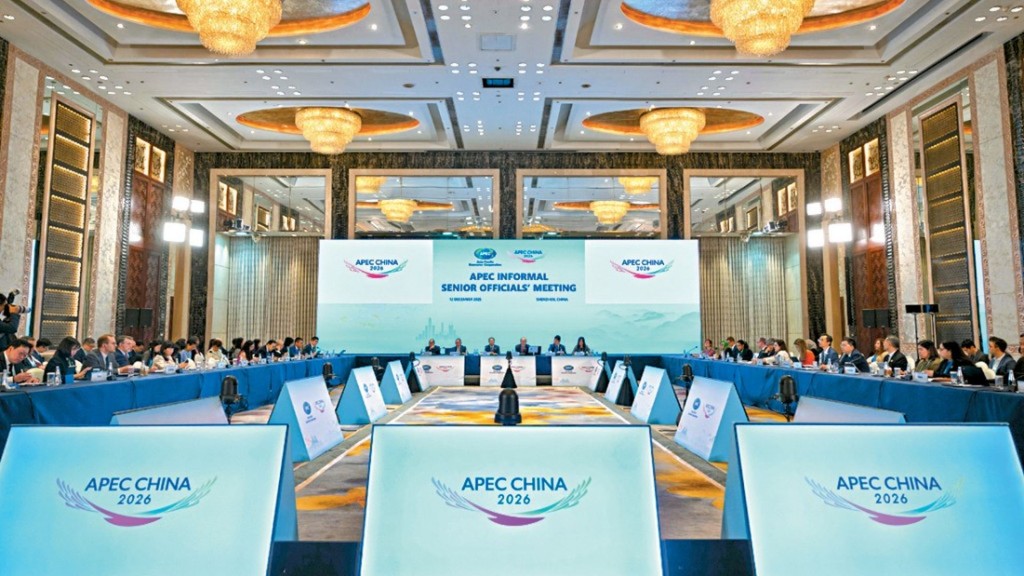
The upcoming Asia-Pacific Economic Cooperation Finance Ministers’ Meeting in Hong Kong next Tuesday and Wednesday represents a critical watershed moment for the city’s post-2020 diplomatic and macroeconomic trajectory.
Marking the first time Hong Kong has ever hosted this specific financial gathering, the event is also the most significant formal convening of sovereign-level officials under an intergovernmental multilateral organization since the enactment of the National Security Law. Against a complex backdrop of unilateral financial sanctions, aggressive extraterritorial measures, and persistent negative political labeling from Western capitals, this multilateral summit offers Hong Kong a rare, unmediated platform to definitively reclaim its global narrative.
Reclaiming global financial narrative
Hosting finance ministers and central bankers from economies that collectively represent nearly half of global trade and over 60 percent of world GDP is an invaluable opportunity for Hong Kong to project its enduring vitality on the world stage.
Rather than engaging in defensive rhetoric against external geopolitical pressures, the government should leverage this gathering to clearly demonstrate its operational reality. By presenting a vibrant urban dynamic, world-class professional services, an uninterrupted common law jurisdiction, and robust free-market mechanisms, Hong Kong can tangibly prove its resilience.
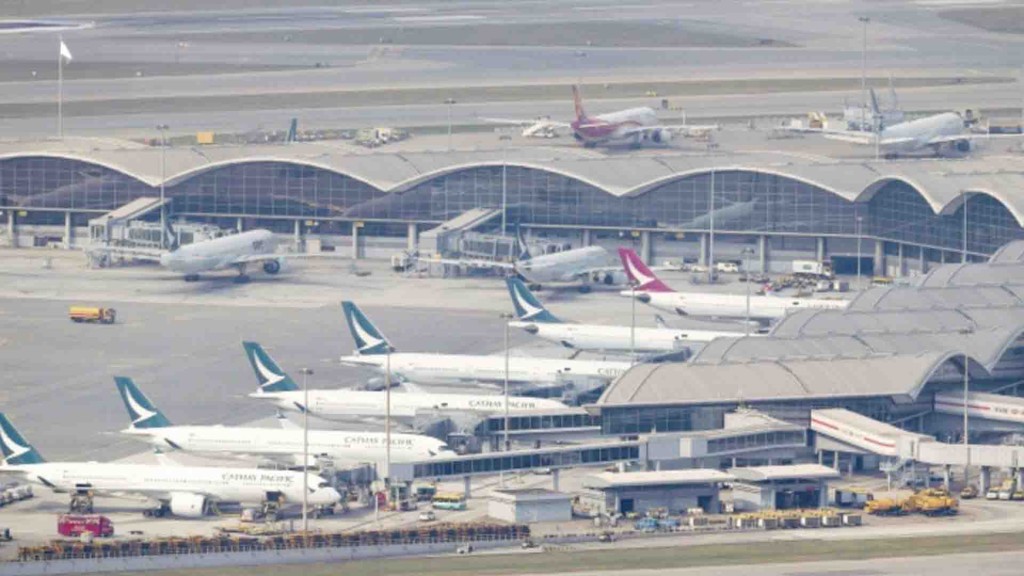
The city remains a premier international financial center, consistently ranking among the top hubs globally while currently managing approximately US$4 trillion (HK$31.2 trillion) in global wealth and asset management business across various asset classes. Allowing international policymakers to directly experience this frictionless flow of capital and high degree of economic freedom is the most effective countermeasure to external skepticism and politically motivated narratives.
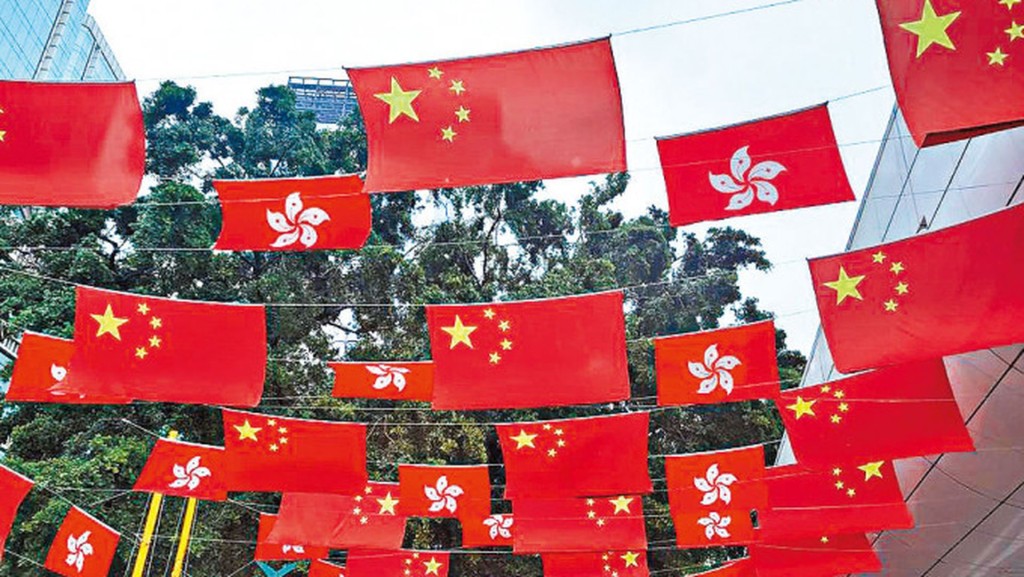
The summit also acutely showcases Hong Kong’s distinct institutional advantage under the “one country, two systems” framework. Operating under the official designation of “Hong Kong, China,” the city possesses the unique constitutional capacity to participate independently in influential international economic organizations like Apec and the World Trade Organization.
This dual identity – firmly anchored within China’s sovereign boundaries yet fully integrated into global multilateral trading platforms – is an irreplaceable strategic asset. As the global trade environment increasingly fragments into protectionist blocs, Hong Kong can actively leverage this distinctive status. It should act not merely as a passive capital gateway, but as a proactive, rule-setting participant in shaping trans-Pacific financial architectures, digital asset regulations, and emerging green finance standards.
Shenzhen and Northern Metropolis synergy
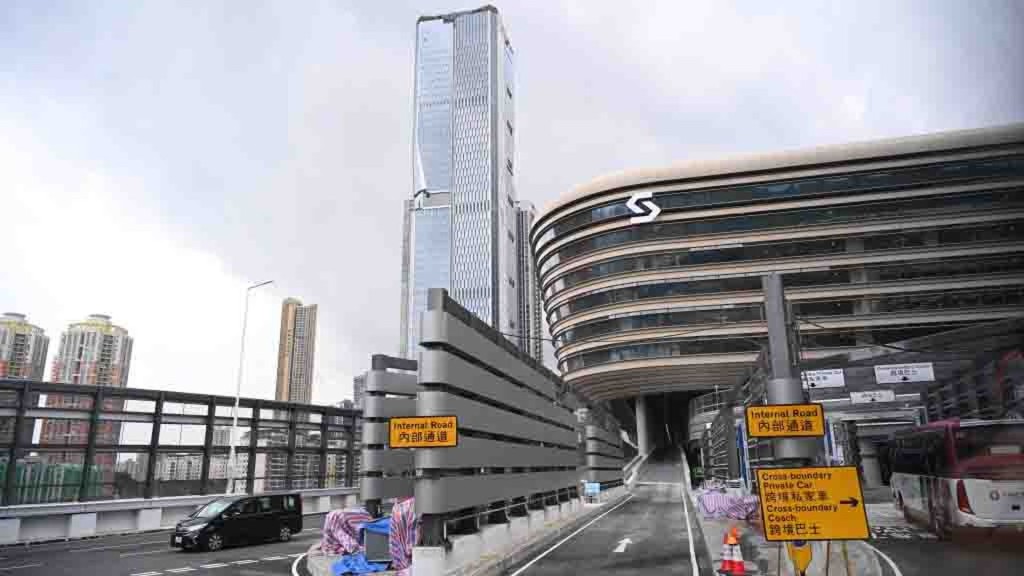
Crucially, this landmark financial summit operates in direct tandem with the primary Apec leaders’ events being hosted in neighboring Shenzhen. This unprecedented dual-city hosting arrangement perfectly illustrates the strategic value of the broader Greater Bay Area macro-economy.
Hong Kong officials should seize this multilateral spotlight to aggressively pitch the massive 30,000-hectare Northern Metropolis mega-development to visiting foreign delegates and institutional investors.
By physically and economically integrating Hong Kong’s deep, internationally regulated capital markets and robust intellectual property protections with Shenzhen’s world-class advanced manufacturing and technological innovation capabilities, the Northern Metropolis can offer global investors an unparalleled regional growth engine. Pitching this cross-border synergy effectively will fundamentally transform international perception. It unequivocally proves that Hong Kong’s integration with the mainland does not dilute its international character, but rather creates a formidable, highly lucrative economic ecosystem that remains indispensable to the 21st-century global economy.