
Read More






Night Recap - October 16, 2026
18 hours ago

Elon Musk unveils Tesla's 'flying' car
21 hours ago

HK unlikely to be hit as Typhoon Champi gathers strength
15-10-2026 17:54 HKT
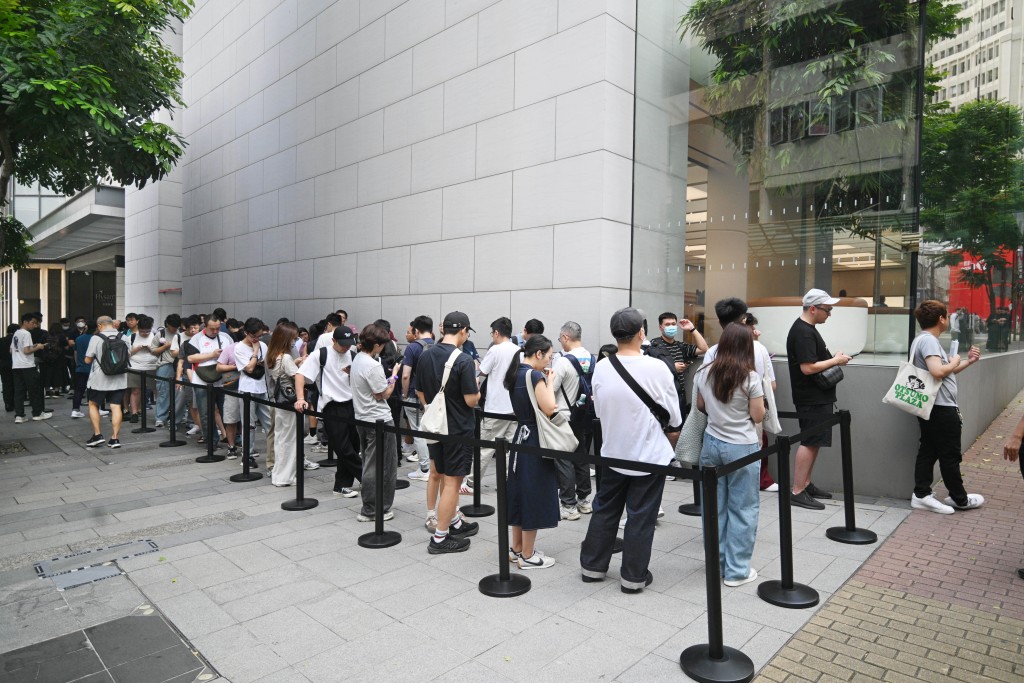
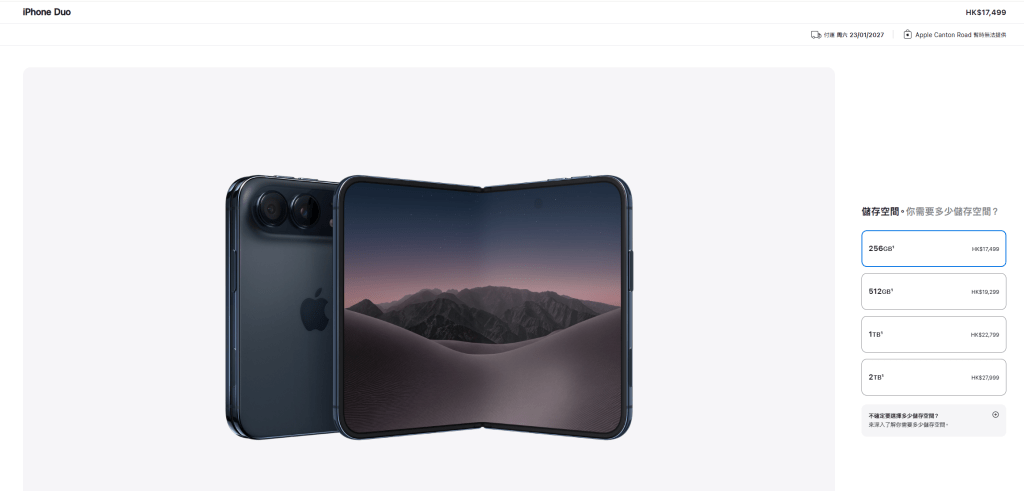
The highly anticipated launch of Apple’s first foldable device, the iPhone Duo, on Friday evening triggered not only a rush of pre-orders from eager tech enthusiasts but also a widespread wave of credit card fraud across Hong Kong.
Multiple reports surfaced on local social media platforms from users who claimed their credit cards were fraudulently charged for premium purchases despite never visiting the Apple Store.
Among the online complaints, some netizens shared screenshots showing their credit cards being charged up to 5 times for HK$34,998 each, which matches the price of 2 high-end 256GB storage versions of the newly released device.
As online panic grew, affected cardholders shared their frustrations about trying to reach emergency customer service lines. One victim stated they were charged at least 4 times and spent over 2 hours on hold with their bank’s hotline without anyone answering.
In response, savvy internet users began sharing tips on how to protect personal finances. Many advised others to proactively turn off card-free or online transaction functions in their banking apps to secure their accounts.
Others pointed out that because Apple only charges cards right before the physical shipment leaves the warehouse, victims who notice unauthorized pending charges should immediately terminate and replace their credit cards to halt the payments.
Addressing the sudden surge in financial scams, Francis Fong Po-kiu, honorary president of the Hong Kong Information Technology Federation, explained that the core issue lies in Apple's transactional security.
In order to ensure a completely seamless and rapid shopping experience for customers during high-traffic launches, Apple’s official checkout system does not mandate the use of 3D Secure (3DS) one-time verification codes.
According to Fong, this security gap allows criminal syndicates holding leaked credit card databases to use automated software to quickly place massive bulk orders for high-value electronic goods that can easily be resold for cash.
He described this process as a game of probability for fraudsters. Even though banks or alert cardholders block or reverse the vast majority of these fraudulent transactions, criminals only need a tiny fraction of the orders to go unnoticed and successfully ship to make a massive profit.
Fong urged the public to protect themselves by ensuring all instant transaction notification alerts are turned on through their banking applications.
He emphasized that the moment a cardholder receives an unauthorized transaction notification, they must immediately contact their card-issuing bank to freeze the credit card and initiate a dispute process to secure a refund.