






Read More



Defying the demographic cliff: restoring hope
06-10-2026 04:56 HKT






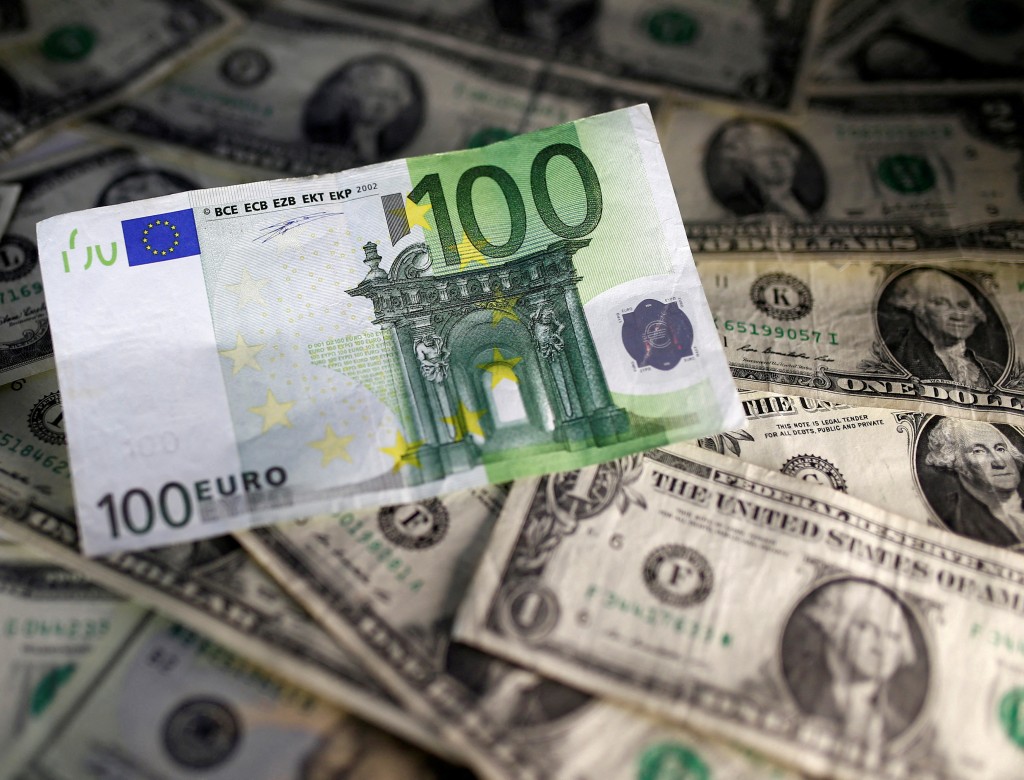
Euro sinks to 17-month low as French fiscal woes spur contagion fears
05-10-2026 14:53 HKT


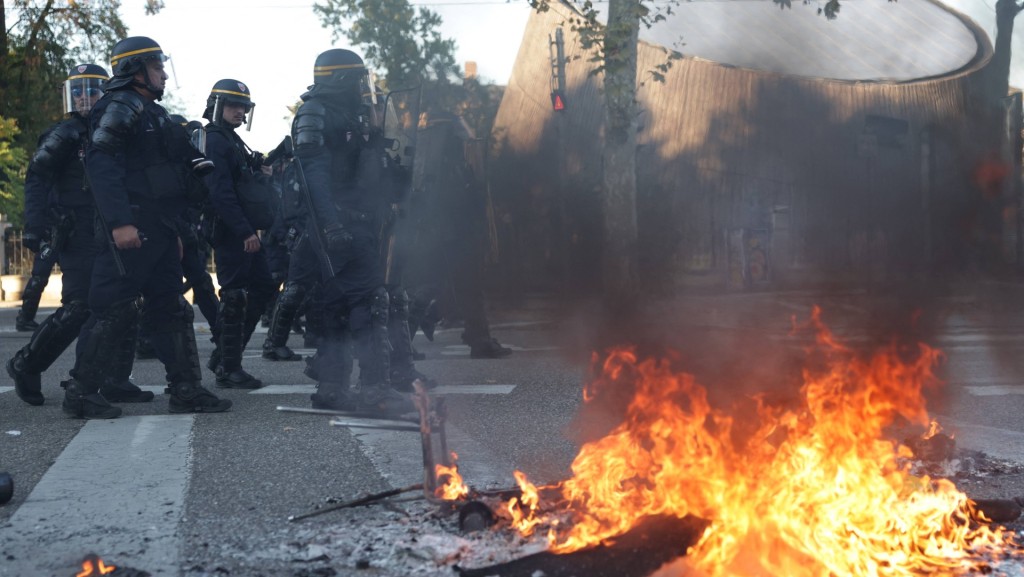
The streets of Paris and major French cities are once again engulfed in turmoil, featuring visual and demographic parallels strikingly resembling the social unrest that paralyzed Hong Kong in 2019. The sheer scale of France's latest wave of student protests is staggering: over 5,000 individuals have been arrested, with an alarming 87 percent officially identified as underage minors. This is not merely a transient outburst of youthful rebellion. It is the explosive culmination of deep-seated systemic failures, driven by a severely crumbling public education infrastructure, deteriorating campus facilities, and a profound lack of support for educators. Beneath these barricades lies a fractured European society buckling under the immense weight of political dysfunction and an unsustainable socio-economic model.
France's educational decay is a symptom of a much broader macroeconomic pathology. The nation is staring down a looming sovereign debt crisis, exacerbated by soaring borrowing costs and a structural budget deficit consistently breaching the European Union's limits. France possesses an expansive social welfare system that has become increasingly unsustainable, with public spending consuming roughly 58 percent of its GDP – among the highest in the developed world – while national debt hovers around 112 percent. To appease bond markets, President Emmanuel Macron's centrist administration has pushed through deeply unpopular structural reforms, including raising the retirement age and tightening unemployment benefits, alongside controversial corporate tax cuts. For the French youth and working class, Macron has fundamentally failed to deliver promised upward mobility. Instead, young people are saddled with precarious employment contracts and decaying public services, fueling intense grassroots resentment.
Bridging this wealth disparity is only part of the challenge; France urgently needs to execute comprehensive economic restructuring because the Fourth Industrial Revolution is already here. With the global artificial intelligence race intensifying and the influx of highly competitive Chinese high-tech exports – such as electric vehicles – threatening to trigger a broader deindustrialization of Europe, France's rapid modernization is an existential imperative. Unfortunately, the French state is being ground down in a paralyzing political deadlock. Deeply polarized between a mobilized left demanding sweeping wealth taxation and a resurgent right capitalizing on societal anxieties over immigration, this ideological warfare is completely derailing the critical industrial reforms required to keep the nation globally competitive.
For Hong Kong, the ongoing French crisis serves as a stark, real-time cautionary tale. To successfully execute its own structural transition – guided by the strategic roadmap outlined in the city's inaugural Five-Year Plan – Hong Kong must proactively prevent the kind of extreme political polarization currently fracturing France. This requires diligently mitigating societal divides along two critical axes: the economic gap between the rich and the poor, and the identity-driven frictions between local Hongkongers and incoming mainlanders. Left unaddressed, these fault lines can easily replicate the destructive ideological gridlock grinding Paris to a halt.
Hong Kong must balance prudent fiscal discipline with unwavering investment in basic public infrastructure and youth empowerment. Effective governance demands ensuring the Five-Year Plan's economic transition creates tangible opportunities rather than producing new marginalized underclasses. By resolving core livelihood issues, Hong Kong can definitively avoid the explosive generational disenfranchisement currently crippling France.