
Read More







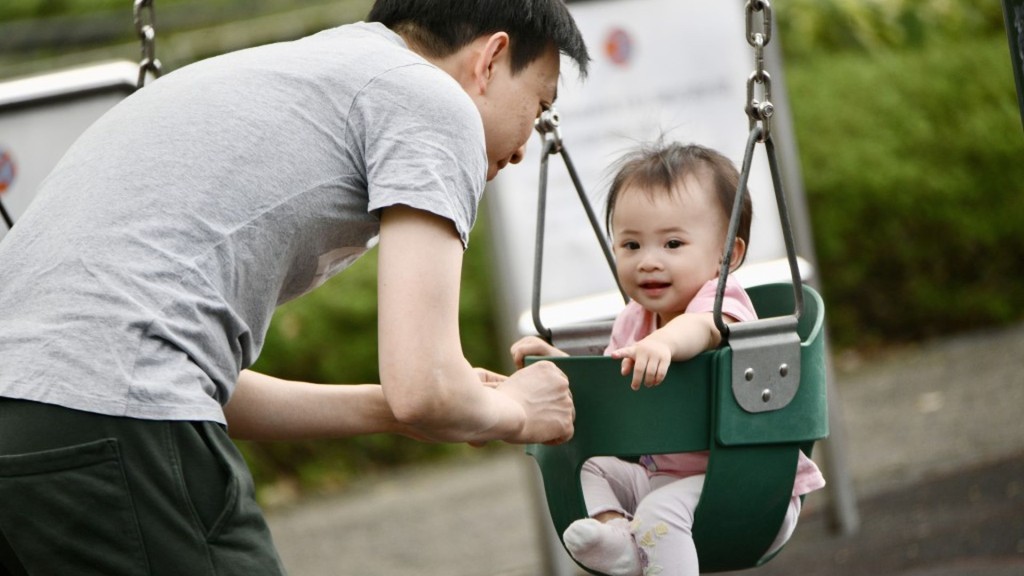
The Hong Kong government's 2026 Policy Address and the city's inaugural Five-Year Plan correctly identify demographic decline as a critical threat to long-term competitiveness. In a determined bid to stop the city's total fertility rate from falling off a cliff, authorities recently rolled out 11 new targeted measures to boost childbirth.
These include progressive child allowance systems, enhanced tax deductions, and making the after-school care program permanent from the 2027/28 school year. While these incentives represent a sincere administrative effort to build a pro-childbearing environment, reversing a historic demographic slump requires diagnosing and rigorously treating the deeper structural pathologies beneath the surface.
The hesitation among Hong Kong couples to start families is rarely a rejection of parenthood itself; rather, it is a rational economic response to an unforgiving socio-economic environment. At the core is the city's notorious housing crisis. Raising a child in a cramped micro-apartment remains a daunting prospect that cash incentives alone cannot offset.
Compounding this spatial deficit is the immense psychological toll of a hyper-competitive capitalist system. Parents face astronomical costs driven by relentless educational "involution," deeply anxious that their children will be squeezed and crushed by ruthless social stratification.
Coupled with a pervasive, unregulated long-working-hours culture, young professionals are structurally exhausted. When residents are trapped in a grueling daily struggle merely for economic "survival," childbearing naturally plummets down their priority list.
To genuinely transform Hong Kong into a family-friendly city, policymakers must move beyond transactional financial handouts and fundamentally restore a sense of hope. Young families need a visible, reliable social ladder to believe their children can achieve a healthy and better life, not just endure a lifelong socio-economic grind.
First, housing policy must shift from providing mere shelter to building authentic homes. The government should mandate larger minimum flat sizes in private developments and public estates, specifically designing family-friendly spatial layouts that comfortably accommodate growing children.
Second, authorities must aggressively expand affordable, round-the-clock childcare infrastructure. While making after-school care permanent is a commendable step, working parents urgently need universally subsidized infant care services in every district, to relieve the immense caregiving burden on young dual-income households and aging grandparents.
Third, the workplace and education systems require decisive intervention. Expanding statutory parental leave and incentivizing flexible, family-friendly corporate practices are essential to alleviate parental burnout. Concurrently, the education system must be reformed to prioritize holistic student development over grueling, high-stakes testing, directly reducing the financial and emotional burdens that crush modern families.
Ultimately, reversing demographic decline demands a holistic paradigm shift across the labor market, education sector, and housing landscape. The government must actively dismantle the structural anxieties of modern urban living, ensuring that growing up in Hong Kong is no longer a pure survival test. Only by offering a tangible promise of upward mobility, equitable working conditions, and holistic well-being can the city give young couples the profound confidence required to bring a new generation into the world.