
Read More
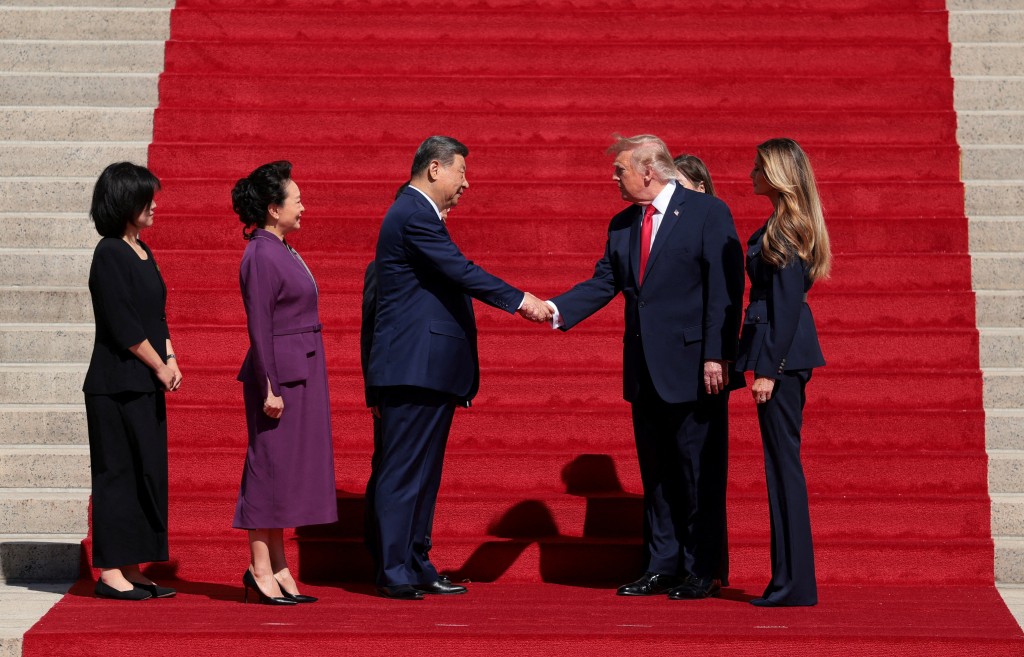
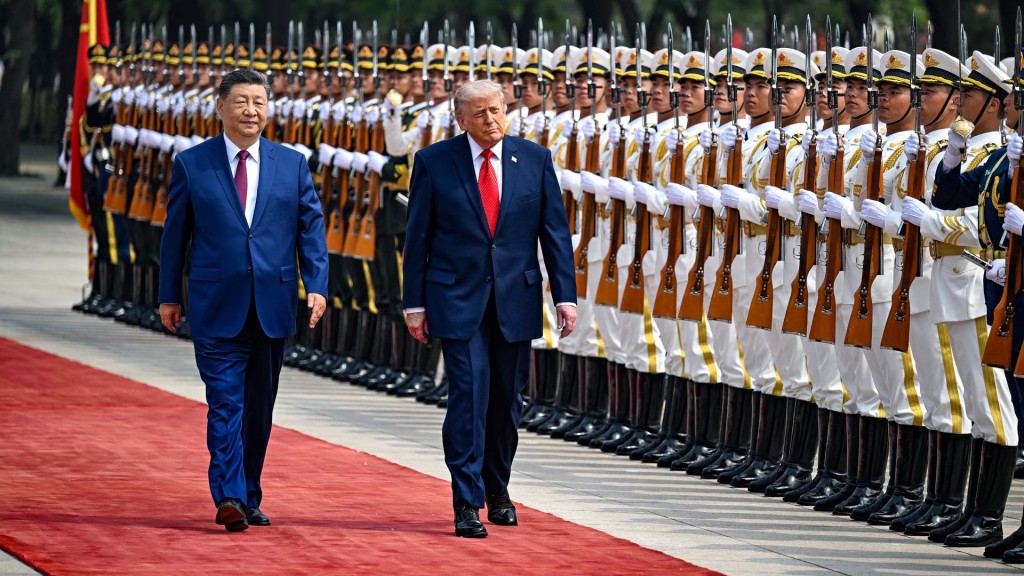
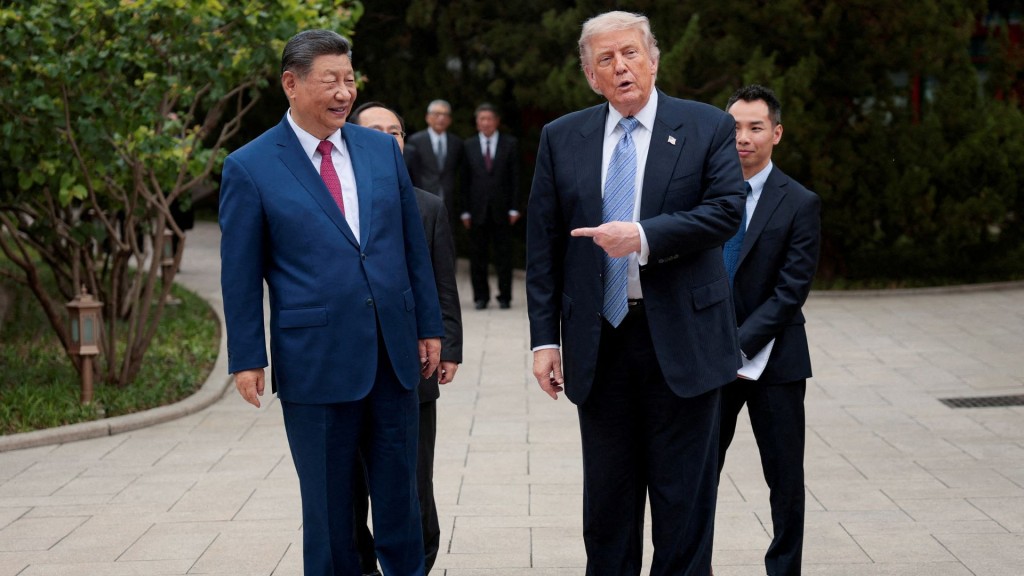
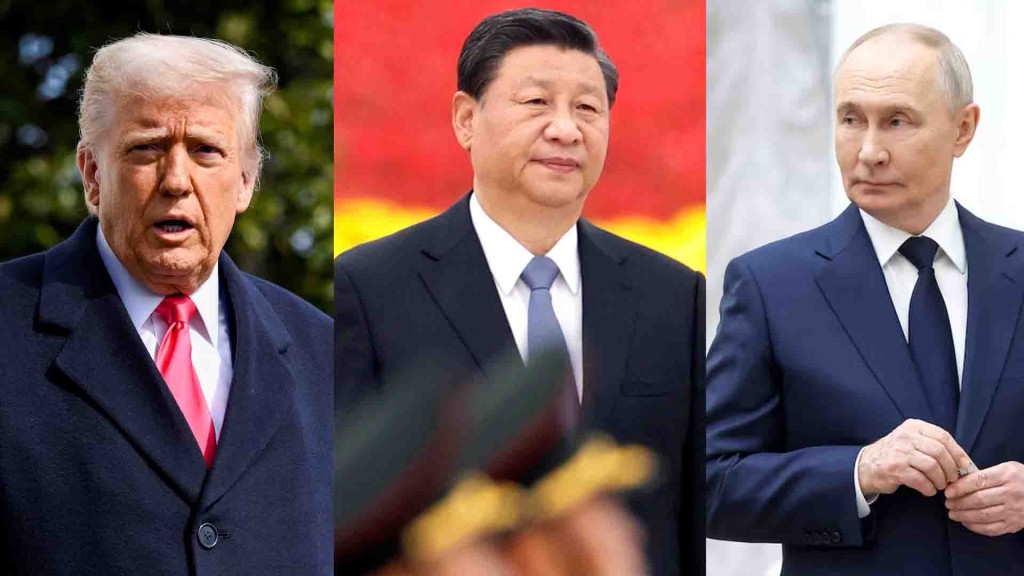
Russian President Vladimir Putin's latest remarks floating a trilateral summit with President Xi Jinping and President Donald Trump at the upcoming Asia-Pacific Economic Cooperation forum in Shenzhen have reignited intense diplomatic speculation. If realized, convening the world's three most powerful leaders would deliver an extraordinary demonstration of optical power. While Beijing maintains a deliberate public silence—consistent with its doctrinal rejection of exclusionary "great power politics"—the sheer geopolitical gravity of such a gathering presents a compelling opening that cannot be casually dismissed. The visual imagery alone of these three leaders standing together would offer a striking testament to the recalibrated global balance of power.
ADVERTISEMENT
SCROLL TO CONTINUE WITH CONTENT
Russia's push to break isolation
The recent series of Xi-Trump summits has effectively consolidated a de facto "G2" dynamic, cementing the global perception that Beijing and Washington navigate systemic friction on a unique, peer-level plane. For Moscow, joining this exclusive format would immediately elevate its international stature, offering a visible mechanism to definitively shatter years of sustained Western diplomatic isolation. Conversely, the prospect of a Xi-Putin-Trump tripartite would send acute shockwaves across America's global alliance network. In Europe, it would generate intense psychological pressure, sparking deep anxieties over continental security architectures being bypassed by top-down great power arrangements. In Asia, the optics would severely hammer Tokyo's strategic confidence, evoking fears of a modern "Nixon Shock" and leaving Japan feeling acutely exposed to unpredictable realignments among its most formidable neighbors.
China as indispensable center of power
Crucially, hosting such a triumvirate could hold immense strategic value for China, provided Beijing rigorously avoids the trap of a Yalta-style geopolitical condominium. As long as China steers clear of endorsing any great-power division of global spheres—a move that would alienate the Global South and middle powers—serving as the confident broker in Shenzhen allows Beijing to project itself indisputably as the central anchor of world power. Presenting China not as a combatant in bloc confrontation, but as the indispensable diplomatic architect capable of bringing Washington and Moscow to the negotiating table, powerfully validates its global governance credentials. It substantively reinforces China's status as a responsible, stabilizing mediator in a fractured world order, maximizing its strategic leverage without compromising its diplomatic principles.
To be sure, no serious geopolitical observer expects a single trilateral summit to instantly resolve entrenched quagmires like the devastating conflicts in Ukraine, or to magically revitalize stalled nuclear arms control frameworks. Those structural disputes remain too rigidly complex for immediate top-level breakthroughs between Washington and Moscow. Yet, discounting the summit simply because it lacks immediate panaceas may overlook the intrinsic utility of high-level statecraft. Establishing a working understanding of each other's core security red lines—or even projecting the credible appearance of mutual strategic consultation—is inherently conducive to dampening escalation, preventing catastrophic miscalculation, and anchoring global strategic stability. Furthermore, if they can forge practical trilateral understandings on stabilizing global energy security and shielding critical supply chains, it would offer the world tangible economic dividends. In a dangerously polarized international landscape fraught with systemic risks, a Shenzhen tripartite summit may not be a bad idea after all.