Read More

Defying the demographic cliff: restoring hope
06-10-2026 04:56 HKT

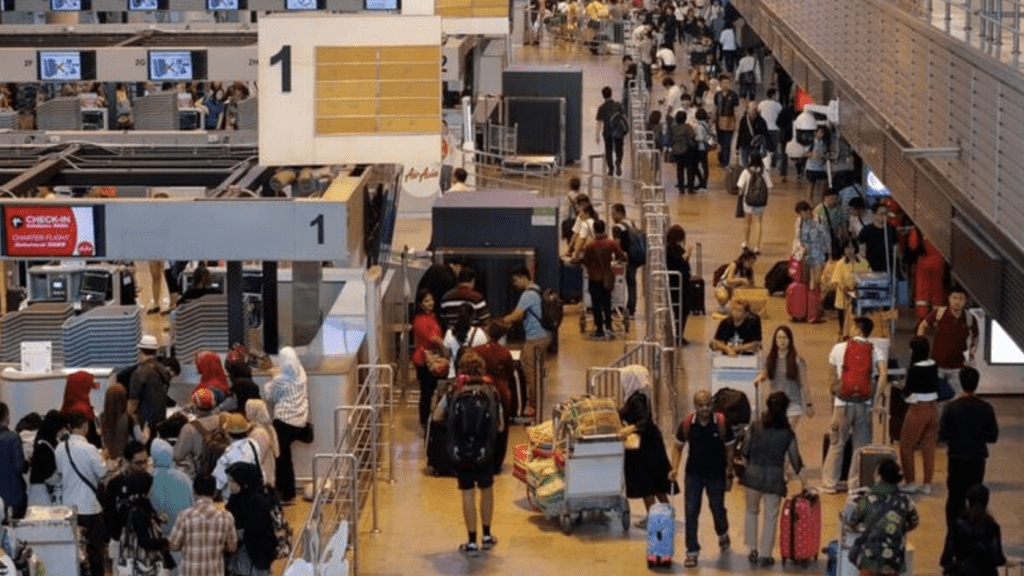
Thailand plans entry and exit fees totalling $338 for air travellers
09-10-2026 03:37 HKT
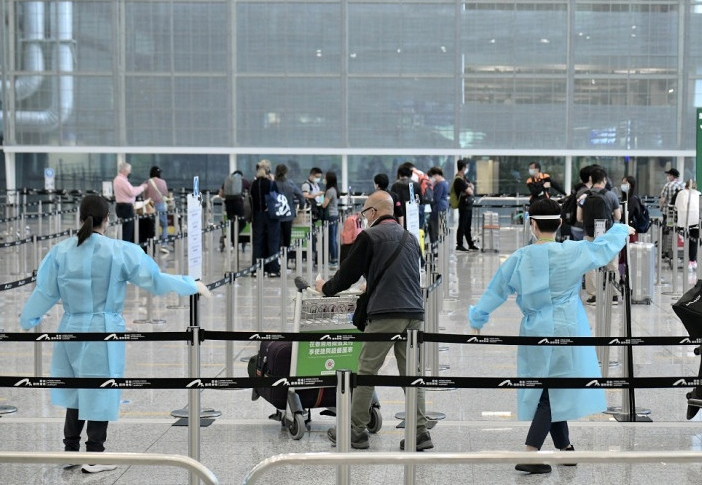
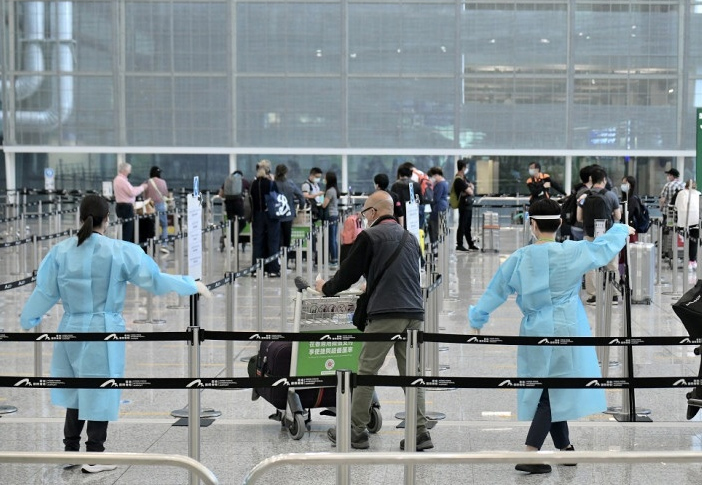
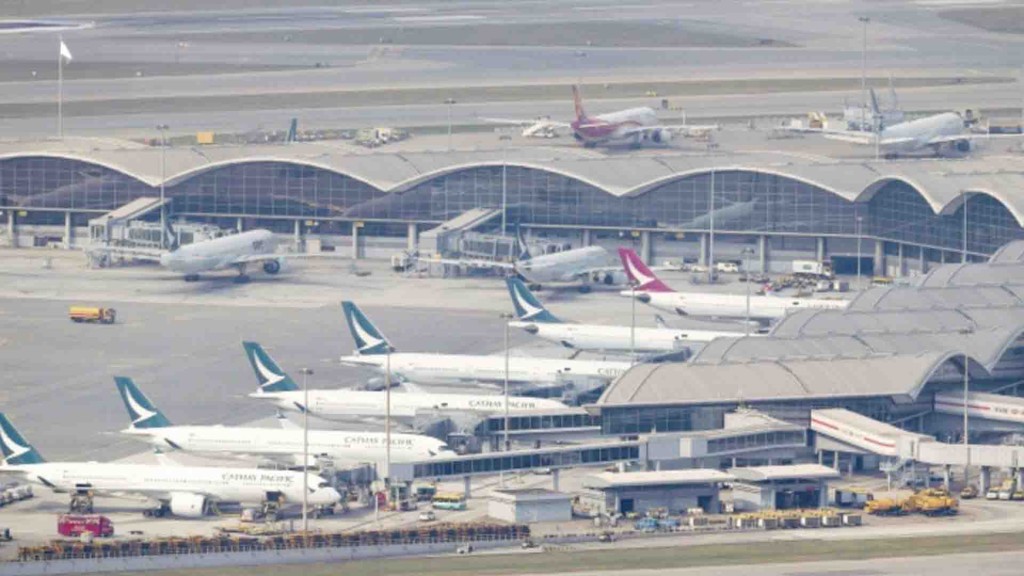
It is the right move to halt the pandemic-related flight suspension mechanism that bans airlines from flying affected routes into Hong Kong for a certain period if some passengers test positive to Covid upon arrival.
The government finally admitted yesterday that the policy was not effective and agreed to put it on hold. Bans already in force were also withdrawn.
The decision is long overdue. Although the government spokesman said they were suspending it to facilitate Hong Kong students returning from overseas during the summer holidays, the "not very effective" policy should be shelved for good.
Among its peers, Hong Kong is probably the only major international financial center to maintain such a damaging restriction.
The circuit-breaker policy was introduced by the previous administration.
Airlines were banned from flying certain routes to Hong Kong for a fixed period for flying a handful of infected passengers into the SAR on those routes.
The length of the ban was shortened to five days during the last review by the previous administration.
At the end of his first week in office, Chief Executive John Lee Ka-chiu took it further to suspend the policy, also withdrawing bans that were still underway.
His administration was not the first body to declare that the policy had no effect in preempting local outbreaks.
The truth is in the numbers. For example, of the 3,000-plus new infections reported yesterday, 172 were imported, which accounted for less than 6 percent of the new cases.
While the circuit-breaker policy has been of little effect in preventing local outbreaks, it caused immense uncertainty for both passengers and airlines.
If it remained in place, airlines would have continued to be reluctant to fly to Hong Kong not knowing when they would be asked to stop flying those routes. Worse still, they would have been forced to deal with a large number of stranded passengers. Travelers would also have continued to face the uncertainty of unwarned flight cancelations and additional expenses in rebooking quarantine hotels in Hong Kong.
The policy - as well as other quarantine requirements, including lengthy stay in a quarantine hotel and demands for a number of forms and testing requirements before boarding flights - have increasingly isolated Hong Kong from the rest of the world.
It is hoped that the stepping down of the unpopular and ineffective flight circuit-breaker is just the beginning of a series of steps that newly installed Health Secretary Lo Chung-mau will take to pave way for life to return to normal.
The government spokesman who made the announcement in respect of the circuit-breaker change said arrivals would be required to take an extra PCR test on their third day of quarantine.
Currently, the SAR still demands that international arrivals stay in designated hotels for seven days' quarantine.
With an additional PCR test demanded on the third day, does it mean that the administration is prepared to shorten the seven-day quarantine period to three days if the PCR test on the third day gives a negative result?
Fingers crossed that will be the case.