
Read More
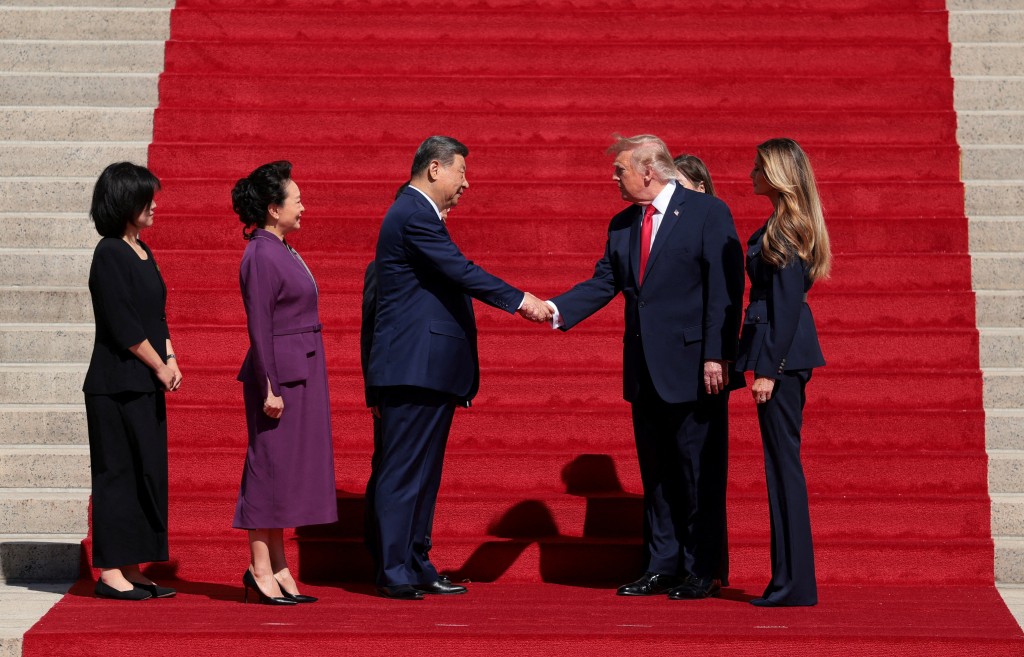
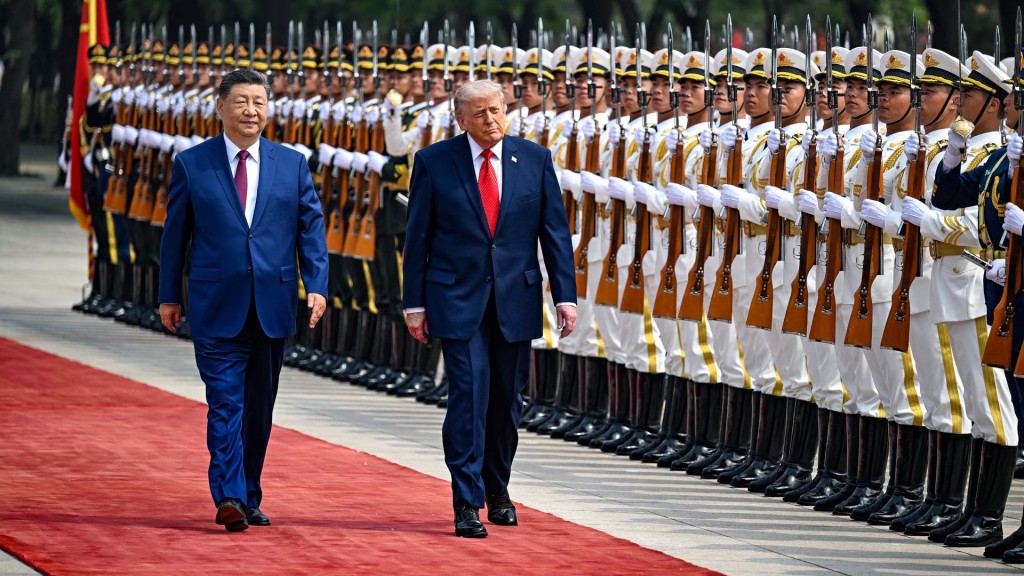
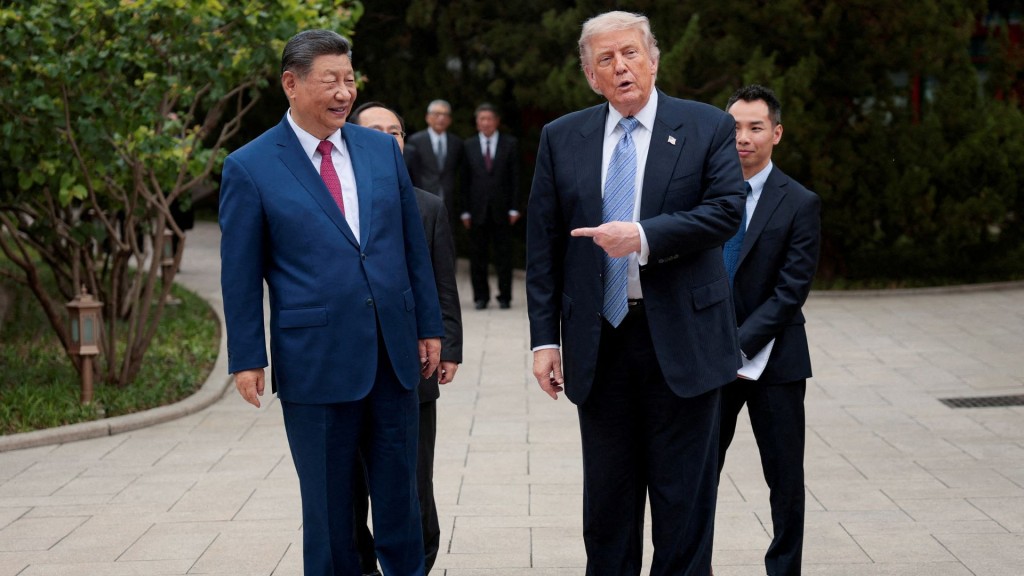
As the People’s Republic of China marks its 77th anniversary, the nation reflects on a foundational ethos forged from the ashes of foreign aggression and decades of internal poverty and conflict: the relentless pursuit of a prosperous, sovereign, and strong state. Today, this historic pursuit unfolds against a profoundly complex geopolitical backdrop. However, the recently concluded summit between Chinese President Xi Jinping and US President Donald Trump has provided crucial tactical breathing room, reaffirming a baseline of "constructive strategic stability." This diplomatic detente offers a vital window for Beijing to consolidate its internal strength as the global order rapidly reshapes.
ADVERTISEMENT
SCROLL TO CONTINUE WITH CONTENT
This anniversary coincides with the strategic rollout of the 15th Five-Year Plan, providing a definitive blueprint for navigating the AI-driven Fourth Industrial Revolution. As Western capitals sustain long-term decoupling efforts and stringent tech curbs, China’s industrial restructuring has become an existential imperative. The current framework lays a robust foundation for achieving technological self-reliance, restructuring critical supply chains, and deepening the "dual circulation" economic paradigm. By reorienting toward its vast internal market, the nation aims to insulate its broader development from external volatilities while fiercely driving indigenous innovation.
Empowering the people
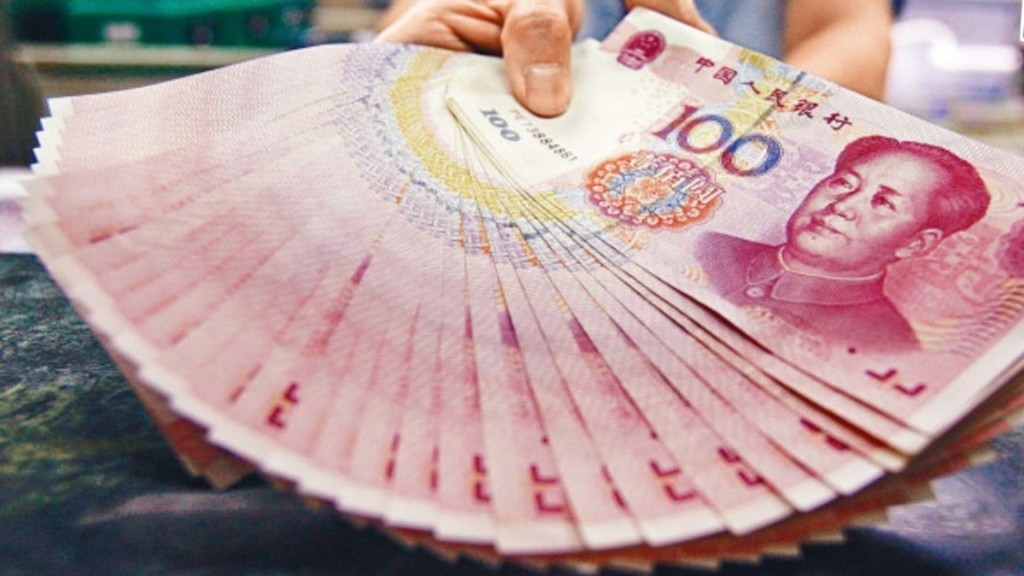
However, the ultimate success of this macroeconomic transition depends on improving the lived realities of ordinary citizens. For decades, the national growth model relied heavily on state-led investment, generating a persistent structural imbalance characterized by "strong production, weak consumption." To genuinely unleash the immense potential of domestic circulation, the overarching policy goal must be to make not only the country rich, but also the people rich. This requires decisively increasing the proportion of resident disposable income within the national income and raising labor remuneration in the primary distribution of wealth.
Furthermore, creating a robust social safety net is essential to combat the destructive societal friction of "involution," where workers compete furiously for diminishing returns. Expanding comprehensive welfare provision – spanning accessible healthcare, affordable public housing, and subsidized childcare – will alleviate the crushing financial anxieties driving precautionary savings. This socio-economic security is also a vital catalyst to boost the country’s flagging birth rate, finally giving young working families the financial confidence to grow.
Safeguarding security
Concurrently, comprehensive national security remains the absolute prerequisite for sustainable development. China is visibly on track with its military modernization, a process fundamentally fortified by uncompromising campaigns to eradicate corruption at the highest echelons of the armed forces. Yet, safeguarding the nation today extends far beyond traditional defense. The recent devastating Tibet-Nepal border landslides serve as a tragic, stark reminder of an intensifying global climate crisis. Amid compounding geopolitical threats, resource scarcity, and extreme weather incidents, Beijing must elevate its strategic focus on safeguarding food, energy, and climate security to protect the public from cascading systemic shocks.
As the republic celebrates its 77th anniversary, it stands at a pivotal developmental juncture. The path forward demands balancing external diplomatic agility with uncompromising internal socioeconomic reform. By prioritizing technological sovereignty, expanding the social safety net to enrich the populace, and fortifying comprehensive security across all fronts, China can forge a modernized state that is internationally formidable and deeply anchored in the enduring well-being of its people.