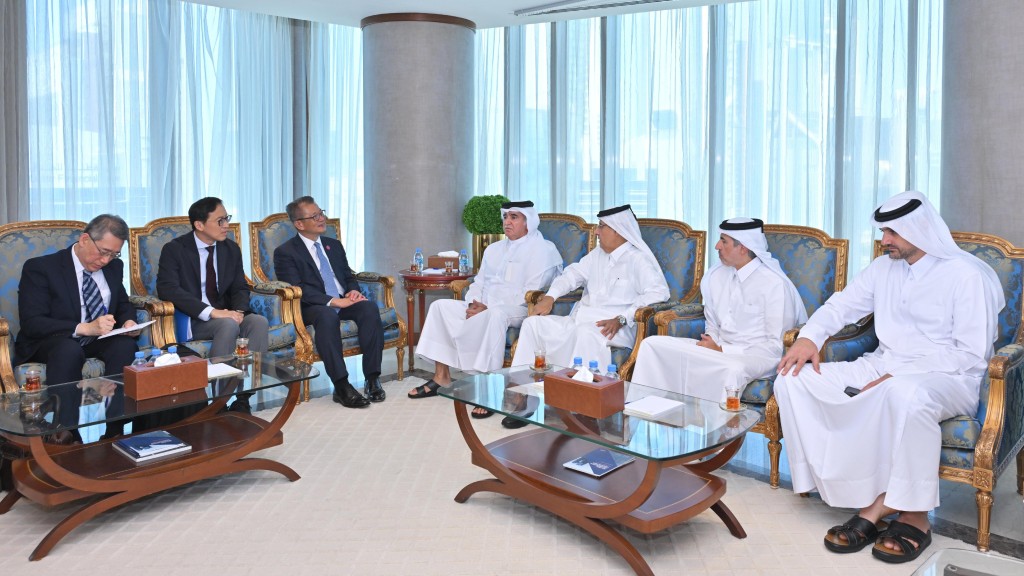
Financial Secretary Paul Chan Mo-po embarking on his official visit to Doha this past Sunday underscores a strategic maturation in Hong Kong’s economic diplomacy. In response to a structural slowdown in Western capital flows, frequent high-level missions to the Gulf Cooperation Council have evolved into a normalized policy strategy.
Crucially, this engagement is no longer about chasing traditional resource revenue; it addresses an urgent structural imperative. For Gulf states, moving away from a volatile fossil-fuel sector that is continually held hostage by regional geopolitical turmoil and chokepoint vulnerabilities is an existential priority. Hong Kong is positioning itself as the indispensable conduit for the green financing, technological innovation, and asset management needed to power this transition, providing the city with a resilient "second engine" of long-term liquidity.
Bridging post-hydrocarbon transformation
For economies pursuing ambitious blueprints like Qatar National Vision 2030, energy diversification is urgent. Hydrocarbon dependency leaves state revenues perpetually exposed to external conflicts, supply-chain interruptions, and shifting demand curves. In response, sovereign allocators are actively channeling capital toward clean tech, sustainable infrastructure, and industrial modernization.
Hong Kong offers the ideal ecosystem to support this pivot. As Asia’s leading green and sustainable finance hub, the city possesses the capital depth to structure international green bonds, climate transition funds, and sustainability-linked financing. In Doha, Chan pitched Hong Kong as a vital functional platform under the Belt and Road Initiative, capable of integrating cross-border trade, infrastructure engineering, and common-law professional services.
Central to Chan’s discussions was the Greater Bay Area and the flagship Northern Metropolis project. Highlighting the territory’s “South Finance, North I&T” development blueprint, Chan explicitly invited Qatari conglomerates and sovereign institutions to take a direct stake in Northern Metropolis innovation parks. By partnering in advanced fields such as smart-grid technology, new materials, and renewable systems, Gulf investors can translate their diversification capital into tangible commercial applications.
Capital inflow amid shifting global core
This diplomatic outreach is reinforced by tangible capital market infrastructure. On September 28, the Hong Kong Exchanges and Clearing welcomed a new tranche of exchange-traded fund listings. For Gulf investors, these products provide direct operational value. Rather than enduring cumbersome direct-investment hurdles, Gulf sovereign and institutional funds gain instant, transparent, and liquid exposure to Asia’s most dynamic high-growth sectors, from green mobility to advanced hardware. This enables Middle Eastern allocators to balance their balance sheets, hedging against commodity price shocks by holding high-yield, innovation-driven Asian assets.
Operational risks certainly linger. Recent reports of extending commercial flight suspensions and reroutings across Gulf air corridors – precipitated by sharp regional security flare-ups – serve as a reminder of operational friction that can temporarily dampen investor sentiment.
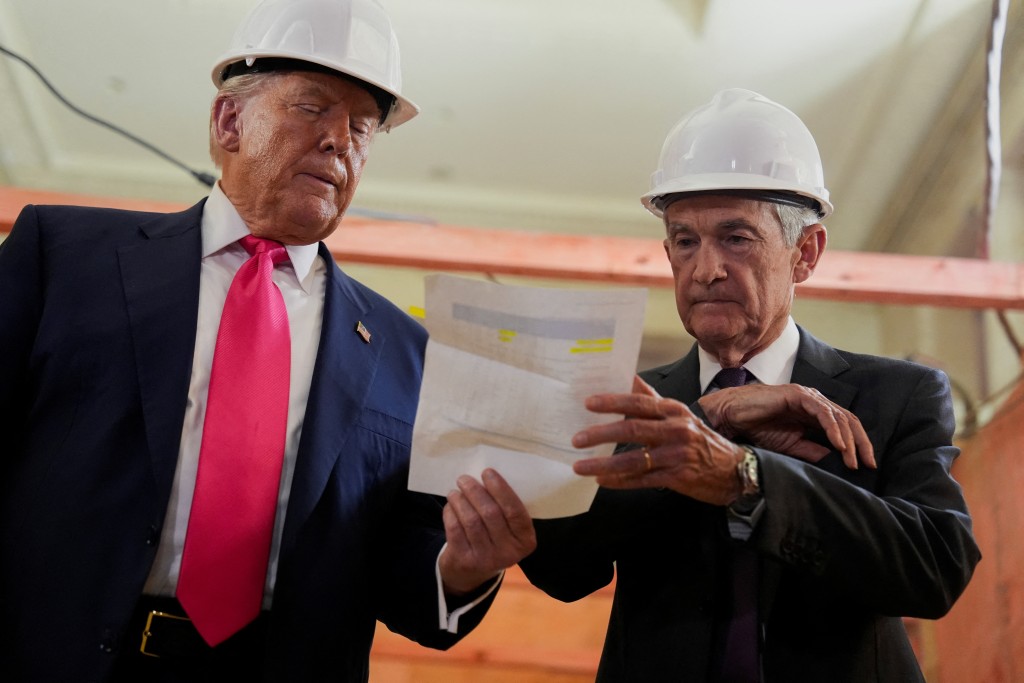
Yet, these frictions ultimately reinforce the rationale behind the “Look East” paradigm. Sovereign capital is realigning with the historic shift of the global economic core to Asia, particularly as persistent political polarization, fiscal uncertainty, and macroeconomic volatility cloud the West. Furthermore, positive diplomatic signaling surrounding the summit between Chinese President Xi Jinping and US President Donald Trump injects welcome predictability into international commerce, easing fears of abrupt systemic shocks. By offering an open, legally secure springboard into Asia’s sustainable development, Hong Kong stands as the natural anchor for Gulf capital seeking longevity beyond fossil fuels.