Read More


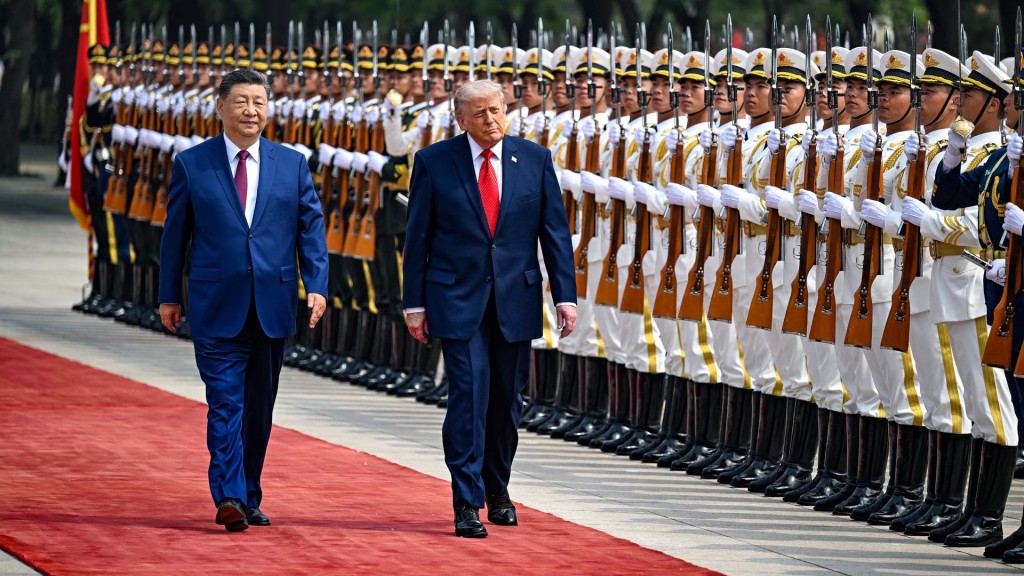
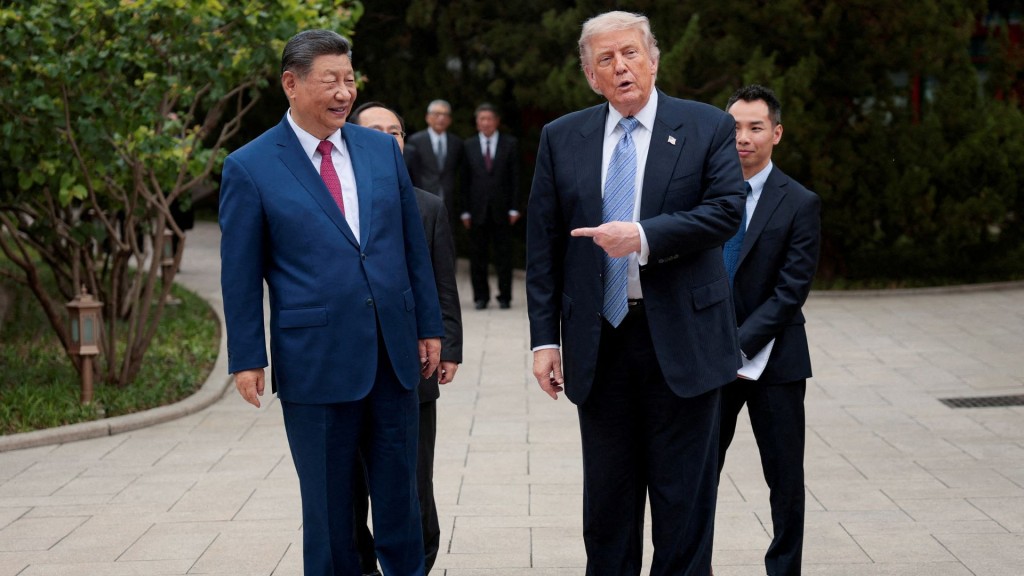

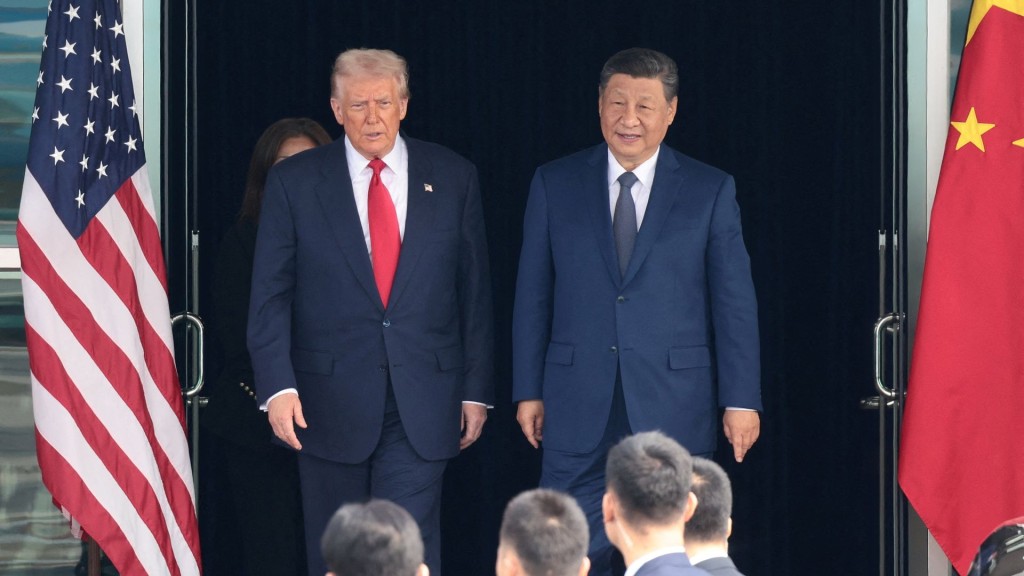


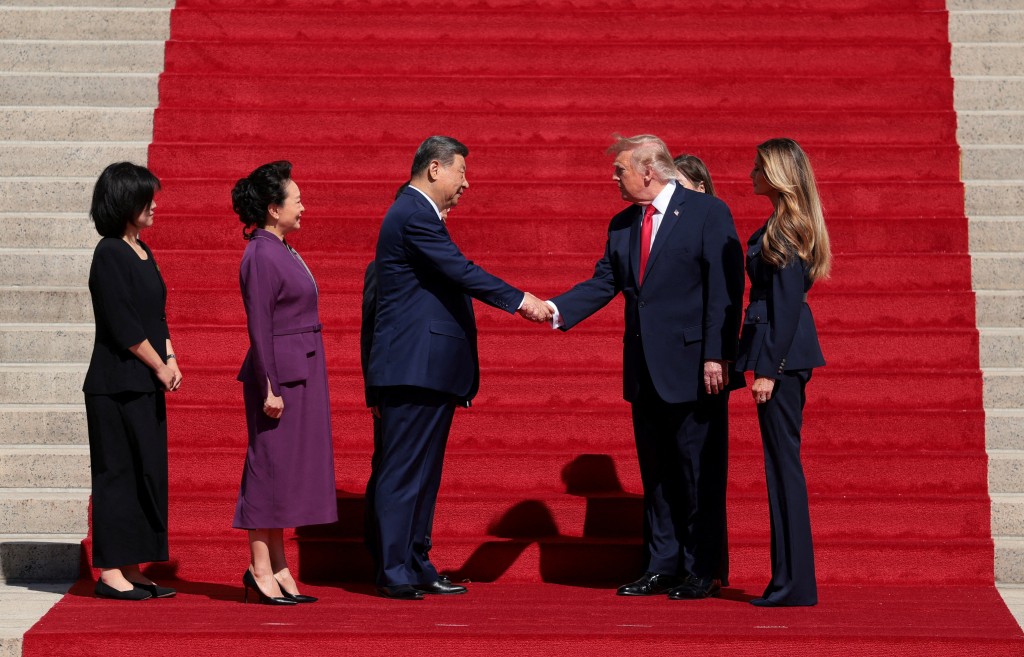
The recently concluded summit between Chinese President Xi Jinping and US President Donald Trump in the United States delivered an unmistakable and welcome signal to the global community: neither superpower seeks a descent into destabilizing confrontation. Amid notable ceremonial warmth and mutual personal respect, both administrations actively projected the engagement as a success, reaffirming their shared commitment to "constructive strategic stability." For Beijing, this deliberate cooling of tensions is genuinely constructive. By establishing a mutual floor beneath bilateral ties, the summit secures an indispensable strategic window of stability, affording China the calm external runway required to drive its new technological revolution, upgrade its manufacturing base, and transform its domestic economy.
Yet, rigorous policy analysis requires distinguishing between atmospheric goodwill and structural breakthroughs. Behind the uplifting diplomatic messaging, tangible commercial deliverables remained strictly bounded. The ambitious bilateral investment framework anticipated by some market observers failed to materialize after Beijing prudently decided against dispatching an accompanying corporate delegation to Washington. Similarly, there was no headline-grabbing commercial breakthrough for American aviation; discussions regarding Boeing aircraft remained strictly confined to advancing the 200-jet framework outlined during Trump’s May visit to Beijing, producing no newly expanded purchase orders or blockbuster contracts.
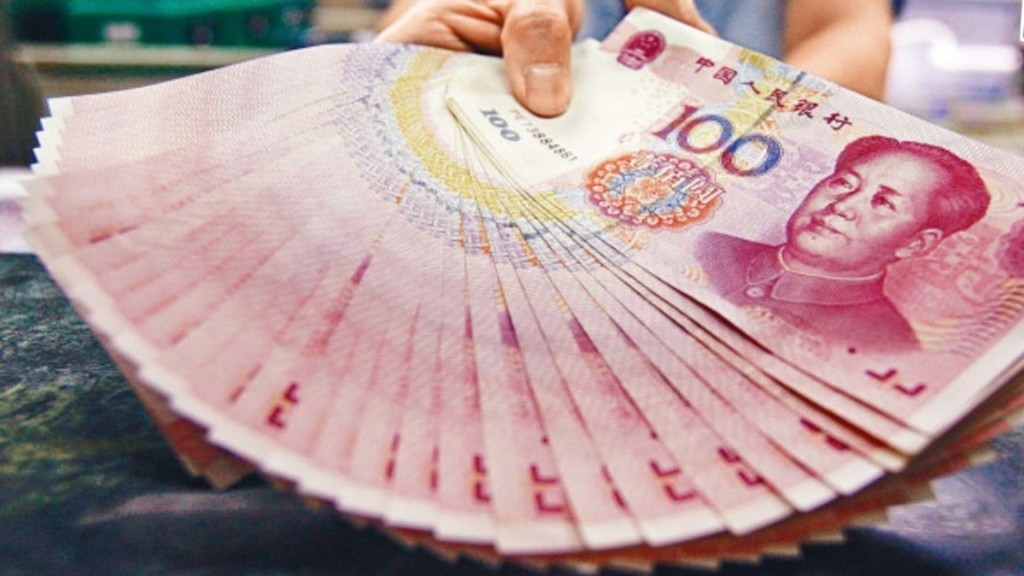
The sole concrete, quantified economic dividend was a targeted, reciprocal US$30 billion (HK$234 billion) tariff relief arrangement on non-sensitive goods. Meanwhile, the broader tariff truce received only a short-term extension. By keeping the moratorium provisional through the immediate post-election horizon, the White House deliberately retains tactical optionality, leaving the door ajar for renewed tariff friction once November’s midterm ballots are counted.
More fundamentally, the summit left the structural core of bilateral competition untouched. Washington demonstrated zero appetite for easing its sweeping export controls on advanced semiconductors, AI compute architecture, or lithography tools. The geopolitical tech divide remains firmly entrenched behind an unyielding bipartisan consensus on Capitol Hill.
Within these competitive parameters, the decision to institutionalize a dedicated China-US dialogue on artificial intelligence safety marks a genuine, commendable step forward. As autonomous algorithms and cyber systems accelerate, unchecked deployment threatens mutual catastrophic miscalculation.
Both powers should seize this temporary window of detente to translate dialogue into verifiable technical guardrails, common safety standards, and emergency de-confliction channels. However, achieving substantive regulatory convergence across competing technological spheres remains a formidable task whose real-world efficacy is yet to be proven.
Ultimately, while the diplomatic thaw affords Beijing valuable breathing room, history cautions against complacency. China must maintain acute vigilance regarding Trump’s well-practiced negotiating pattern: offering outsized personal flattery to disarm and lull counterparts into a false sense of security, only to reverse course aggressively and turn hostile when domestic political arithmetic demands it.
A stabilized external environment is an invaluable tactical asset, but it cannot substitute for sovereign resilience. China’s most reliable defense against Washington’s post-midterm political volatility does not rest on diplomatic communiques, but on the relentless strengthening of its own domestic capacity.
Steadfastly advancing indigenous technological self-reliance, fortifying internal supply chains, and driving high-quality industrial transformation remain the only authentic guarantees of long-term strategic endurance.