Read More








Executive Councillor Tommy Cheung Yu-yan’s controversial proposal to expand non-local labor importation for Hong Kong’s healthcare sector has reignited intense public debate. While elderly care facilities and hospitals face undeniable operational pressure driven by an aging demographic, relying heavily on imported workers strikes a deeply sensitive chord with the local workforce. This controversy illuminates a fundamental challenge facing the city’s ongoing economic restructuring: resolving acute, sector-specific manpower shortfalls without aggravating structural unemployment, depressing local wages, or undermining social cohesion.
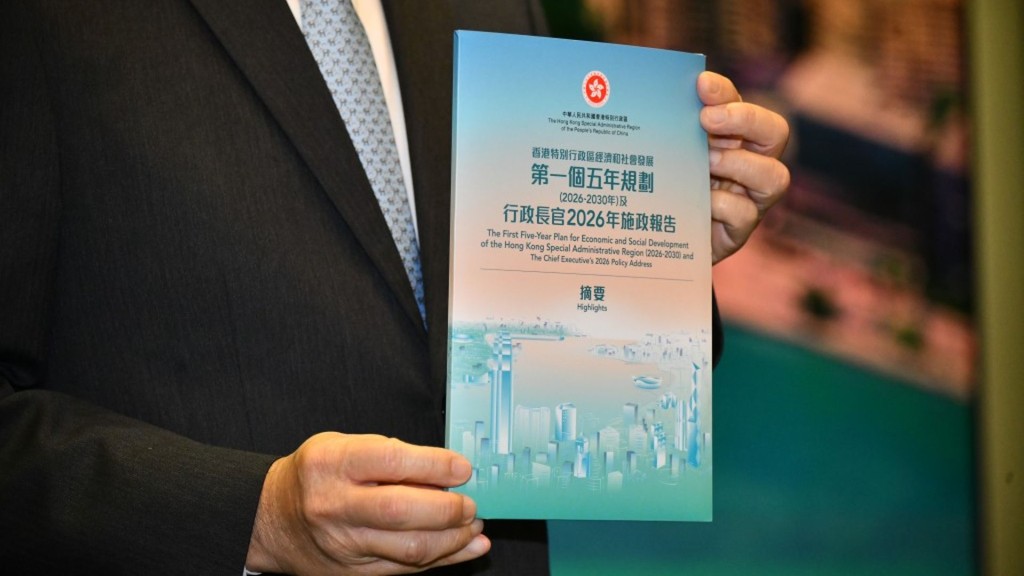
Hong Kong’s strategic policy direction reflects the broader framework outlined in its first Five-Year Plan, which advocates dynamically adjusting the types and quantities of imported labor based on socioeconomic needs. In theory, a dynamic adjustment mechanism provides essential flexibility to relieve localized bottlenecks across healthcare, construction, and services. However, dynamic policy execution must never be conflated with an uncritical reliance on external labor as a default substitute for internal capacity building, wage restructuring, and local workforce retention strategies.
The core challenge in Hong Kong is less about a sheer numerical deficit and more about a profound structural mismatch. This imbalance is vividly felt by local workers suffering from underemployment alongside a concerning youth unemployment rate. This structural friction exposes a growing gap between market demand and local career pathways.
When public figures frame foreign importation as an immediate panacea, it generates deep anxiety among local employees who fear a “race to the bottom” regarding wage growth and workplace standards. Left unmanaged, uncalibrated labor importation threatens to trigger economic “involution” — a destructive dynamic where intensified competition yields diminishing returns — while exacerbating employer-employee friction and fueling cross-border tensions. Indeed, this domestic debate mirrors a broader global phenomenon, where rising social friction surrounding immigration and foreign labor has become a critical pressure point demanding nuanced, empathetic policy management from governments worldwide.
To navigate this wave of economic transition successfully, policymakers and business leaders must adopt a transparent, careful, and human-centric approach that prioritizes local worker welfare.
First, labor policies must strictly adhere to a “local labor first” framework. Authorities should provide empirical evidence proving that local recruitment, training opportunities, fair compensation enhancements, and working condition improvements have been thoroughly exhausted before opening doors to external labor. Complete operational transparency is vital for maintaining public trust.
Second, public figures must avoid divisive language. Attributing labor shortages solely to local workers’ unwillingness to take frontline care roles dismisses genuine concerns regarding working conditions and erodes mutual respect in labor relations. Clear policy explanations are essential to ensure that labor-importation measures do not stigmatize any community or deepen social divisions.
Third, the government must address structural mismatches at their root through targeted educational reform, reorienting vocational training and higher education institutions to equip young people with practical, high-value skills that directly align with evolving market demands.
Finally, artificial intelligence and modern technology must be leveraged to serve the people. Integrating smart care solutions, assistive healthcare tools, and automated systems into daily operations can significantly reduce physical strain on frontline healthcare staff and increase efficiency without displacing local labor.
Ultimately, economic governance must remain people-centered. A dynamic labor importation mechanism can support Hong Kong’s future growth, but only when balanced with local safeguards, educational innovation, and technological empowerment to preserve social harmony and long-term economic competitiveness.