Read More



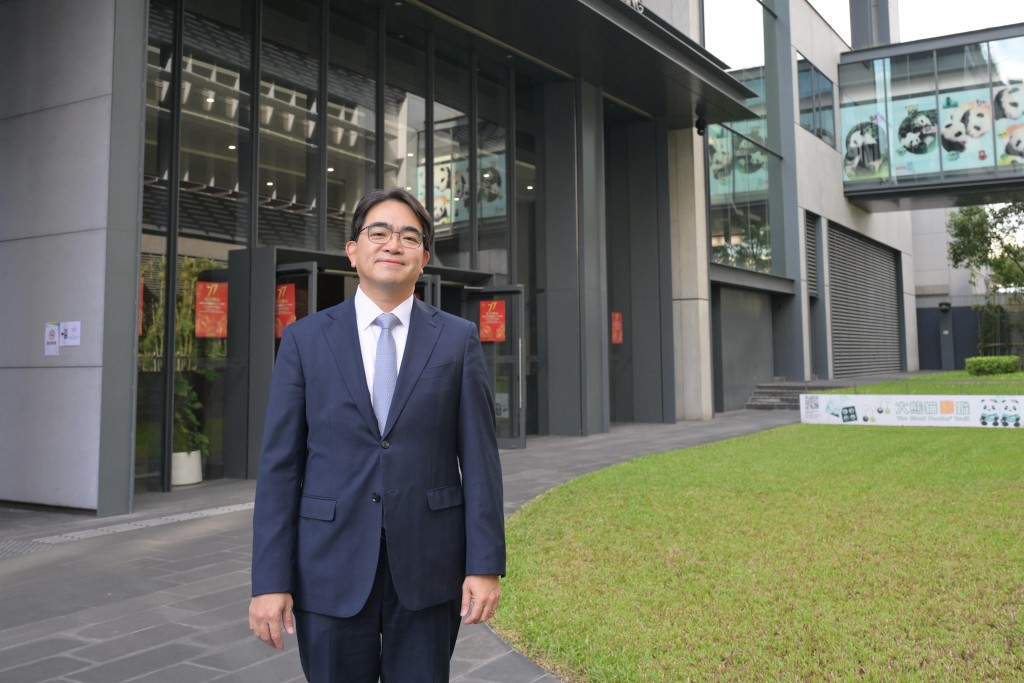


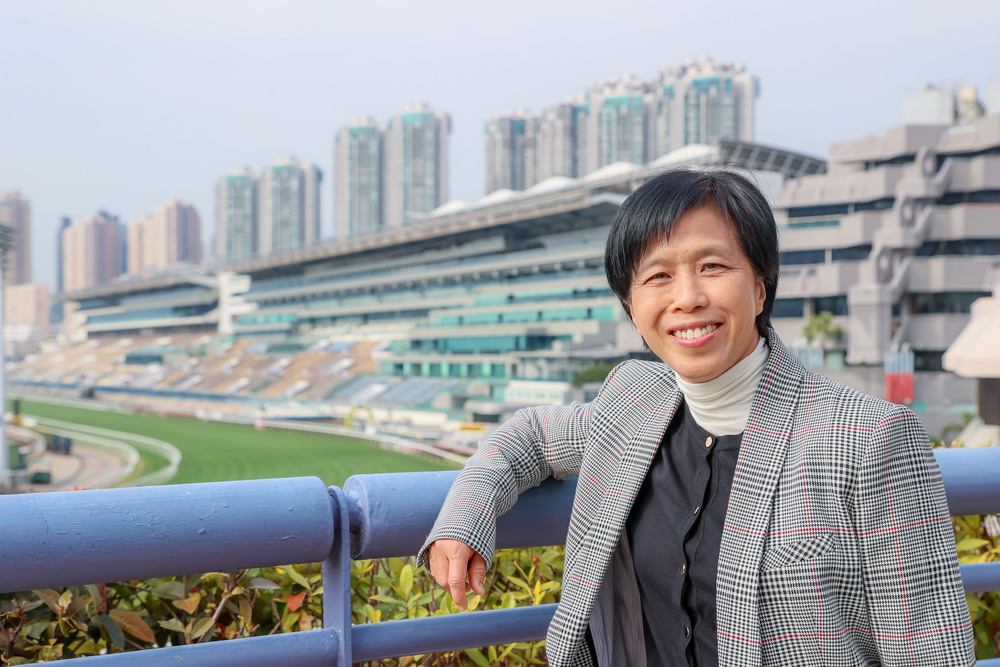
The first batch of teenage mainland jockeys will start training this summer, says Amy Chan Lim-chee, executive manager of the Hong Kong Jockey Club's Racing Talent Training Centre.
The HKJC has also recruited some 800 mainland staff at its Conghua racecourse in Guangzhou - more than 50 percent more than the 500 it had when the racecourse opened in 2018.
Chan said the club will collaborate with the Guangdong Vocational Institute of Sport in nurturing racing talent by recruiting students aged 15 to 16 to join a five-year course.
It will admit 15 to 25 students per year and they will be taught various skills including riding, stable management, horsemanship and sports science.
The first batch of students will be recruited this summer, Chan said, adding the course curriculum has already been submitted to the education authority in Guangdong province for approval.
"We will start the promotion of the course after the Lunar New Year at teenage sports institutes in various provinces and they can file their applications to our course at Guangdong Vocational Institute of Sport in April or May," she said.
Previously, only students aged above 18 could join the club's training courses, Chan said, adding plenty of young mainlanders, especially athletic students, can be trained.
"We will examine their physical condition and train them to become our first mainland jockeys if they have the right quality," she said.
However, there may not be enough time to complete training for mainland jockeys by 2026, when racing will held at the Conghua, as it takes five to seven years to train one, Chan said. So HKJC will first send Hong Kong jockeys to the mainland race meetings, she added.
Apart from potential mainland jockeys, the club has been training various talents in the mainland since 2018, Chan said.
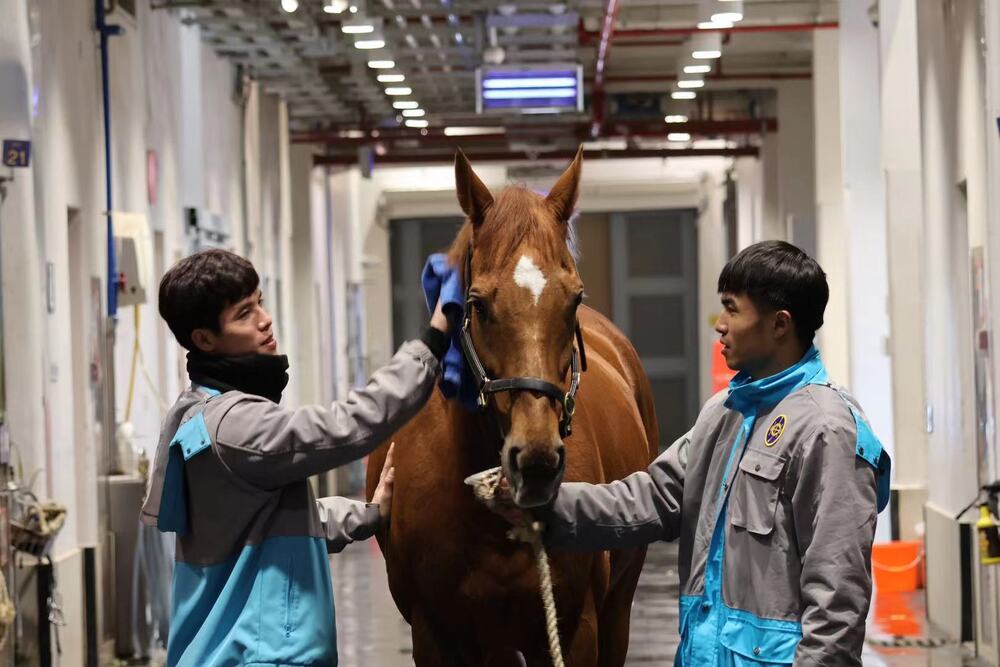
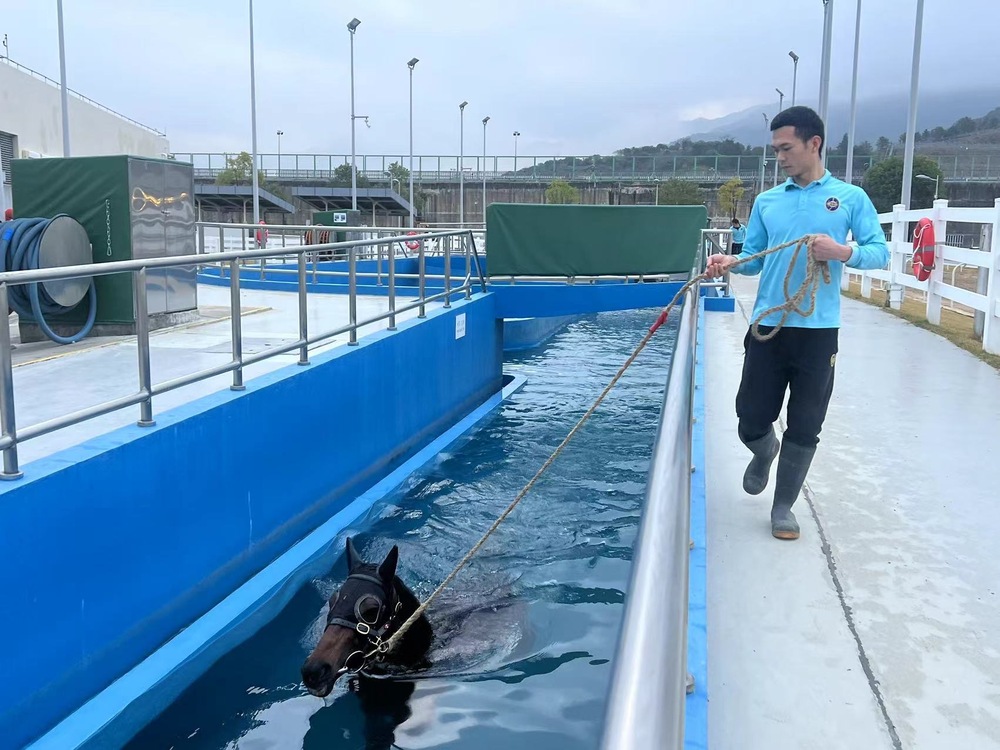
She said the training at Conghua is exactly the same as the one in Hong Kong, including stable management, horse control, horse physiology, sports science, and English. Mainland trainees can serve in various positions as well, including work riders.
"Some horses are harder to control, and only those who can ride all horses are regarded as capable riders and can begin working," she said.
Chan said the HKJC aims to provide more job opportunities for youngsters in the Greater Bay Area.
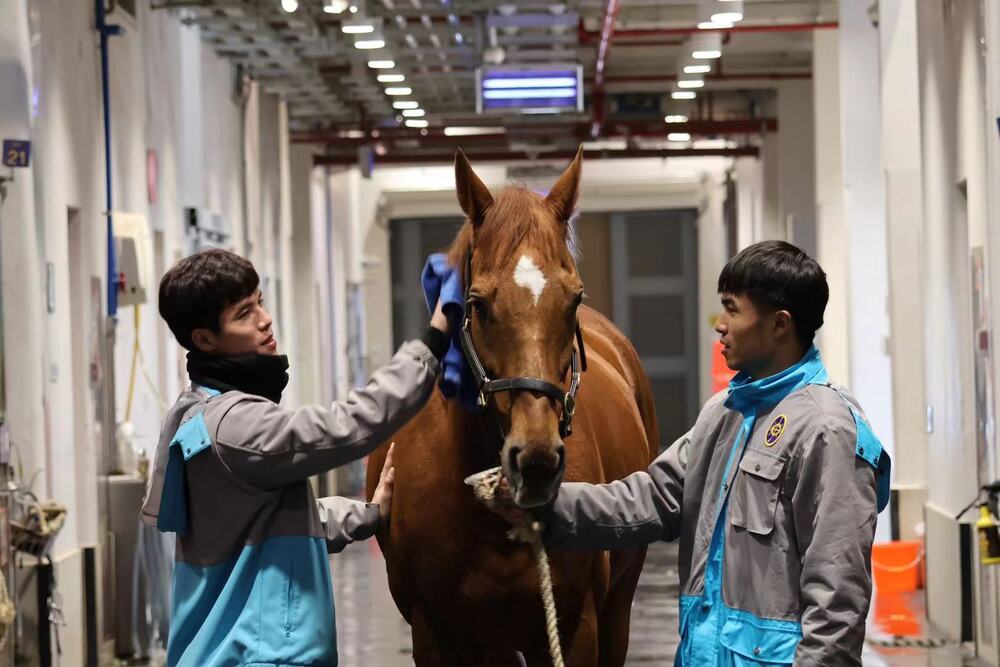
One of the staff, 30-year-old Zhang Bangsheng from Conghua, who used to be a security guard, became a farrier after a four-year course. Zhang said he had never touched a horse before and felt happy and proud when the horse that he cared for won five races in a row.
Another farrier from Conghua, 30-year-old Hu Wenxue, quit his previous job as a fire protection personnel.
"The prospect of working as a HKJC farrier is much better than my previous job," Hu said. "The training course at HKJC is very systematic."
The two farriers, who were deployed to Hong Kong on a two-week exchange, said they could learn about farriers' daily routine during racing seasons in Hong Kong until the Conghua racecourse opens.
wallis.wang@singtaonewscorp.com