Read More
The World Health Organization has classified new coronavirus subvariantJN.1 as a "variant of interest" but said evidence shows the risk to public health is low.
ADVERTISEMENT
SCROLL TO CONTINUE WITH CONTENT
Both overseas and local health experts said that although the strain can evade the immune system and transmit more easily than other circulating variants, it has not shown any signs of severe disease.
JN.1 had been classified as a variant of interest as part of its parent lineage BA.2.86, but WHO has now classified it as a separate variant.
It said current vaccines will continue to protect against severe diseases and death from JN.1, which was first identified in Luxembourg in late August and has spread to more than 40 countries. JN.1 cases among those with Covid soared from 4 percent to about 30 percent earlier this month.
It was first detected in the United States in September. The US Centers for Disease Control and Prevention said earlier JN.1 made up about an estimated 15 percent to 29 percent of cases in the US as of December8.
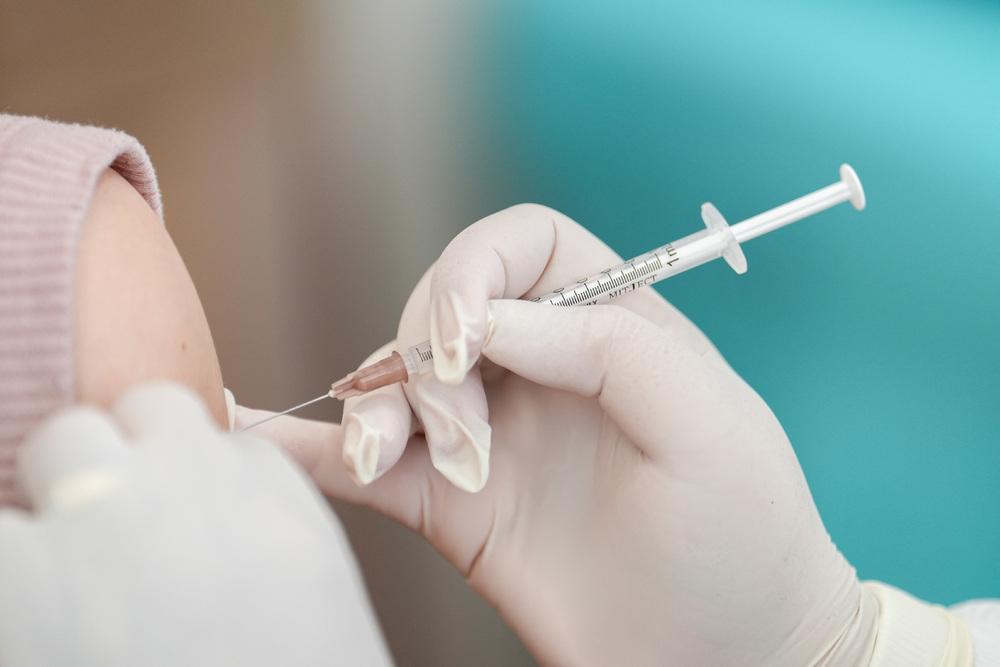
But there was no evidence that JN.1 presents an increased risk, it said, adding an updated shot could protect against the variant.
The mainland detected seven local infections as of December 10.
Mainland health authorities said all patients have mild symptoms or are asymptomatic and believe the JN.1 strain is similar to XBB, which has low public health risk as people have immunity either through natural infection or vaccination.
Although the new strain is not spreading wildly, it could become a major strain due to the influence of imported cases, the authorities said.
University of Hong Kong infectious diseases expert Ivan Hung Fan-ngai said although JN.1 has better evasion and transmission capabilities, there is no evidence for it to cause serious illnesses.
But Hung said the elderly and those with impaired immune functions are at high risk of developing serious illness and they should receive a booster shot soon.
Andrew Pekosz, a virologist at the Johns Hopkins Bloomberg School of Public Health, said while there might be more cases, JN.1 does not pose a greater risk.
Meanwhile, Singapore has been reporting daily Covid infections since Tuesday. It recorded more than 56,000 cases in one week.
The average number of hospitalizations per day has increased from 225 to 350.
wallis.wang@singtaonewscorp.com
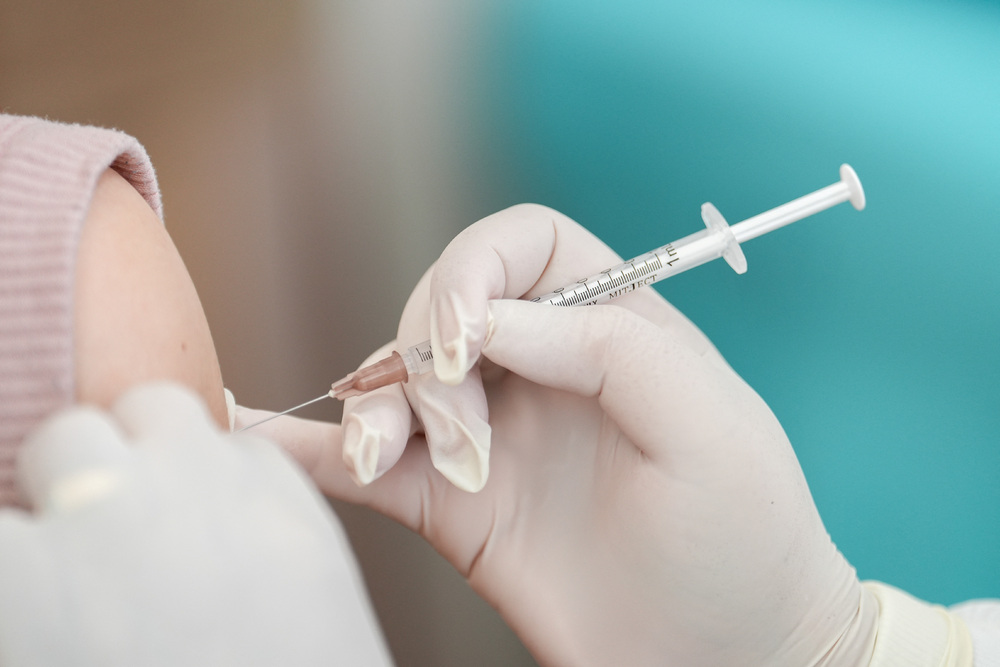
Current vaccines are effective against JN.1.