Read More





Night Recap - September 24, 2026
8 hours ago
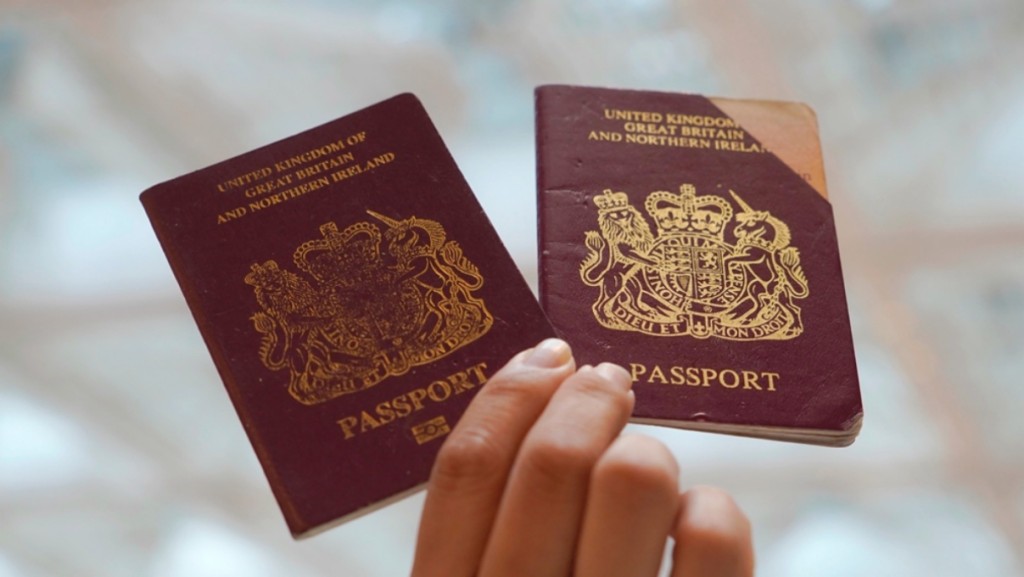
UK denies BN(O) visas to Hongkongers with protest convictions: report
23-09-2026 18:59 HKT
Mainland scientists suspect that Covid has caused organs to develop in a reverse position among unborn babies after at least 56 fetuses in Shanghai and Changsha, Hunan province, were found to have the rare condition this year, four times more than the annual incidence from 2014 to 2022.
The study, published in the New England Journal of Medicine last Thursday, said the number of cases has reached a record high, with 52 cases of complete inverted organ placement and four cases of partial inversion recorded in a hospital in Shanghai and in Changsha between January and July.
Researchers from Shanghai Jiao Tong University and Tongji University wrote that the situs inversus - a left-right mirror reversal of the visceral organs - could be related to Covid infections, as the cases were detected months after massive Covid outbreaks in the mainland.
"We noted a striking increase in the number of cases of fetal situs inversus that were diagnosed by means of ultrasonography at our hospital several months after the 'zero-Covid' policies in China were lifted," they wrote.
The researchers analyzed the incidence of fetal situs inversus diagnosed at two obstetrical centers - the International Peace Maternity and Child Health Hospital of China Welfare Institute in Shanghai and the Hunan Provincial Maternal and Child Health Care Hospital in Changsha.
During the first seven months of 2023, the incidence of situs inversus at these centers was over four times as high as the mean annual incidence from 2014 through 2022; the incidence peaked in April 2023 and remained elevated through June 2023.
Researchers said the surge followed Covid outbreaks, which began in early December last year, peaked around December 20, ended in early February and ultimately affected approximately 82 percent of the population.
"Although no conclusions can be made regarding causality, our observations suggest a possible relationship between SARS-CoV-2 infection and fetal situs inversus that warrants further study," they added, referring to the coronavirus.
"Although vertical transmission of SARS-CoV-2 is debated, fetal infection early in gestation could hypothetically affect visceral lateralization; alternatively, SARS-CoV-2-mediated maternal inflammatory responses might indirectly affect left-right organizer function and impair visceral lateralization."
However, David Hui Shu-cheong, a respiratory expert at the Chinese University, told The Standard that only limited cases were reported and there was "no definite conclusion on any association between Covid and situs inversus."
"If this association is true, you would expect a substantial incidence in every country regardless of the racial background," he said.
Respiratory expert Leung Chi-chiu said that the surge of situs inversus cases may be a coincidence.
"Covid is a global pandemic, and the situs inversus cases detected in only one place might have happened randomly," Leung said.
"Situs inversus cases would happen even without the Covid pandemic... we should monitor if other countries also recorded similar situations. If not, then the proposed connection between Covid and situs inversus may not be true," he said.
Leung added that Covid infection in pregnant women generally would not cause a left-right mirror reversal of organs specifically. Instead, the infection may lead to organ development defects in babies.
wallis.wang@singtaonewscorp.com