Read More











Jollibee founder buys Mid-Levels luxury flat for $160.75m
24-11-2026 20:48 HKT

MTR's world first solution for building Hung Shui Kiu Station
25-11-2026 06:00 HKT
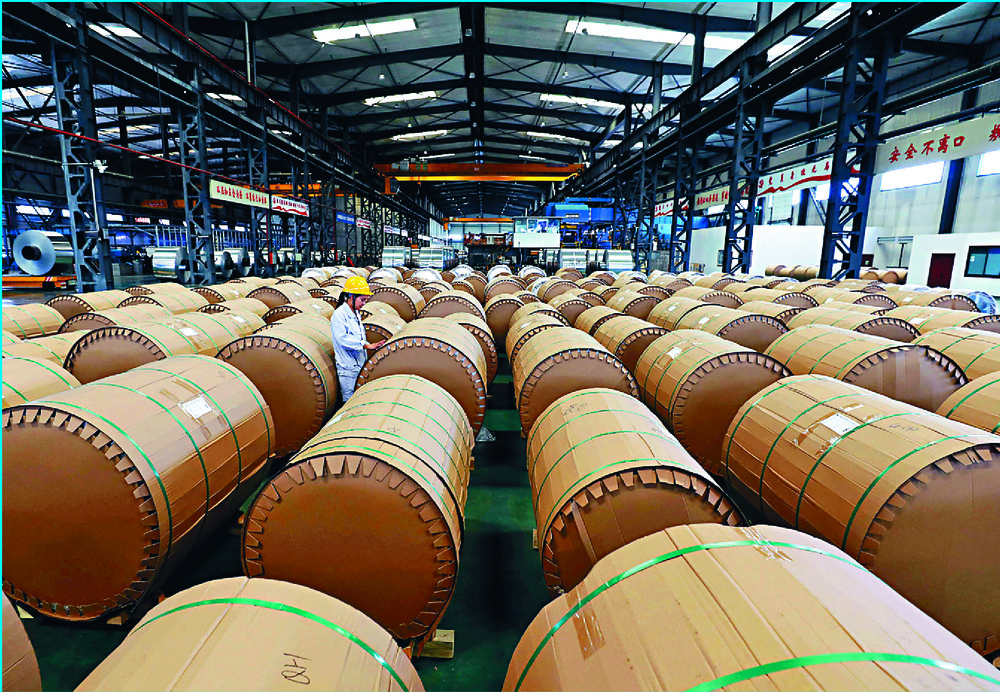
China's exports saw a third consecutive monthly decline in July, falling by 14.5 percent year-on-year, the worst fall in 3 1/2 years.
Overseas shipments dropped 14.5 percent in US dollar terms last month from a year earlier - the worst decline since February 2020 - while imports contracted 12.4 percent, the customs administration said. That left a trade surplus of US$80.6 billion (HK$628.7 billion) for the month.
Bloomberg economists had forecast that exports would drop 13.3 percent while imports would shrink 5.6 percent.
Exports have been waning because of slowing demand overseas, making it impossible to maintain the record level of shipments seen in 2021 and 2022 during the pandemic.
Shipments to the US plummeted 23.1 percent in July, according to customs data. Exports to other markets including Japan and the EU dropped by double digit percentages, too.
In a rare move, the yuan was fixed twice yesterday as the People's Bank of China set the midpoint rate of the yuan at 7.1365 per US dollar at 9.30am but later changed it to 7.1565.
According to Fiona Lim, senior foreign exchange strategist at MayBank, if the midpoint of the yuan is set higher than 7.15, it will likely provide more room for the USD/CNY exchange rate to rise. She added that this could be a signal that the upper limit of 7.30 for the USD/CNY spot rate may be removed.
Following the adjustment, the offshore yuan rapidly declined, breaking below the 7.23 level.
DBS Hong Kong anticipates that the situation of China's exports will only see improvement by the end of this year at the earliest.
According to Nathan Chow Hung-lai, vice president of economist group research at DBS Bank (Hong Kong), shipments to Western countries continue to be weak and the effects of tightened monetary policies in these regions may last for around a year.
Additionally, the high inventory levels suggest that holiday consumption in the second half of the year may not result in a significant export rebound.
Furthermore, the impact of the current US restrictions on investment in China is anticipated to be limited on bilateral trade. And the electric vehicle and battery trade are expected to be growth drivers.
As for mainland imports, their rebound will rely on improvements in the domestic economic environment and labor market, said Chow.
The deepened slump in imports "is a reflection of weak domestic demand and investment," said Zhang Zhiwei, chief economist at Pinpoint Asset Management.
China's economic recovery this year was expected to be buoyed by strong domestic demand but a housing market slump has hit construction while consumption growth is slowing - issues underlined by the fifth consecutive month of falling imports.
Meanwhile, Hong Kong stocks fell by 1.8 percent yesterday as China's exports continued to contract even more than expected. Chinese stocks listed in Hong Kong, including property and technology, led the losses.