The Immigration Department suspects unauthorized tampering after a Hong Kong woman was denied entry to Japan and sent back on the same flight over missing pages in her SAR passport, sending the document to the Government Laboratory for forensic examination.
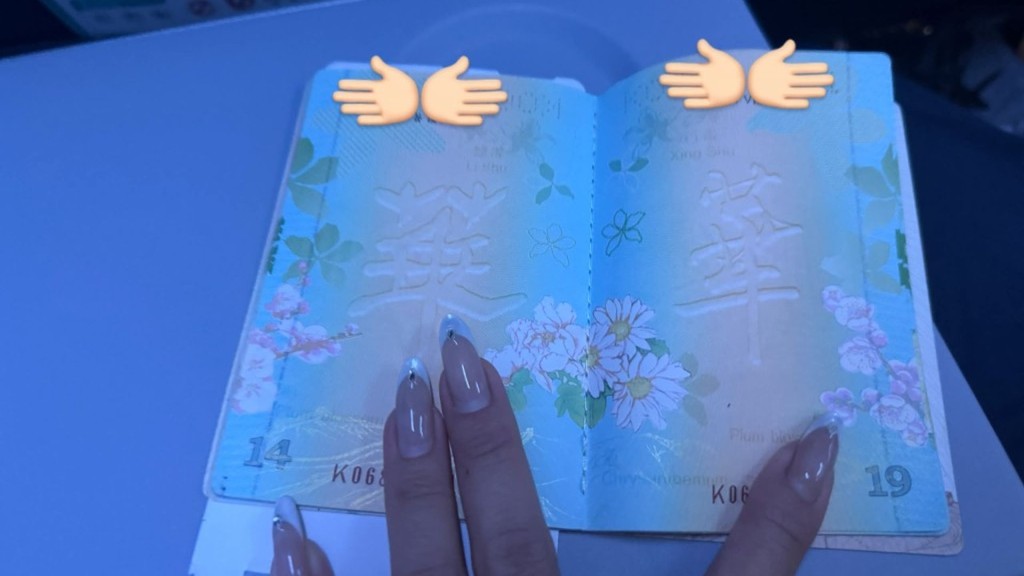
The woman had planned a birthday trip to Japan from Monday to Sunday, but Japanese immigration officers discovered during arrival clearance on Monday that pages 15 through 18 were missing from her passport, with the numbering jumping directly from page 14 to page 19.
Japanese authorities refused her entry on the spot and placed her on an immediate return flight to Hong Kong, ruining her planned holiday, flights, and hotel bookings.
Traveler claims manufacturing defect
Posting on social media platform Threads, the woman said she obtained the passport in 2018 and had previously used it without issue to travel to South Korea, Thailand, and Taiwan after the pandemic, insisting she was completely unaware of the missing pages.
She claimed the center stitching remained completely intact with no signs of tearing, noting that both Japanese immigration officers and an interpreter remarked that the pages did not appear to have been ripped out. While she was refused entry rather than deported—meaning she would not be blacklisted—she lamented that her financial losses could not be recovered.
Department finds signs of unauthorized alteration
In response to media inquiries, the Immigration Department said the issuance of SAR passports is strictly monitored by a dedicated computer system at its high-security Travel Document Printing Centre in Tseung Kwan O, where every booklet undergoes both automated quality checks and manual inspection of its cover and inner pages prior to collection.
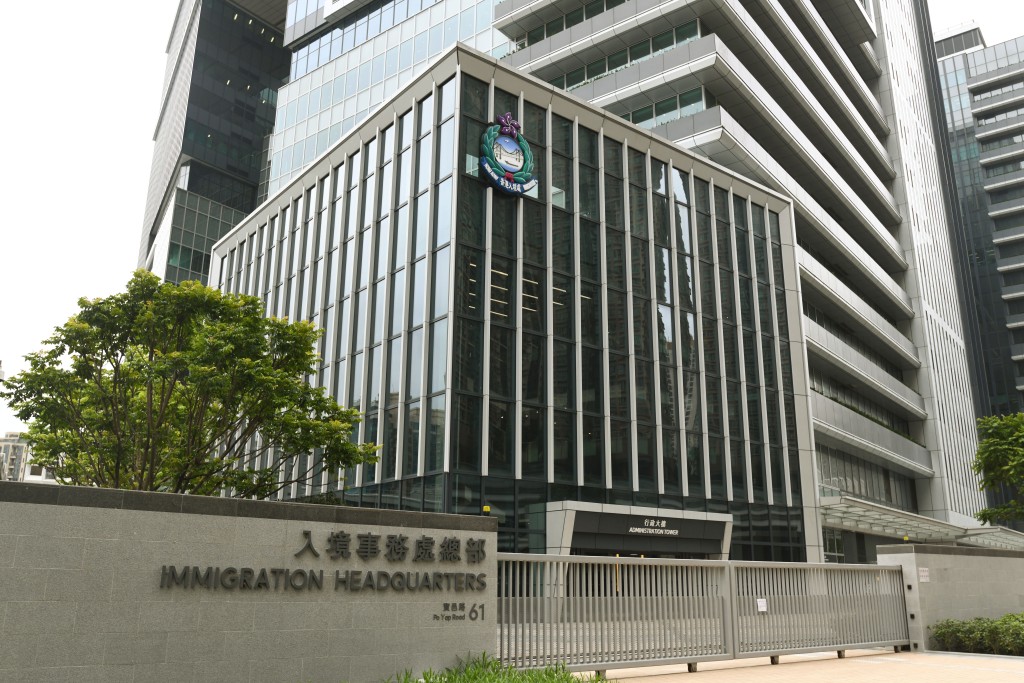
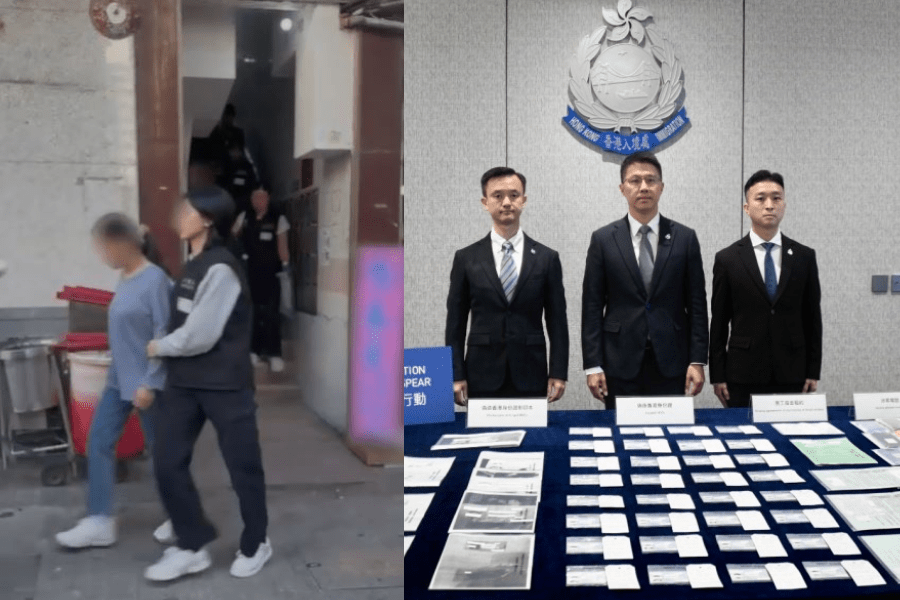
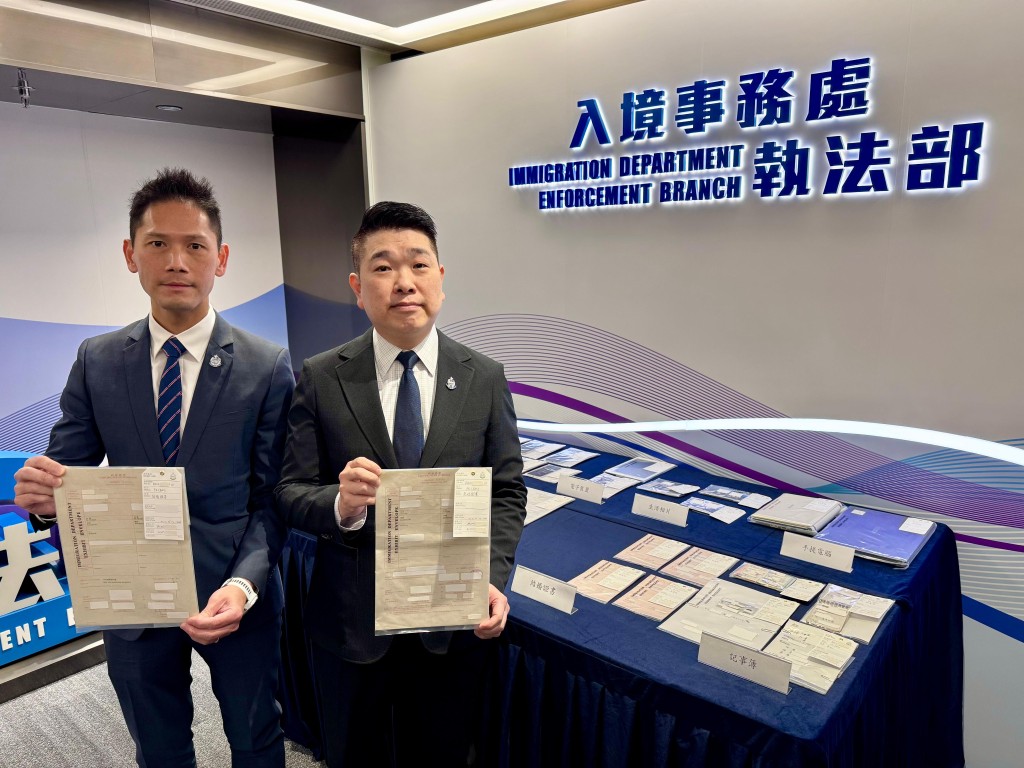
After the woman visited the department in person on Wednesday, officials conducted a detailed examination of the document and found suspected signs of tampering, prompting an immediate follow-up investigation and forensic testing by the Government Laboratory.
The department also noted that while the woman had initially claimed online that airport immigration officers confirmed the missing pages were a printing defect upon her return to Hong Kong, she clarified during Wednesday's meeting that those remarks had not come from immigration staff.
Under the Immigration Ordinance, altering an SAR passport without lawful authority—or possessing or using an altered passport—is a serious offense carrying a maximum penalty of a HK$150,000 fine and 14 years' imprisonment upon conviction.
In a follow-up post on Threads, the woman maintained that she had never damaged the passport and hoped official testing would clarify whether the missing pages stemmed from a printing error or human interference. She added that she hoped to obtain a replacement passport quickly, along with written certification if cleared of responsibility so she could seek refunds from airlines, hotels, and attractions.
Insurance body says missing pages unlikely to be covered
Selina Lau Pui-ling, chief executive of the Hong Kong Federation of Insurers, said standard travel insurance policies clearly specify covered reasons for trip cancellation—typically severe weather, natural disasters, mechanical failure of the aircraft, or airline crew strikes.
Noting she had never encountered a claim involving missing passport pages, Lau stressed that such incidents are generally not listed as insured perils and would therefore fall outside standard travel insurance coverage.