Read More
A plan for a Hong Kong senior police officer to undergo 12 months' training in Britain has been shelved after London suspended such activities for SAR police and others amid the pandemic.
ADVERTISEMENT
SCROLL TO CONTINUE WITH CONTENT
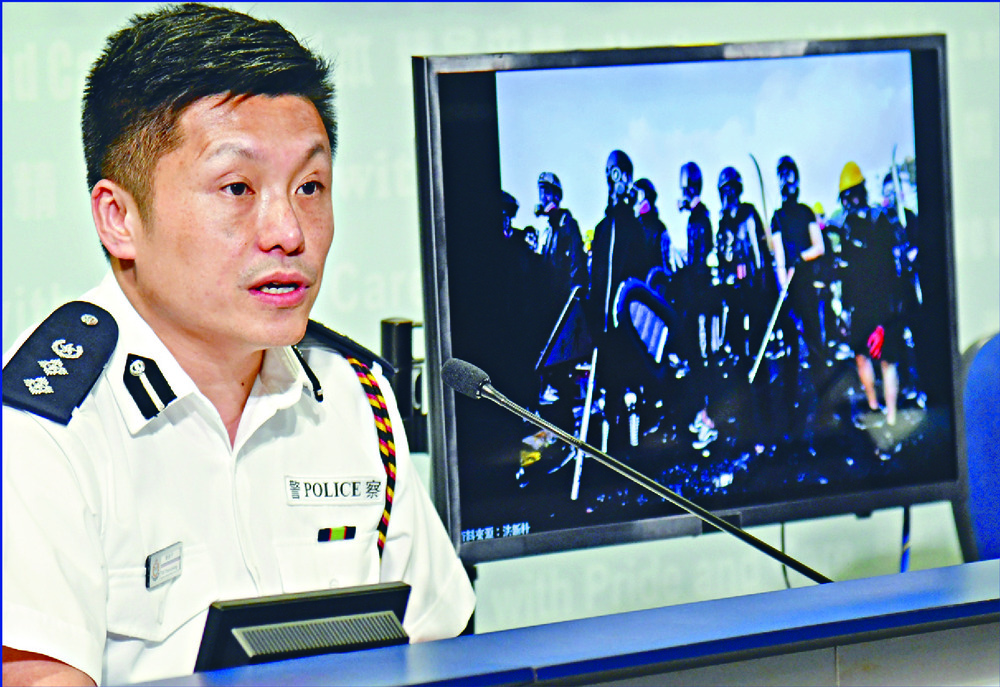
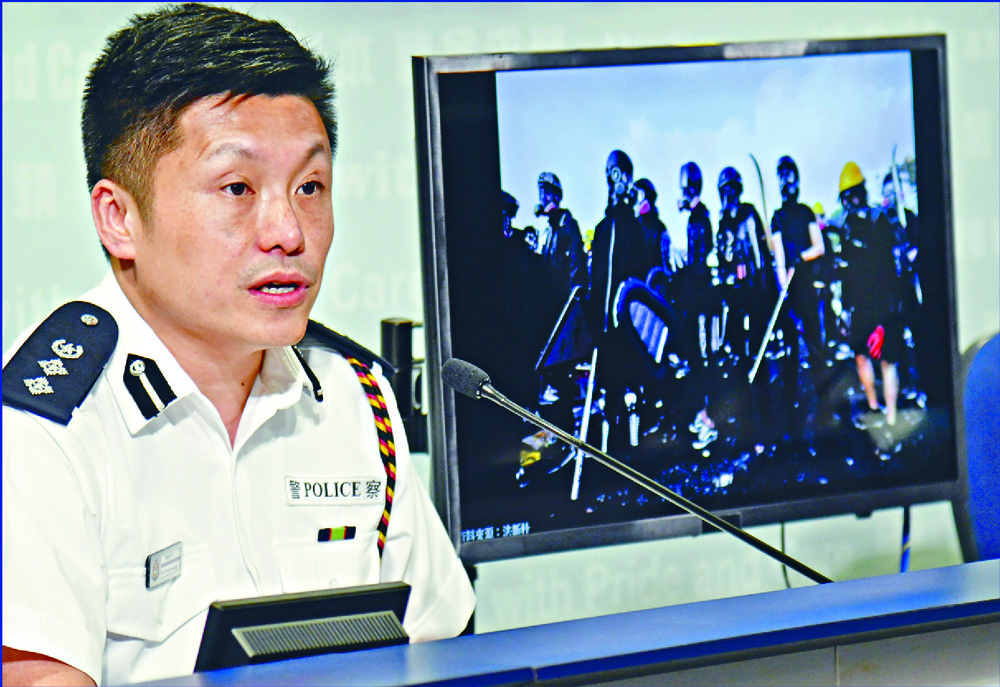
John Tse Chun-chung, the Kwai Tsing district commander and a former chief superintendent of the Police Public Relations Branch, is supposed to train from next month at the Royal College of Defence Studies in London.
That came as the British Ministry of Defence announced it would not offer training to Hong Kong police officers, the Government Flying Service and the Sea Cadet Corps.
And amid China-British relations strained by the imposition of the national security law, authorities said they would review arrangements when the pandemic is over.
Police also confirmed yesterday that the force has suspended training in the mainland and overseas for officers due to the pandemic. But officers refused to comment on "individual training arrangements."
The force claimed to have made the decision on its own initiative after assessing infection risks and manpower status. It said it will review matters later.
Hong Kong police had sent senior officers of commander level overseas for training every year.
And one officer went to the Royal College of Defence Studies, where various police commissioners have received training at public expense.
But the arrangements went on hold in the second half of last year due to manpower strains amid the protests.
Covid-19 was advanced in London as the reason behind the hold on training programs, with a spokesman saying: "In light of coronavirus restrictions, all training with personnel from Hong Kong has been paused. It will be reevaluated when restrictions are lifted."
Britain also announced last month it would suspend its extradition treaty with Hong Kong in the wake of the security law being imposed in the SAR.
Foreign Secretary Dominic Raab said the United Kingdom would extend to Hong Kong an arms embargo it applied on the mainland after the Tiananmen incident in 1989.
The embargo covers potentially lethal weapons, components or ammunition, and any equipment that has not been banned already but might be used for internal repression.
On the suspension of the extradition, Raab said: "We would not consider reactivating those arrangements unless and until there are clear and robust safeguards able to prevent extradition from the United Kingdom being misused under the new national security legislation."
wallis.wang@singtaonewscorp.com
John Tse