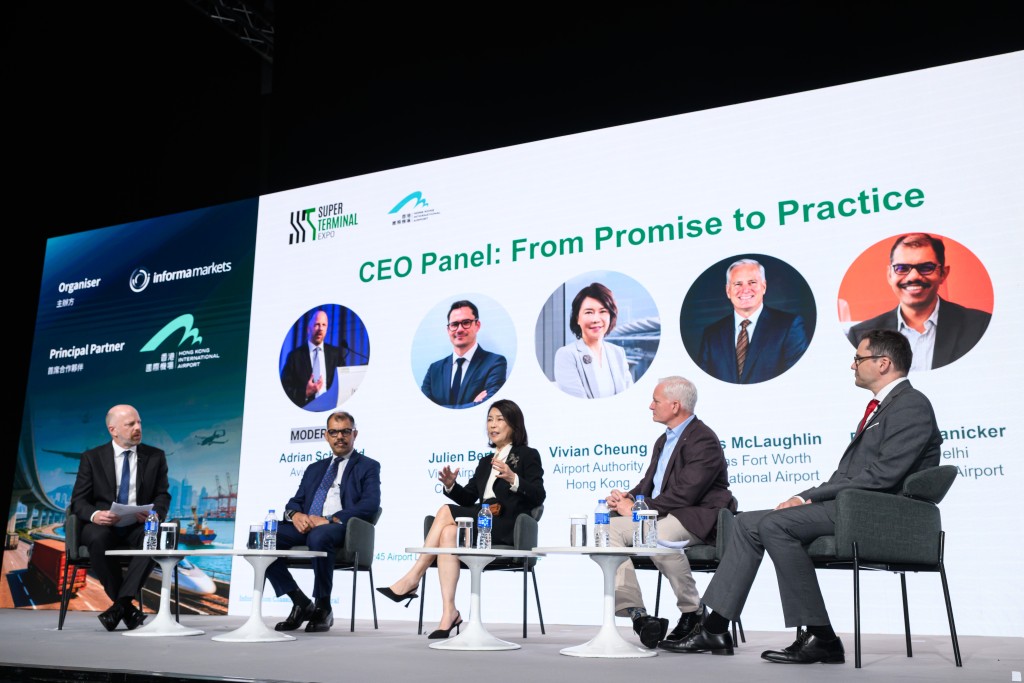
Airport Authority Hong Kong is seeking operators for more attractions at its planned entertainment hub near Hong Kong International Airport, as it prepares to take control of 11 SKIES and turn the complex into a centerpiece of its wider SKYTOPIA development.
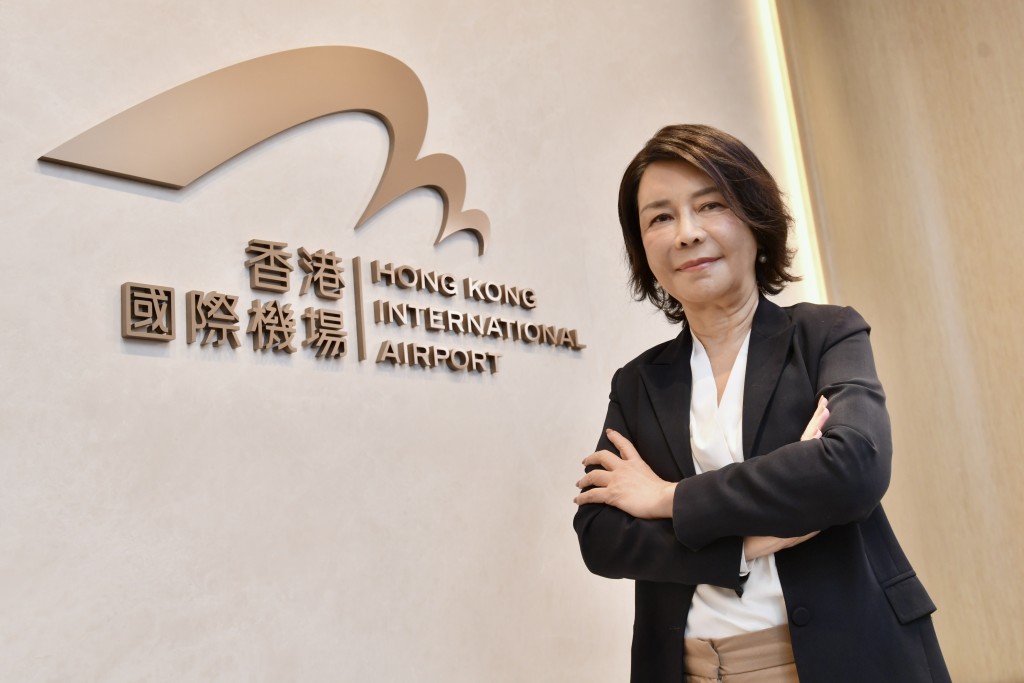
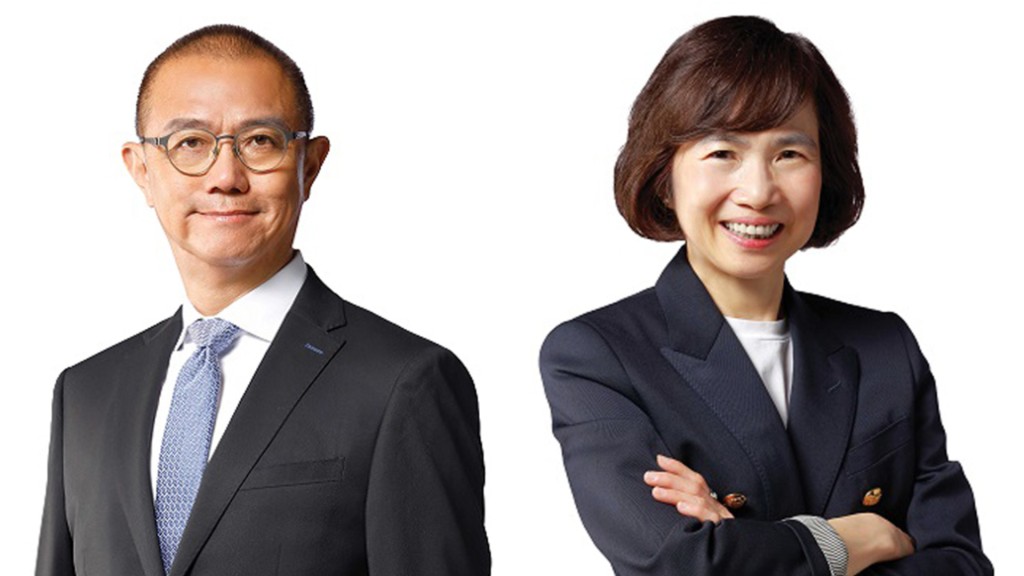
AAHK chief executive officer Vivian Cheung Kar-fay said the authority envisages a number of complementary attractions at SKYTOPIA for different age groups, with a handful already in its plans. More details could be announced in early 2027, ahead of a phased opening targeted for late 2028 and 2029.
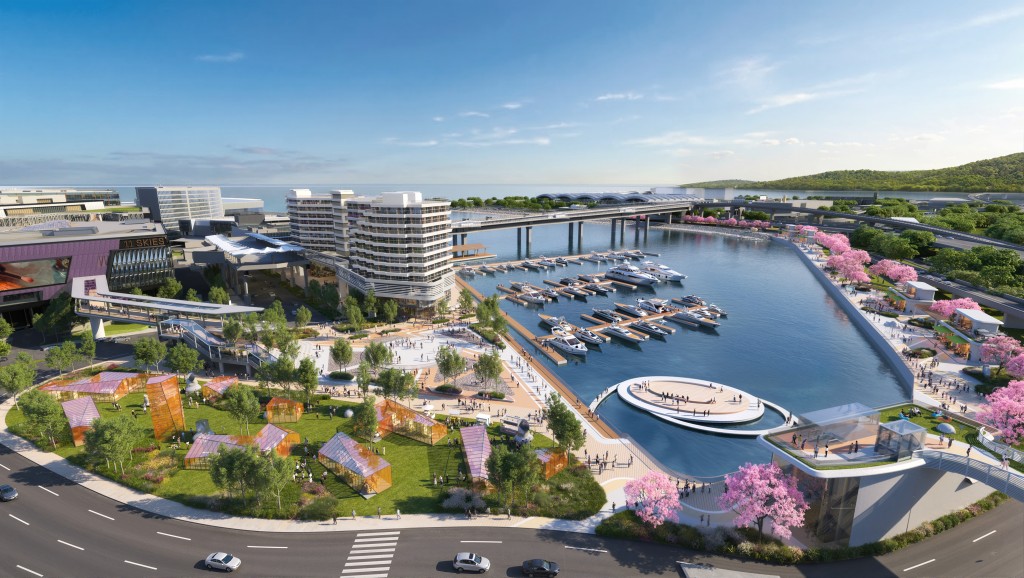
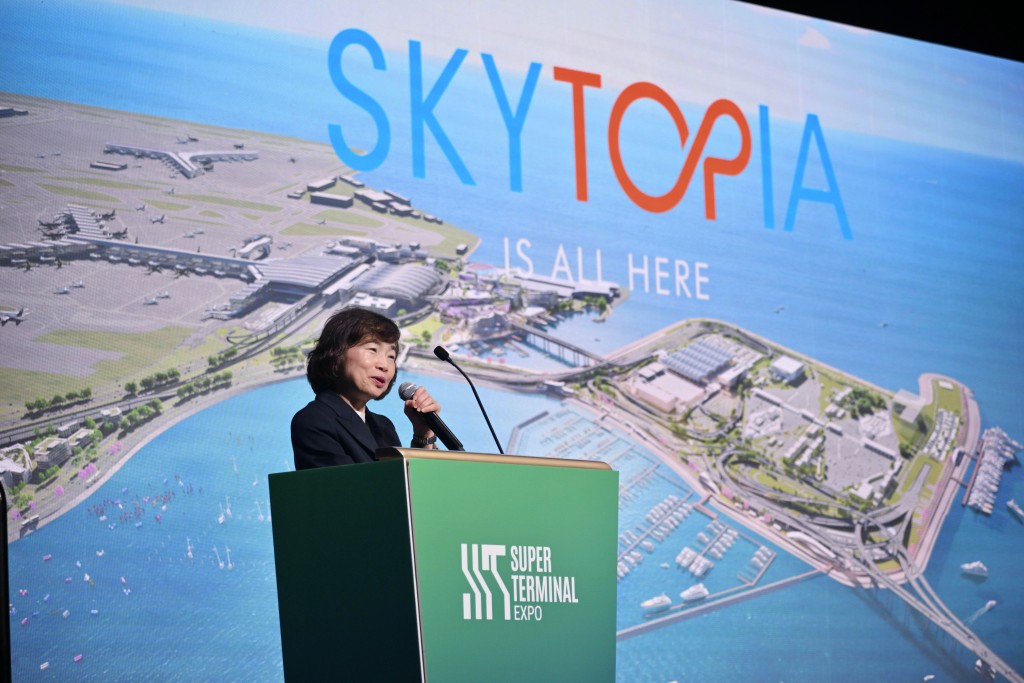
An artist’s impression of SKYTOPIA
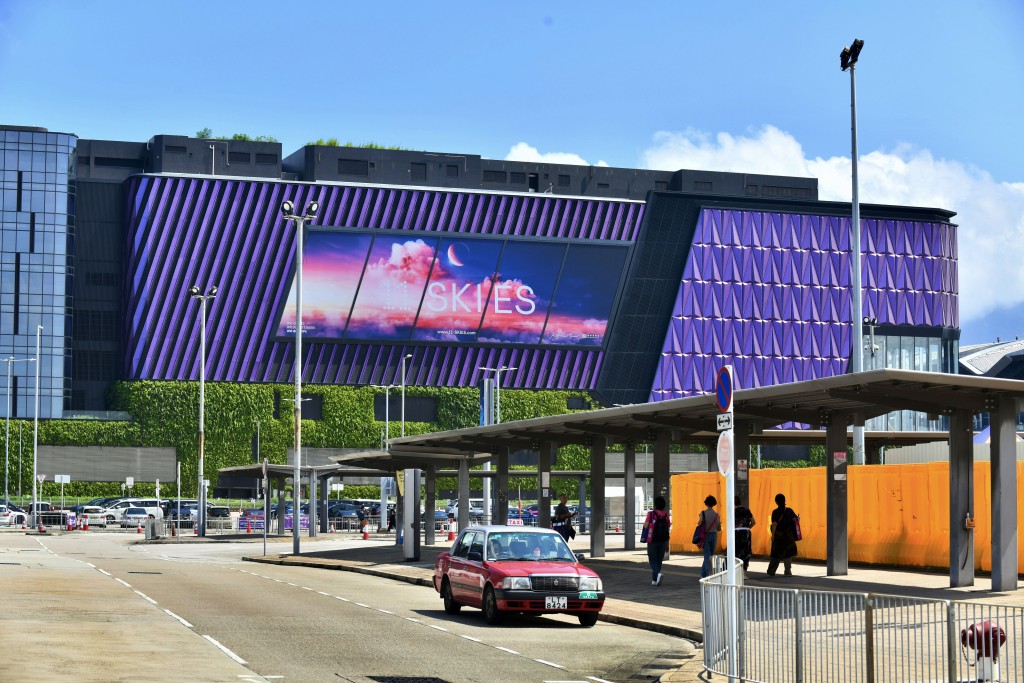
The authority is scheduled to take over 11 SKIES from New World Development on April 1, 2027, under an agreement to end the developer’s sublease early.
Rather than reopen it as a conventional mall, AAHK wants to establish a large indoor entertainment and dining destination, with shopping occupying just 20 to 25 percent of the space, Cheung said.
“We want to build a new landmark for Hong Kong,” she said, describing a destination for residents, Greater Bay Area visitors and international travelers, including transit passengers with a few hours between flights.
Pleasure, business under one ‘SKY’
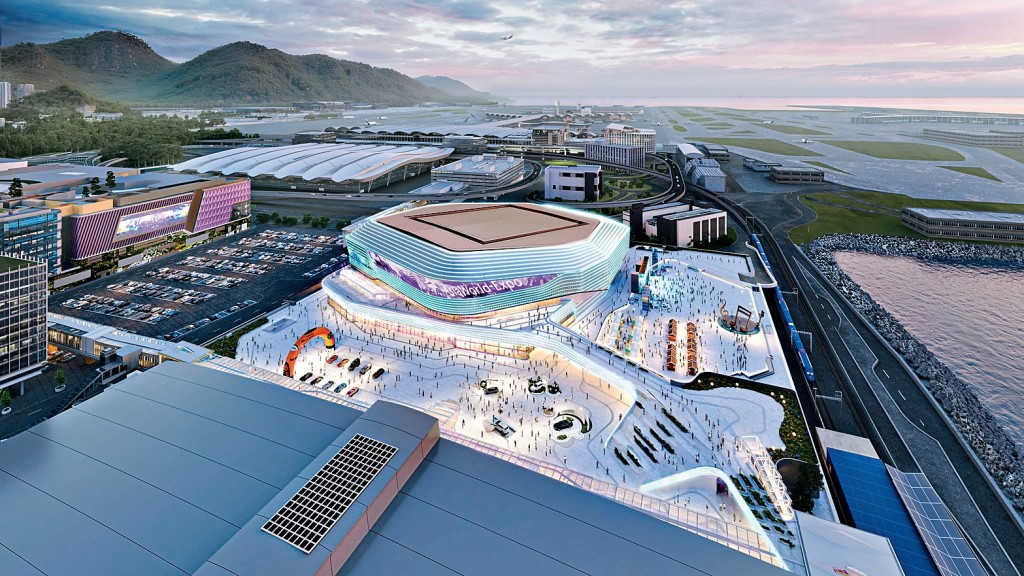
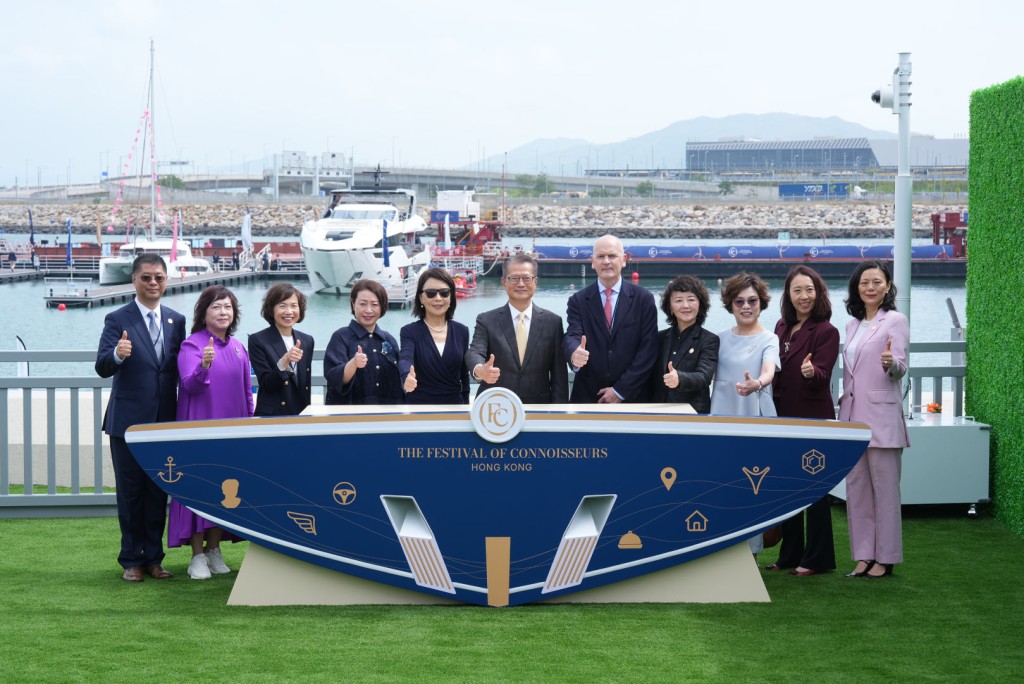
The project is one element of SKYTOPIA, the airport-city blueprint combining leisure, commerce and aviation. Other components include the expansion of AsiaWorld-Expo, featuring a 20,000-seat indoor performance arena; the planned Airport Bay Marina, offering more than 500 yacht berths; and an art and valuables storage facility.
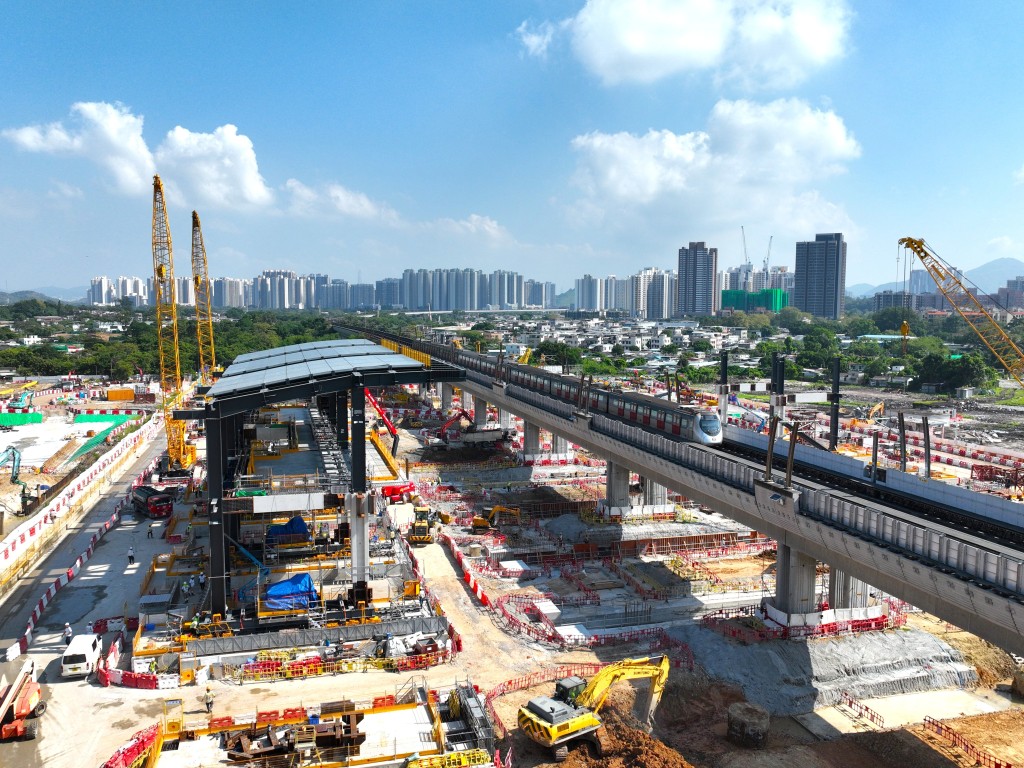
Construction of AsiaWorld-Expo Phase 2 is underway, with completion expected in 2028. AAHK
Cheung said these facilities should reinforce one another. Concertgoers could dine or gather at the entertainment hub before and after shows, while marina users could reach nearby attractions on foot. The authority also hopes to broaden its appeal to affluent visitors through art-related and other premium services.
Access will be another part of the strategy. The Airportcity Link, an autonomous transport connection between the Hong Kong-Zhuhai-Macao Bridge’s Hong Kong Port and SKYCITY, is expected to begin operating in 2027, providing a link to the airport’s commercial district.
Cheung said the investment is intended to strengthen aviation rather than divert resources from it. Additional commercial revenue could help fund airport infrastructure and keep charges for airlines competitive, she said.
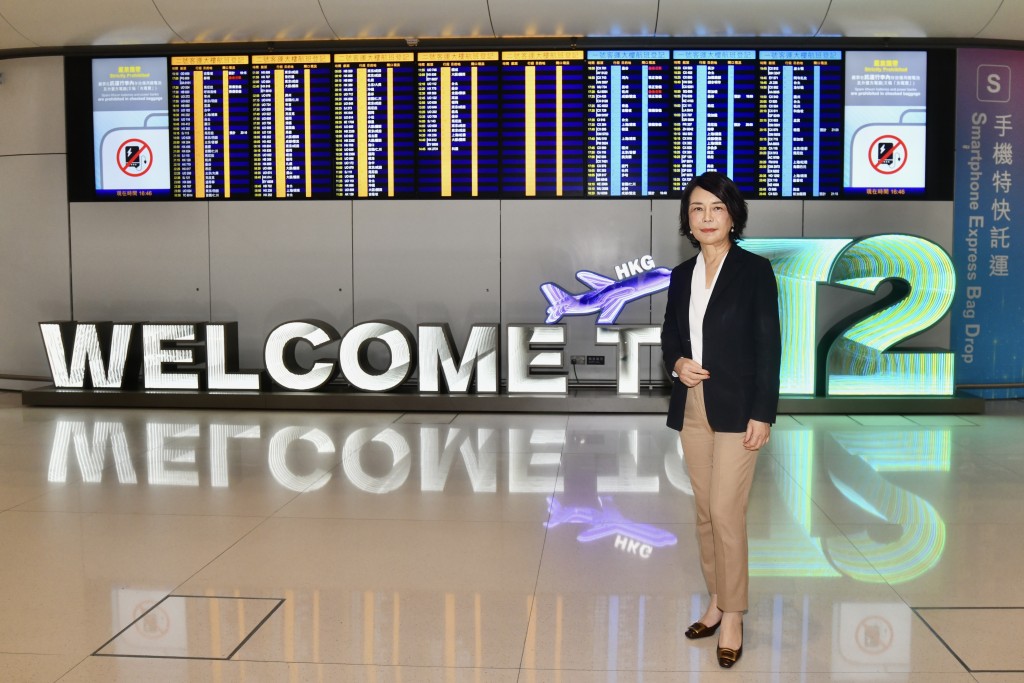
That aviation focus extends beyond the three-runway system. The expanded Terminal 2 began handling departing passengers in May, with its new concourse expected to open by the end of 2027, Cheung said.
What’s next: more flights, infrastructure, AI
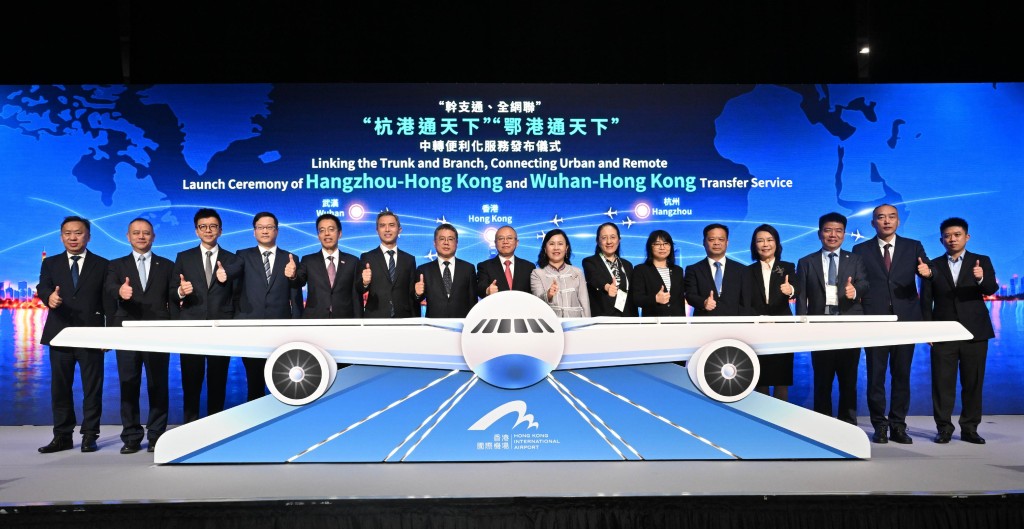
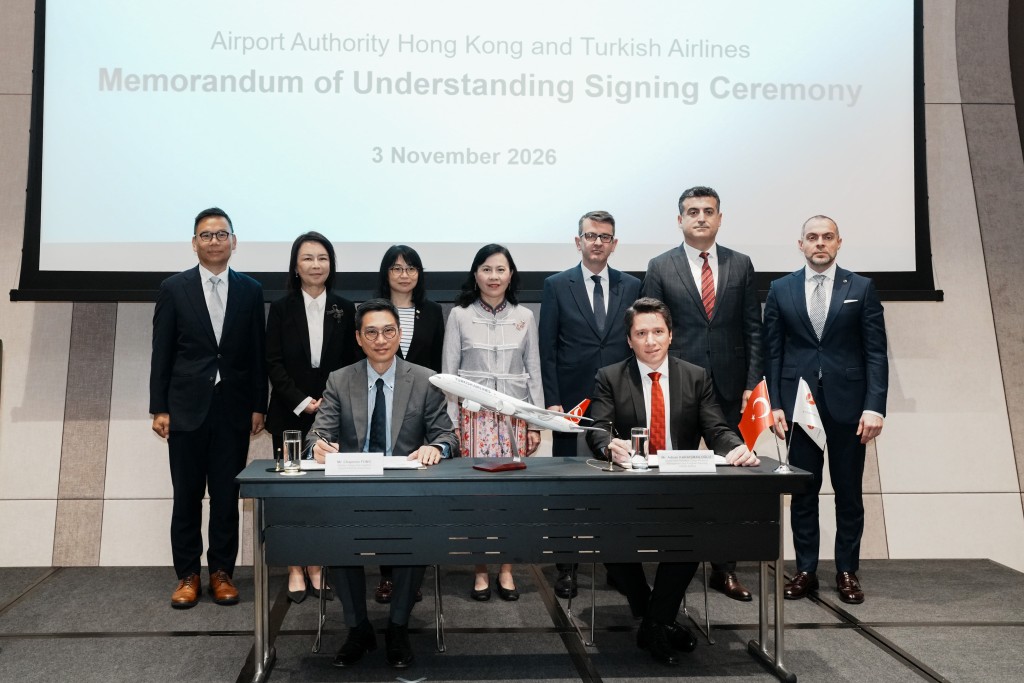
She identified the Greater Bay Area’s market, Hong Kong’s extensive international network, its separate air traffic rights arrangements, and the airport’s service standards as key advantages. AAHK wants more frequencies on established routes and connections to underserved markets in Central Asia, Africa, and South America, though new services must ultimately be commercially viable for airlines.
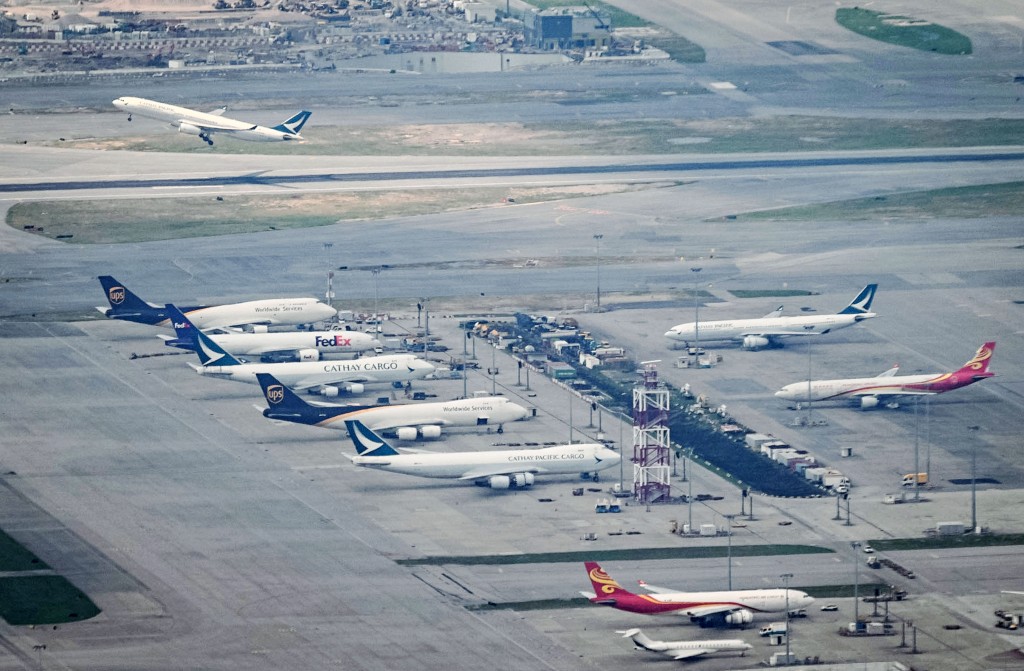
Cargo development is also moving beyond airport terminals. Cheung described AAHK’s role as providing the infrastructure on which logistics companies operate, citing the HKIA Dongguan Logistics Park and the Air-Land Fresh Lane, which speeds the movement of perishable imports into the Greater Bay Area.
The HKIA Cargo Data Platform also underpins digital trade finance and a payment initiative with Visa.
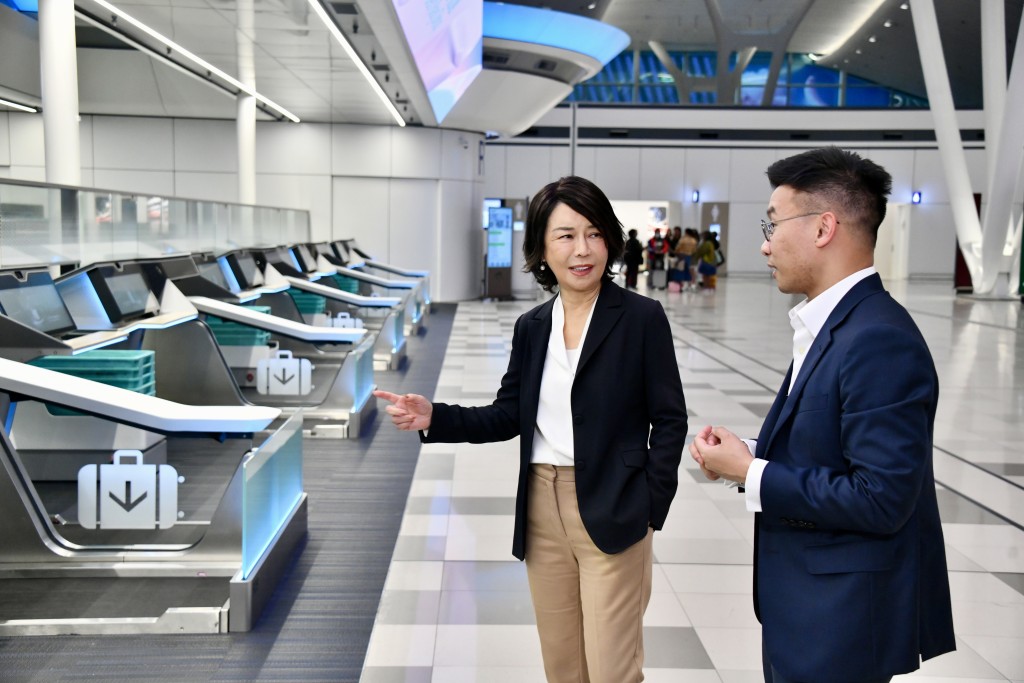
The next push, she said, is automation and artificial intelligence, from self-service passenger processing and autonomous vehicles to baggage-handling systems and tools that monitor aircraft turnaround operations.
For Cheung, the goal is to give passengers and business partners reasons to keep choosing Hong Kong as capacity and competition grow.
Cheung believes nurturing talent and preserving the airport’s ‘can-do spirit’ are key to its continued success.
‘Never seen a place like this’: chief proud of airport community
After more than three decades with Airport Authority Hong Kong, chief executive officer Vivian Cheung Kar-fay does not measure her proudest achievements in runways, terminals or passenger numbers. Her memories, she says, are of the people who kept the airport running through difficult times.
“There’s a lot of proud moments here, but most of them involved people,” she said, reflecting on economic turmoil, the 2019 unrest and the pandemic. What remains with her is not simply how the airport coped, but how colleagues and the wider airport community responded.
“Each time, our team always works very closely together. Not only our team, the entire community,” she said.
“I have never seen another place like this,” Cheung added, recalling people willing to help one another through hardship.
That collective commitment also shapes how she views recognition. “When we get recognition, it’s not just recognizing the leadership,” she said. For her, the credit belongs to the people whose work and shared values have shaped the airport.
“People say that Hong Kong Airport has a can-do spirit,” Cheung said. Keeping that spirit alive, she believes, is as important as delivering the next generation of infrastructure.
Her priorities include identifying and developing talent over the next five years, particularly the airport’s future leaders.
She also wants the authority to carry out its near-term projects, including SKYTOPIA, while preparing a strong 20-year plan for the generations that follow.
As she looks ahead, the legacy she hopes to leave is less about attaching her name to a particular development than ensuring the organization retains the ability to face its next challenge together.
“And what I want to do is continue this culture.”