Read More


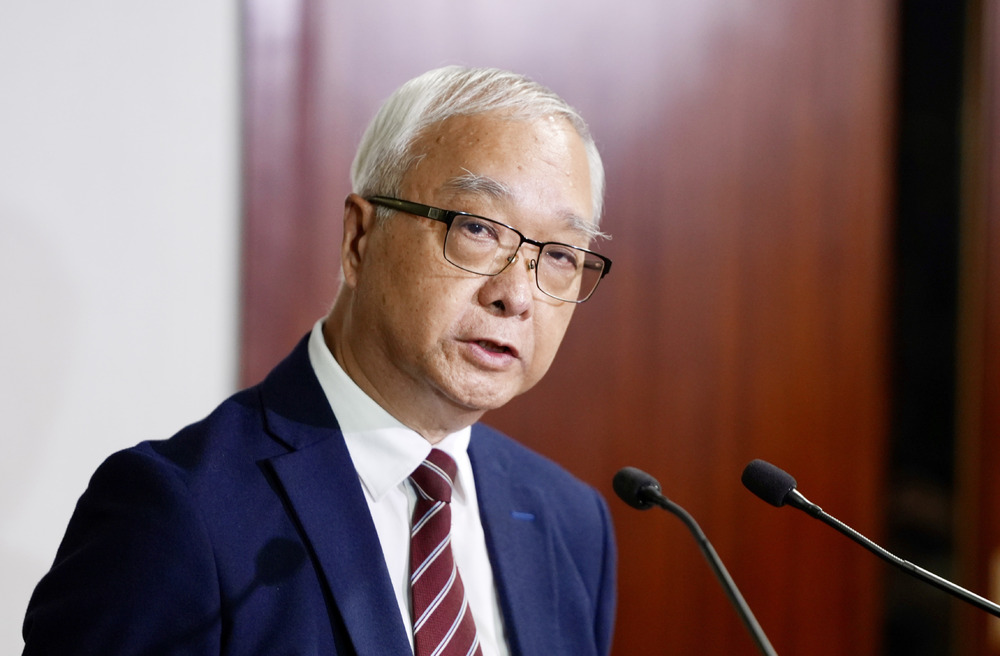
Hong Kong waste could be incinerated in the mainland, Secretary for Environment and Ecology Tse Chin-wan said, while the SAR is considering building a third incinerator in the Northern Metropolis.
Speaking on a radio program yesterday, Tse said the administration is in discussion with the mainland to use Greater Bay Area waste processing facilities for the city's garbage.
"For example, over 1,000 tons of paper are discarded in Hong Kong every day, which can be collected and transported to paper mills in other cities in the GBA to produce recycled paper," he said.
"With cheaper labor and land cost as well as Hong Kong's funding and technology, a zero-waste GBA with integrated waste handling can be set up in the long term."
Tse also said the SAR has started discussing the waste processing plan's details and relevant regulations with mainland authorities. He feels it would be greatly beneficial for the whole area to develop green industry if the plan can be implemented.
However, he said only part of the city's waste will be transported to the mainland. Hong Kong will also use its incineration plants to handle waste as the government aims to completely decommission landfills by 2035.
One measure to achieve this goal is a municipal waste charging scheme, which the government has already shelved due to strong opposition.
Tse said the government is looking for places in the Northern Metropolis to build a third incinerator.
"Landfills in Hong Kong have caused many problems and the only correct strategy is to build more waste-to-energy facilities, or incinerators, to replace them," he said.
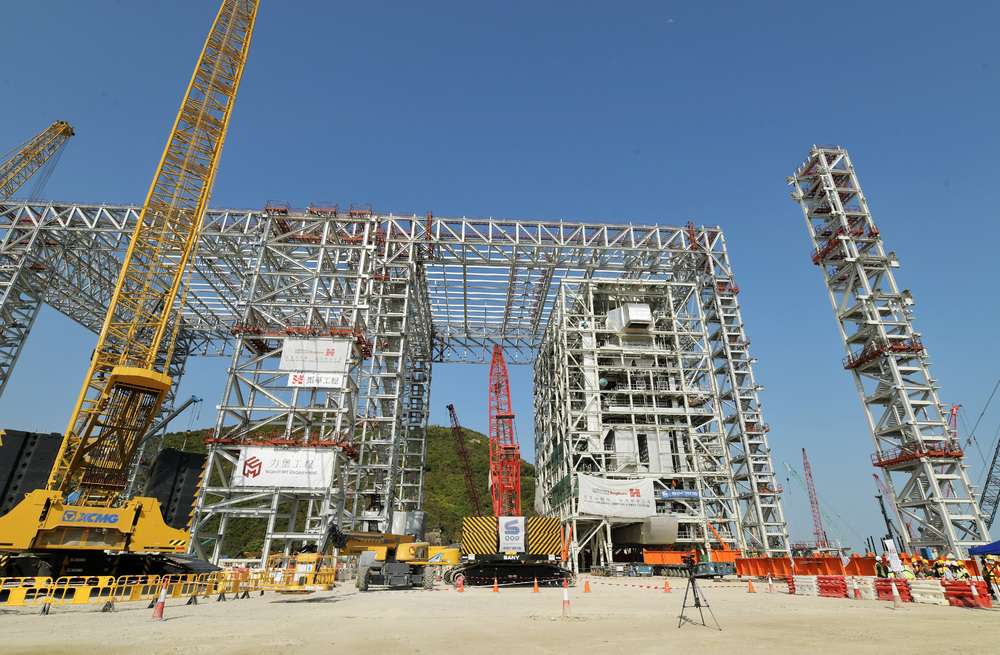
The city's first incinerator, IPARK1, located on an artificial island at Shek Kwu Chau, is expected to be put into use next year.
A second incinerator will be set up in Tsang Tsui in Tuen Mun on a "considerable scale" and the landfill in Ta Kwu Ling can be closed after the incinerator is completed.
"All landfills can be closed after the three incinerators are put into operation," he added.
Tse said the government will "grasp the public's keen concern for recycling" and enhance publicity and education as well as improve recycling facilities.
However, lawmaker Edward Lau Kwok-fan said the government should focus on how to reduce waste in the meantime while mulling over transporting waste to GBA.
Lau said on a television program yesterday that the government's plan is "technically feasible" as mainland incinerators need sufficient waste to be cost-effective.
He questioned whether mainland residents would accept this and even if the plan was approved, it would take at least seven to eight years to implement.
"Also, the threshold to import waste into the mainland is high," Lau said, adding the waste needs to be pre-processed to meet certain standards before it can be transported.
Lau added that the administration also needs to seek approval from Beijing besides reaching agreements with mainland cities on the issue.
The government should put more effort into waste reduction in the short term, he said.
ayra.wang@singtaonewscorp.com