Read More
There are various ways to avoid using disposable plastic tableware and we should get cracking ahead of the ban on single-use plastics, a climate advocate advises.
ADVERTISEMENT
SCROLL TO CONTINUE WITH CONTENT
The ban goes into effect on April 22.
Natalie Chung Sum-yue, who is also a social entrepreneur, said the ban presents an excellent opportunity for people to adopt a plastic-free lifestyle.
In an interview with The Standard's sister newspaper Sing Tao Daily, Chung shared tips to help individuals reduce reliance on plastic products.
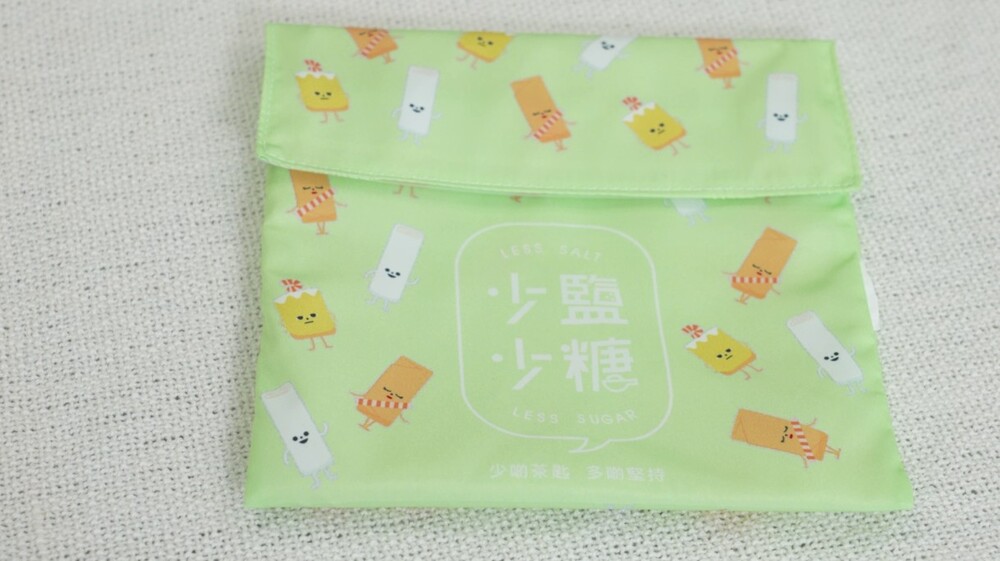
"People can carry a reusable bag for shopping, which can also be used to store reusable tableware and lunch boxes," she said.
Chung recommended bringing a small water bottle and utilizing mobile apps to locate nearby water dispensers, reducing the need to purchase bottled water.
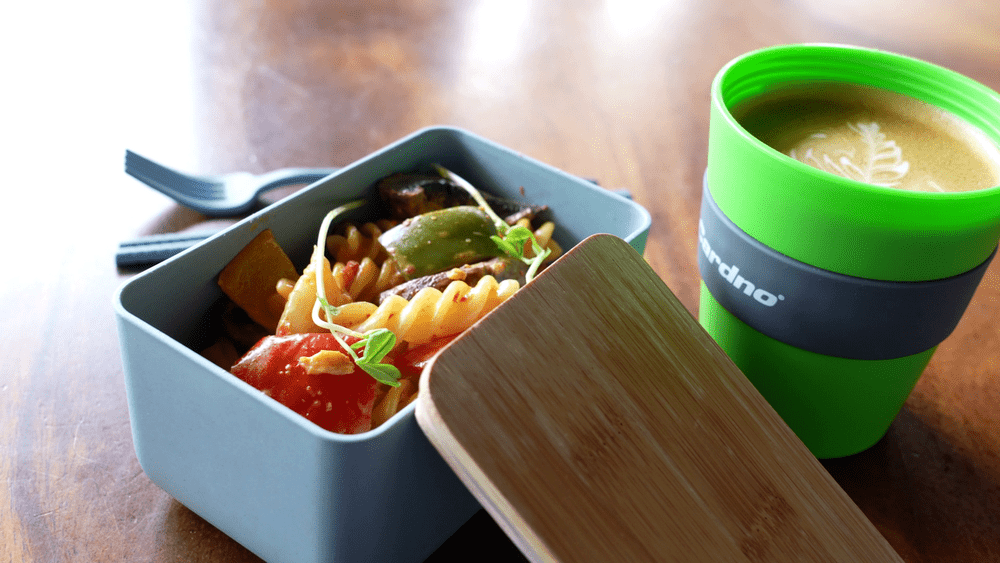
To further promote sustainability, Chung advised that we bring our own portable cups when buying coffee.
Many coffee shops offer discounts for customers who use their own cups, making it both environmentally friendly and cost-effective.
Chung encouraged people to choose food containers made of environmentally friendly materials and featuring anti-fouling designs, minimizing the inconvenience of frequent cleaning.
For those who find it burdensome to wash an entire set of tableware, she suggested starting with a simple step: "carry a pair of chopsticks."
We can also use tableware with outer boxes, which can be wiped dry and cleaned at home, she added.
"If individuals are unable to bring their own tableware, renting one is an increasingly popular option in Hong Kong," she said.
Chung stressed the importance of reducing single-use masks and disinfecting wipes, recommending reusable alternatives. She said plastic waste has long-term implications for nature and human health.
"When plastic waste enters oceans and rivers, it breaks down into microplastics that can be ingested by marine life and subsequently enter the human food chain," Chung said.
She said research has found microplastics in the bloodstream of newborn babies, underscoring the profound impact of plastic pollution on human health.
According to the latest report from the Environmental Protection Department, Hong Kong discards a staggering 14.6 billion pieces of plastic cutlery annually, averaging around 1,940 pieces per person.
These figures highlight the urgency of taking action and make the upcoming ban on single-use plastics all the more significant.
ayra.wang@singtaonewscorp.com
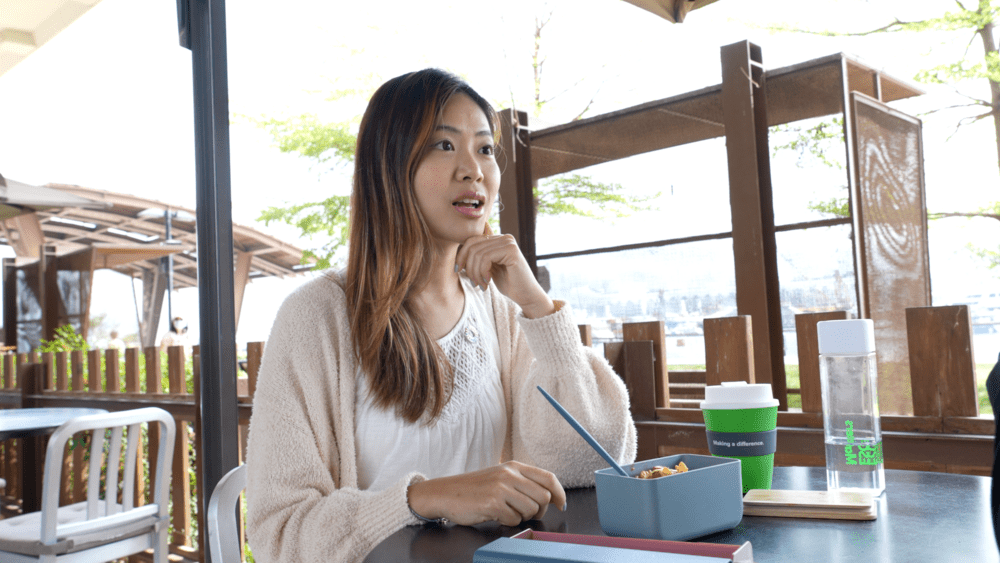
Plastic waste has long-term implications for nature and human health, stresses Natalie Chung, who is promoting reusable food and liquid containers and cutlery. SING TAO