The discovery of how exploding stars forge the chemical elements that make up our planet and human bodies has earned two astrophysicists the 2026 Shaw Prize in Astronomy.
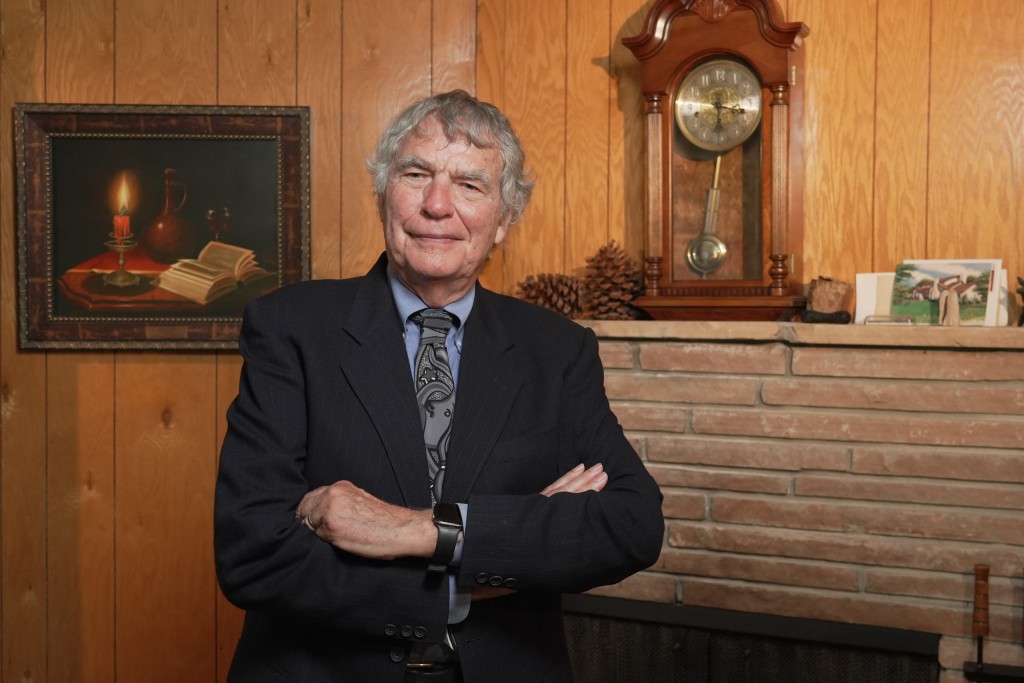
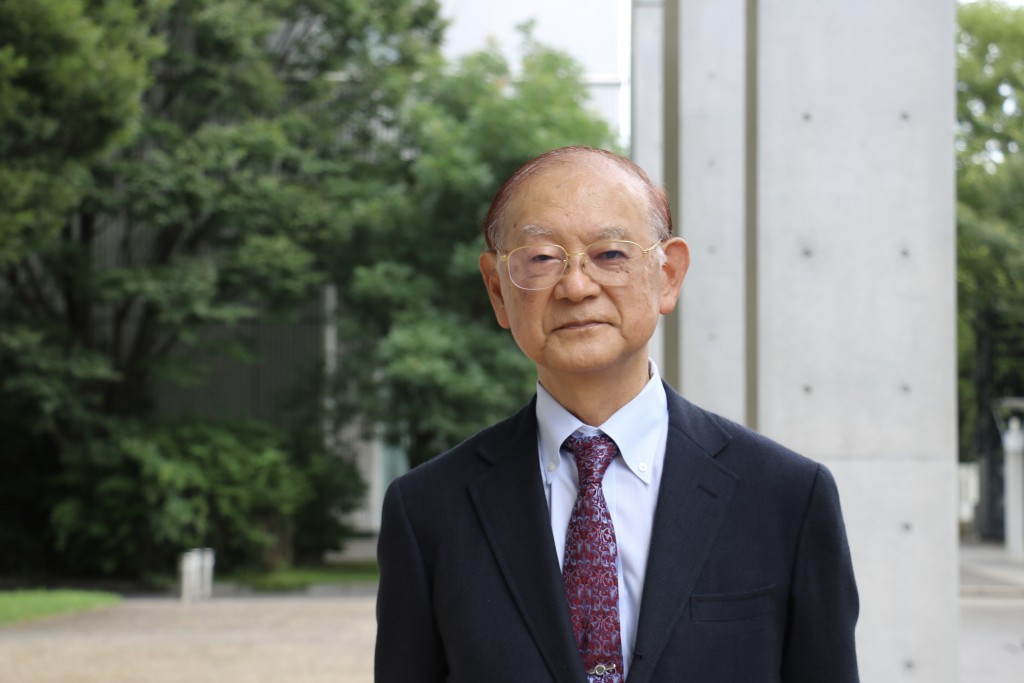
Ken'ichi Nomoto from the University of Tokyo and Stanford Woosley from the University of California, Santa Cruz, share the US$1.2 million (HK$9.36 million) prize for their lifetime studies of stellar explosions.
A supernova is a powerful stellar explosion that radiates in days about as much energy as the sun emits over its entire 10 billion-year lifespan.
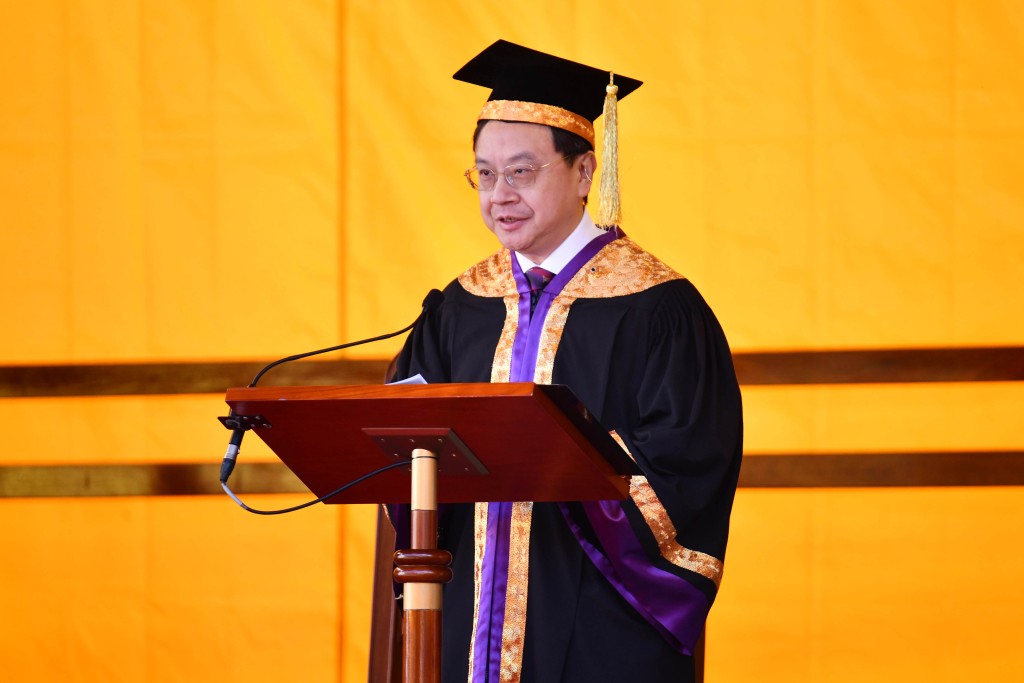
Heavier elements essential to life, such as the iron in human blood and calcium in bones, were forged in massive stars and ejected across space during supernovae, said Leung Po-kin, a senior lecturer in physics at the Chinese University.
“We give prizes to the few for the work of many,” said Woosley. “‘We are stardust’ they say, and Ken and I figured out exactly how that works."
'Jogging partners'
The two laureates have engaged in a friendly, cross-Pacific competition for 46 years since meeting at a conference in Texas in 1980.
"I often say Ken is my 'jogging partner.' Sometimes he is a bit ahead, sometimes I am, but we both run farther with the competition," Woosley said, adding that Nomoto and his wife gifted him an honorary red sweater when he turned 60.
Working almost entirely independently, the pair developed standard models for thermonuclear supernovae that allow the explosions to serve as "standard candles," according to the Shaw Prize citation.
Leung noted that this uniform brightness enabled astronomers in 1998 to measure cosmic distances and discover that the universe's expansion is accelerating.
Ken'ichi Nomoto
Cold War computers
Simulating a collapsing star decades ago required scavenged computing power at California's Livermore Lab, where Woosley ran punch-card code from shoe boxes on Cray 1 and 2 supercomputers alongside nuclear weapon simulations.
"To run a single presupernova star with modest zoning took weeks, during which I often slept on the floor at the lab," he said.
Leung noted that while Hong Kong's brightly lit skyline limits local stargazing, CUHK researchers have built high-precision instruments in local laboratories for telescopes in Chile's Atacama Desert, with future deployments planned for Greenland or Hawaii.
He added that the city's strong mathematical training and international connectivity make it a vital bridge between foreign astronomers and high-altitude observatory projects on the mainland.