Read More




Night Recap - November 18, 2026
8 hours ago



HKO warns of cooler weather as cold front crosses HK
18-11-2026 05:24 HKT
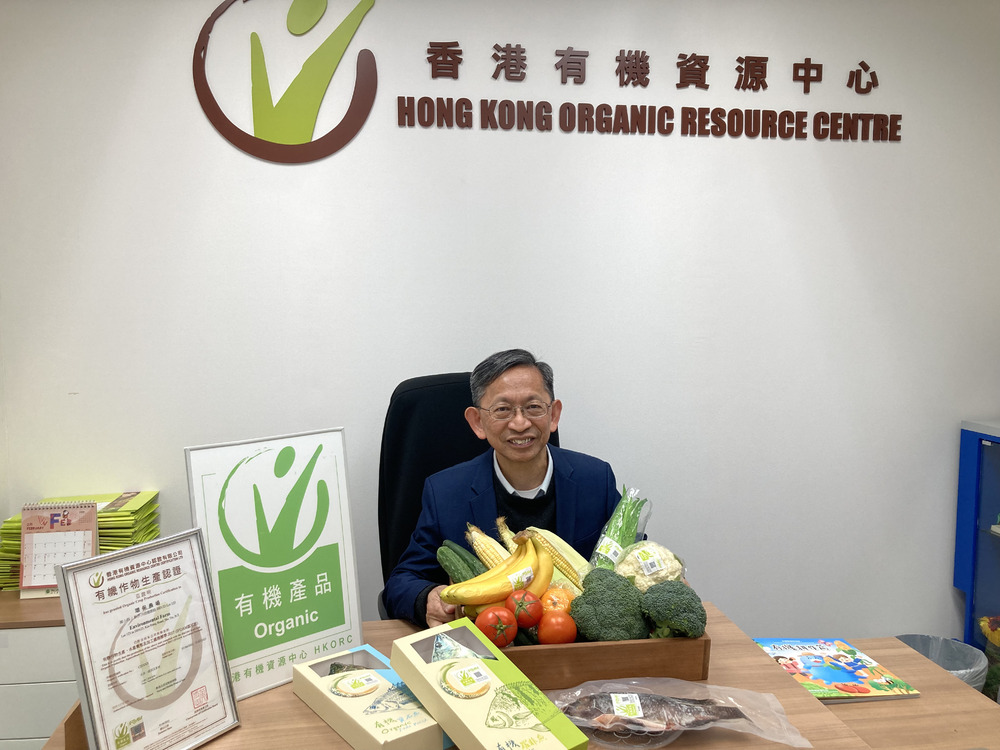
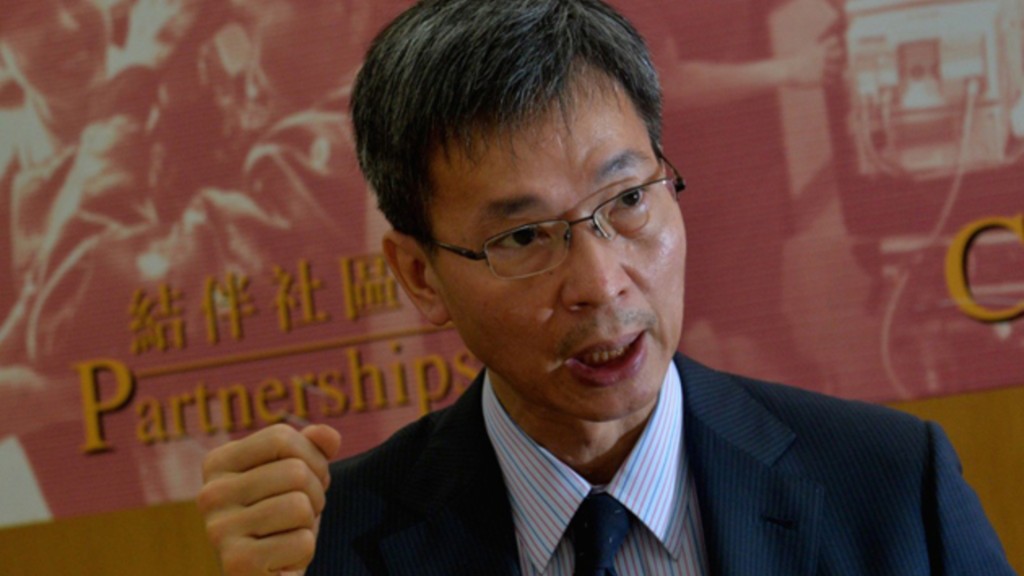
Hong Kong has lost 19 certified organic farms in the past eight years, said an organic farm expert.
In an interview with The Standard, Jonathan Wong Woon-chung, director of the Hong Kong Organic Resource Centre, said the farming system in Hong Kong is insufficient compared to the mainland, relying on traditional farming tools such as cultivators and hoes and manpower.
"Within the [farming] industry in Hong Kong, less than five of them have actually studied agriculture and farming," Wong said.
He said the number of certified organic farms in Hong Kong decreased from 149 in 2016 to 130 this year.
The reason is that farming land is only rented to organic farmers for a short period of time, which is insufficient for them to harvest their crops. "It usually takes five years in order for farmers to plant and harvest, but the land is retrieved by the land owners in three years. How could they possibly earn their income?" Wong said.
He added that the land owners have held up a lot of land that could be used for farming, making it challenging for farmers to sustain and develop.
Apart from the lack of farm land, Wong said another obstacle faced by the industry is that Hong Kong has not modernized its farming technologies in the past 20 years.
Local farmers only rely on their own experience and use technologies similar to the ones in the 1970s and 1980s.
He suggested that Hong Kong should coordinate with the Greater Bay Area and learn from mainland farmers, who use more advanced technology.
The Blueprint for the Sustainable Development of Agriculture and Fisheries released in December last year echoed the New Agriculture Policy implemented by former chief executive Leung Chun-ying back in 2017.
The blueprint provides a direction with clear numbers and targets for the agriculture industry to follow, Wong said.
"It mentioned that the annual production of vegetables is expected to increase significantly by four-fold from about 15,000 tonnes at present to about 60,000 tonnes within 15 years," he said.
With the blueprint, Wong hopes it could attract more talent and investment into the industry as well.
"With the blueprint, students who are studying farming and agriculture will believe their career prospects have become better," he said, adding that this could "attract students to study agriculture."
He hopes that the Organic Day to be held on March 3 at Chater Garden in Central will help Hongkongers to understand the industry better.
The event has gained more attention compared to 2008, when it was started.
"Back when Organic Day was first organized in 2008, we only had around 5,000 people coming, but last year, we had around 40,000 people coming to the event," Wong said.
Middle-class families have started to show an interest, Wong said, and they "tend to buy more organic products for their children as they put more emphasis on health, so they are willing to pay more."
marcus.lum@singtaonewscorp.com