Read More
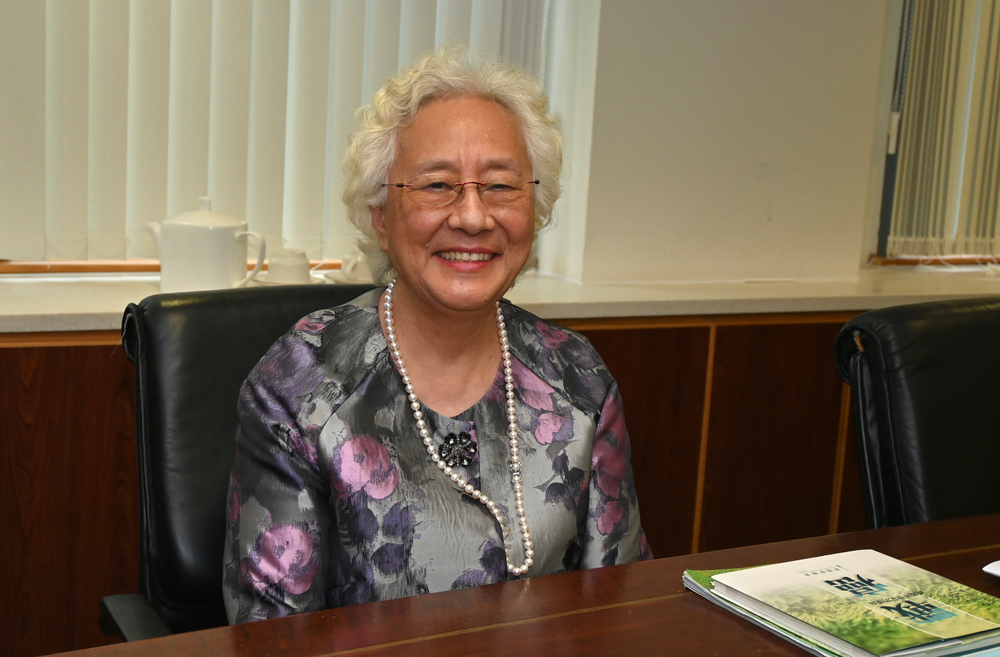
More Hong Kong women are getting cancer than men for the first time, Hong Kong Anti-Cancer Society chairwoman Patricia Chu Yeung Pak-yu said.
ADVERTISEMENT
SCROLL TO CONTINUE WITH CONTENT
Chu said yesterday more young women have been diagnosed with cancer nowadays, citing the huge pressure they face from both work and family commitments.
"According to the latest statistics in 2020, 34,000 new cancer cases were recorded in that year, meaning over 90 cases were detected in the SAR every day," she said.
Chu also said there had always been more male cancer patients than female ones in the past, but the cancer rate among women has surpassed men for the first time in 2020.
"Women nowadays have to take care of both housework and their job, so they are under huge pressure," she said.
"There are also more women drinking and smoking," she said.
"Another reason for the increase in younger cancer patients is that more young women are getting physical examinations so their illness can be detected earlier," she added.
Chu said the society used to help mostly elderly patients but was now helping more and more younger patients who are in their 40s or 50s.
"These younger patients know how to search for information online and they would come to us, and we are offering services depending on their demands," she said.
According to Hospital Authority statistics, Chu said, the most common cancers in Hong Kong are that of the colon, lung and breasts.
Chu urged the government to increase taxes on alcohol in the upcoming policy address to reduce the risk of people getting cancer from drinking.
"The smoking rate among Hongkongers has dropped, but many people are still not aware that drinking alcohol is also a factor that leads to cancer," she said, stressing the point that the society has stopped offering alcoholic beverages at all of its charity functions.
The society has raised HK$500 million to help subsidize treatment for some 7,000 cancer patients.
However, it experienced difficulties during the Covid-19 pandemic relying just on charity funds and donations, she said, appealing to the government to set up an anti-cancer fund with at least HK$1 billion.
"The authorities do not have to allocate public money to anti-cancer organizations every year, but it would be a good thing if the government can provide some resources for organizations in need so that they can apply for them," she said.
"Then, they can have more time to improve their services as they no longer have to raise funds by themselves."
Chu said the society collaborates with the Hong Kong Jockey Club in supporting cancer patients, arranging nurses and social workers to assist those in need and help them assess their health condition before referring their cases to doctors.
The society would also help patients apply for subsidies and provide hospital beds and wheelchairs for them, as well as offer counseling services and invite cancer patients to share their experiences.
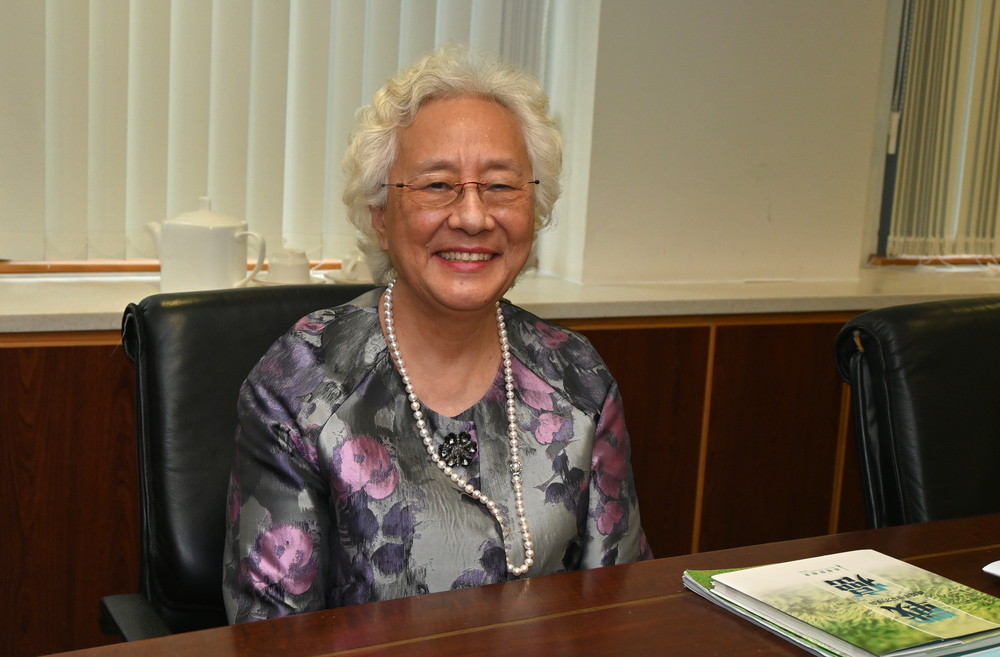
Patricia Chu