Read More

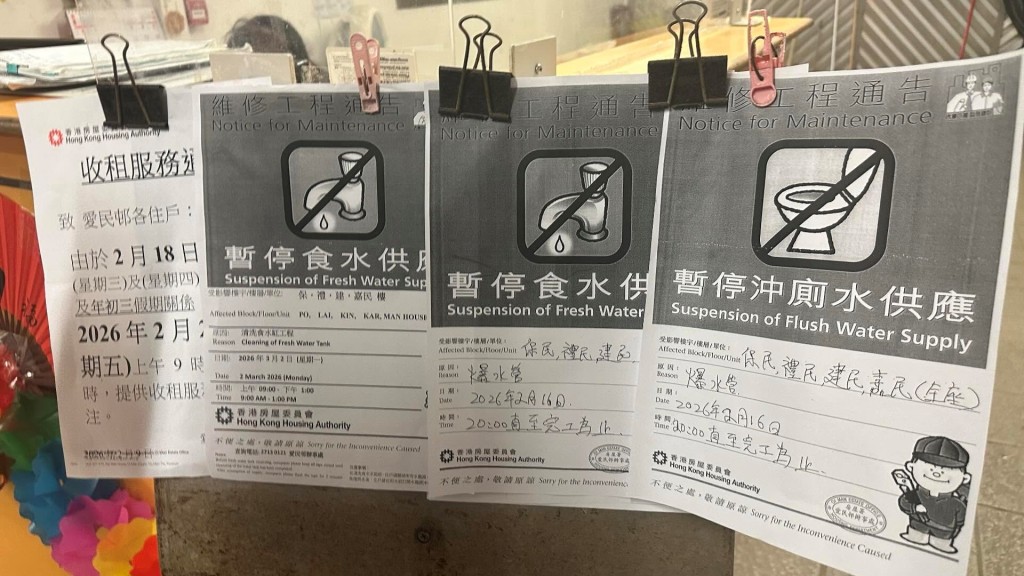
Water supply cut for thousands in Ho Man Tin estate over Lunar New Year
17-02-2026 00:45 HKT
Night Recap - November 26, 2026
2 hours ago





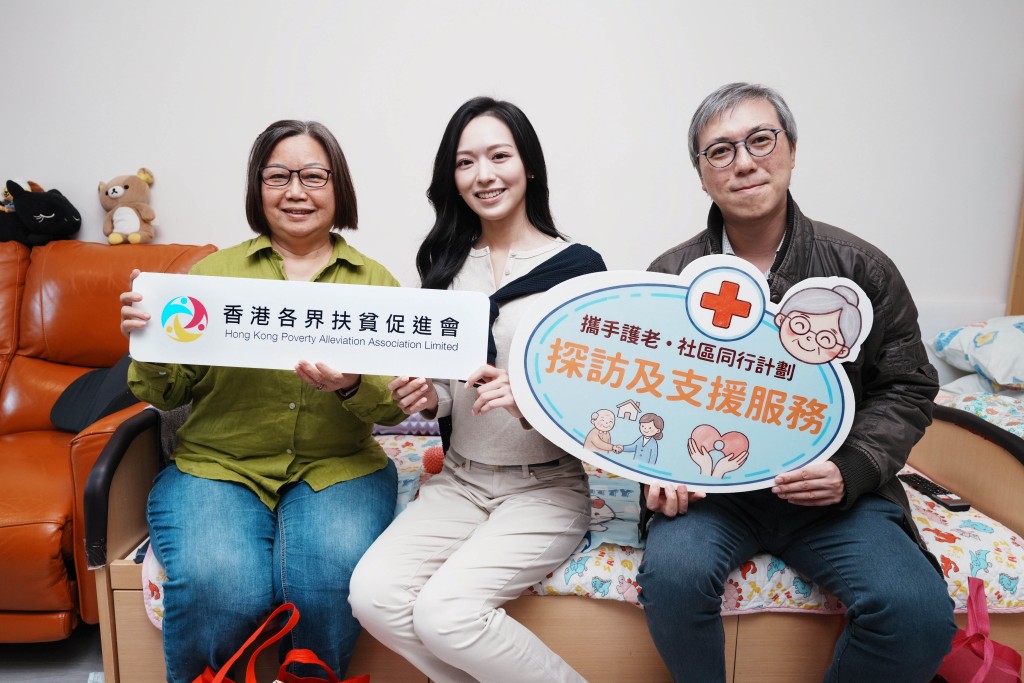
The Hong Kong Poverty Alleviation Association, in collaboration with the Community CareAge Foundation, has launched a one-year elderly care initiative, commencing with a home visit at Oi Man Estate in Ho Man Tin on Thursday.
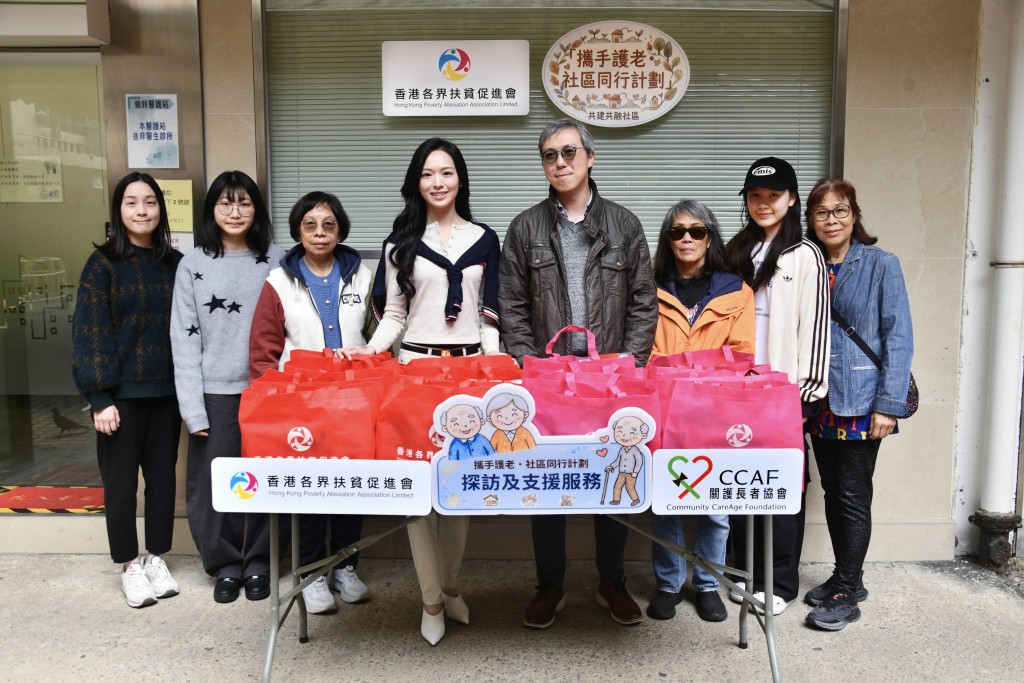
Actress Crystal Fung Ying-ying, representing the association, and CCAF chief executive Leung Chun-hong joined volunteers on the visit. The team called on 16 older households, conducted health risk assessments, and distributed gift bags.
The team included nursing students from The Polytechnic University and registered nurses from the foundation. At the homes, they checked residents’ blood pressure and grip strength. Some residents who live alone told volunteers they use water bottles as weights to build muscle strength. Others learned how to read food labels.
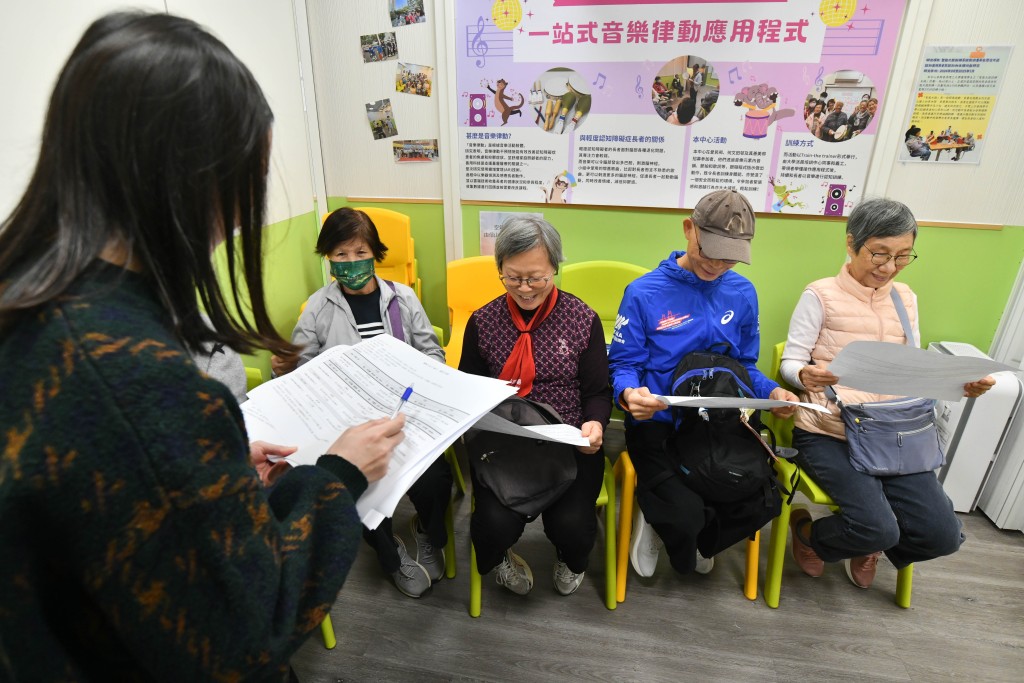
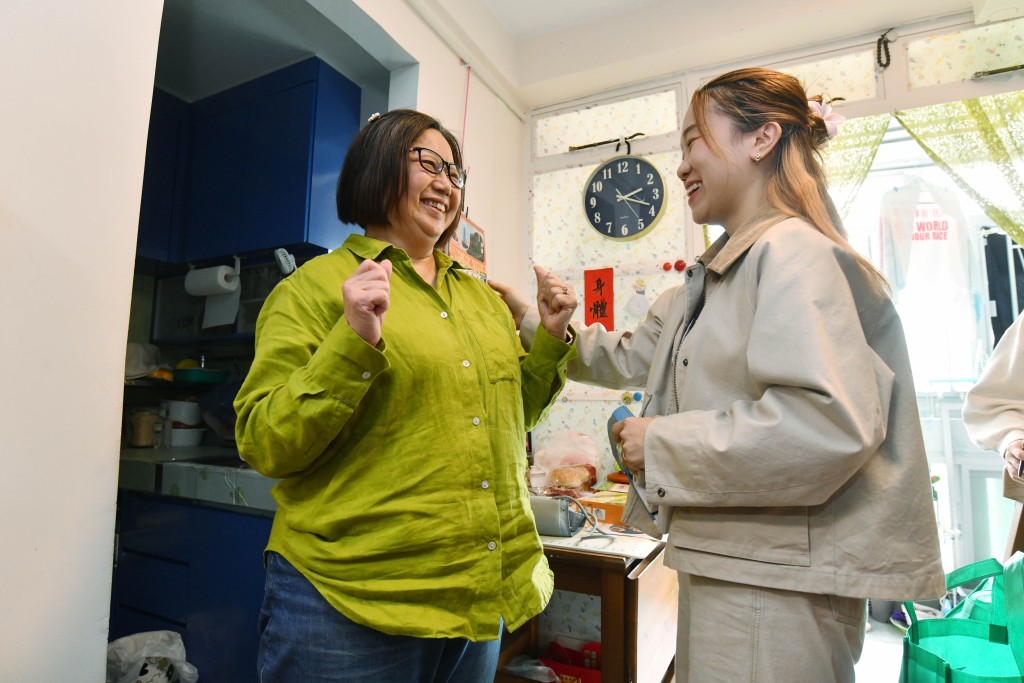
Drawing on her nutrition knowledge, Fung advised residents to get sufficient protein and vitamin D to support muscle and bone health. Meanwhile, Leung encouraged them to go out more often, join community activities, and connect with others.
Fung told Sing Tao Daily, The Standard’s sister publication, that residents living alone often have limited social interaction. After speaking with volunteers, some agreed to visit community centers and take part in activities more often. She also praised the elderly for their knowledge of monitoring blood pressure and supporting bone and muscle health through diet.
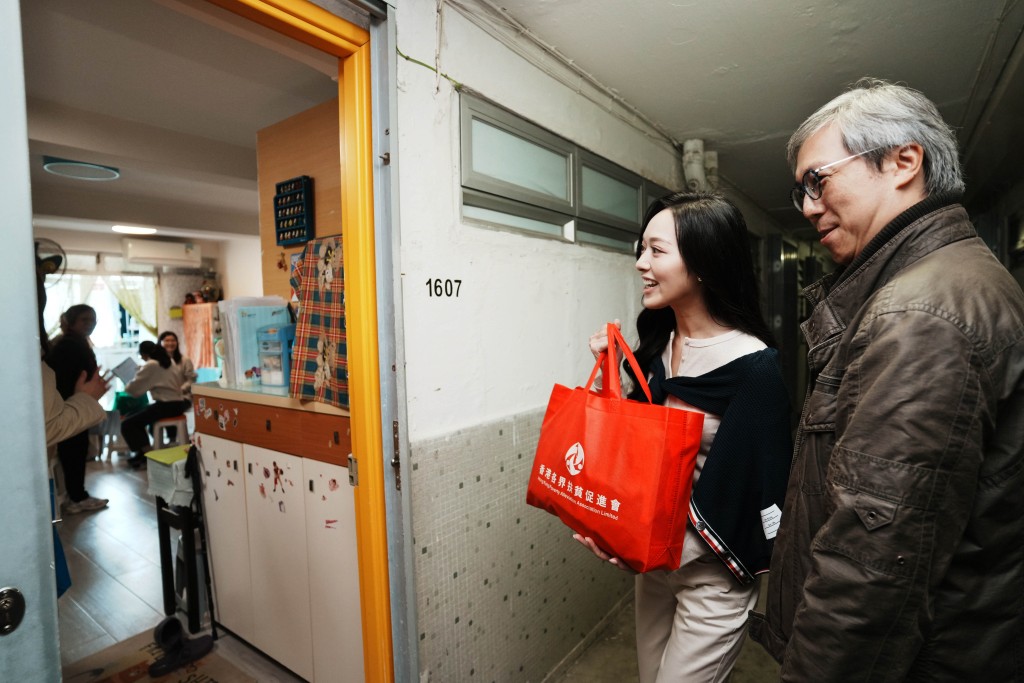

Leung said the initiative combines community outreach with professional healthcare expertise, addressing daily health needs that gift-focused visits may miss. He added that the program aims to help residents build habits for managing their own health so they can continue caring for themselves after visits end.
Over the next year, the program will support people aged 60 and above who live in public housing and have limited social support. It aims to improve their quality of life and strengthen their connections to the community.
The program also recruits and trains dedicated volunteers to conduct monthly mobile health screenings in public estates, alongside home visits, health risk assessments, and referrals. The services are intended to identify health needs early and reduce the risk of hospitalization.
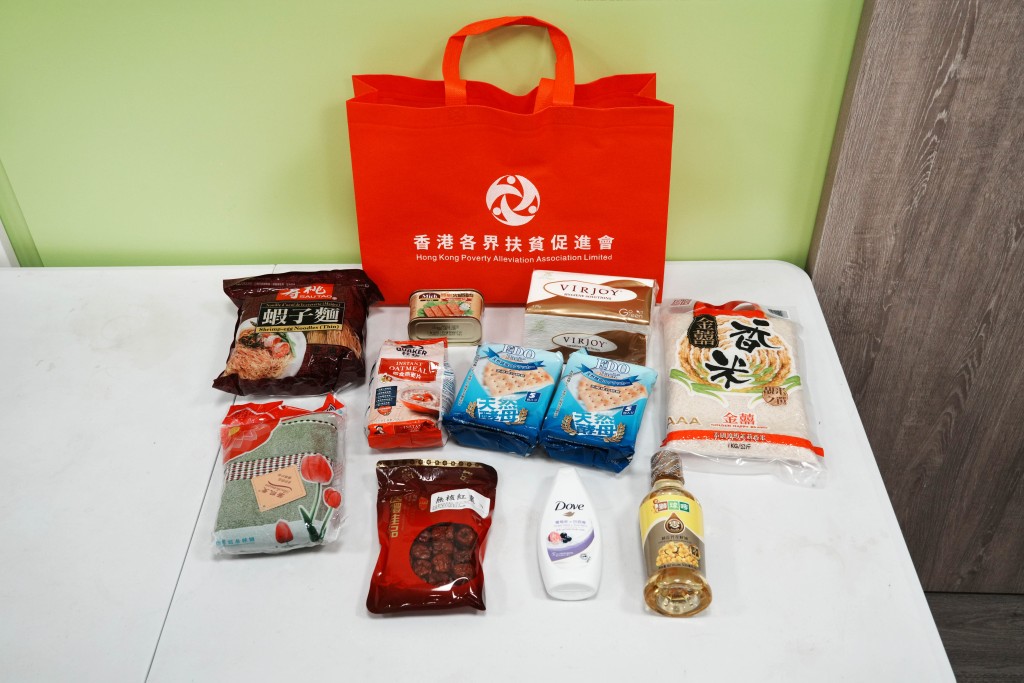
As for the gift bags, they were packed with food and household essentials such as cooking oil, shrimp noodles, bread, red dates, rice, oats, and luncheon meat.