
Read More
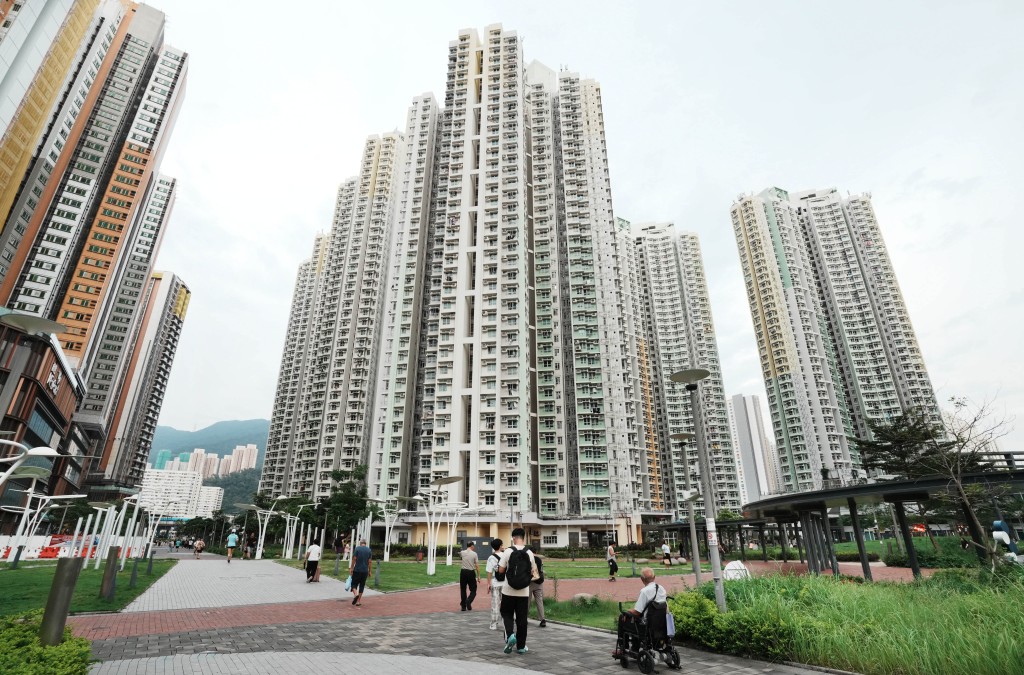
Hong Kong's average waiting time for public rental housing has fallen to 4.4 years, marking its sharpest decline in recent years.
ADVERTISEMENT
SCROLL TO CONTINUE WITH CONTENT
According to the Housing Bureau, this latest figure represents a decrease of 0.4 years from the 4.8 years recorded in June.
It is the first time in a decade that the wait has dropped below the 4.5-year mark, representing a total reduction of 1.7 years from the peak of 6.1 years seen before the current administration took office.
The Housing Bureau attributed the downward trend to a steady rise in overall public housing production and the successive completion of various traditional and Light Public Housing projects, which have gradually cleared long-standing backlogs.
Officials expressed confidence in meeting the government's policy target of lowering the combined average waiting time to 4.5 years by the 2026/27 financial year.
To support this progress, public housing production has reached a 25-year high.
Over the next five years, the government expects to deliver an annual average of more than 35,000 public housing units, including traditional rental flats and subsidized sale homes.
This represents a 73 percent increase compared to the five-year forecast at the start of the current term.
The Light Public Housing initiative has also advanced ahead of schedule.
As of mid-November, nearly 29,800 temporary units have been completed, with the final school-conversion projects slated to open in the first quarter of next year to complete the 30,000-unit target in just over four years.
In the third quarter of 2026, about 11,200 general applicants—consisting of families and elderly single individuals—were allocated homes. This included approximately 3,100 newly built traditional flats, 2,700 recovered flats, and 5,450 Light Public Housing units.
Over the past year, the combined quarterly supply of traditional and Light Public Housing units has averaged 8,200, which is double the quarterly average before the current government took office.
While general applicants allocated traditional public housing faced an average wait of 5.3 years, those who accepted Light Public Housing units waited an average of only 2.8 years, demonstrating the critical role of temporary housing in offering swift relief.
The overall queue for public housing has also shrunk to its lowest level in 15 years. By the end of September, general applications fell to approximately 96,100, marking a nearly 40 percent drop from the peak of 156,400 in September 2020.
This is the first time since 2012 that the general queue has fallen below the 100,000 mark, showing that efforts to accelerate flat turnover are yielding tangible results.