Read More



John Lee joins citizens for fun-filled Sport for All Day
03-08-2025 18:33 HKT

Night Recap - October 19, 2026
1 hour ago
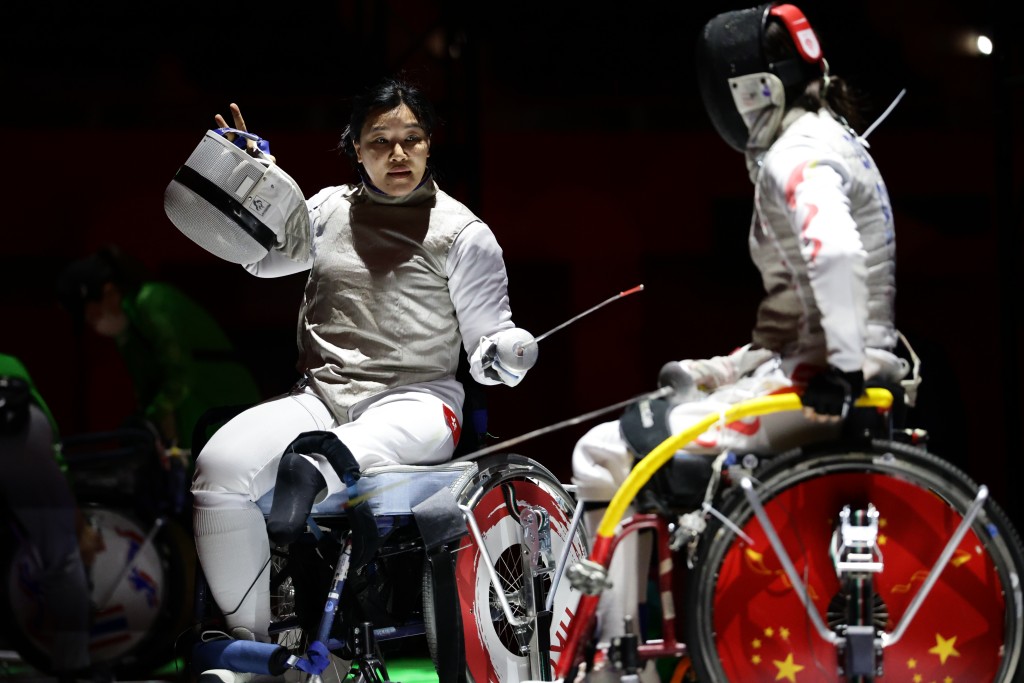


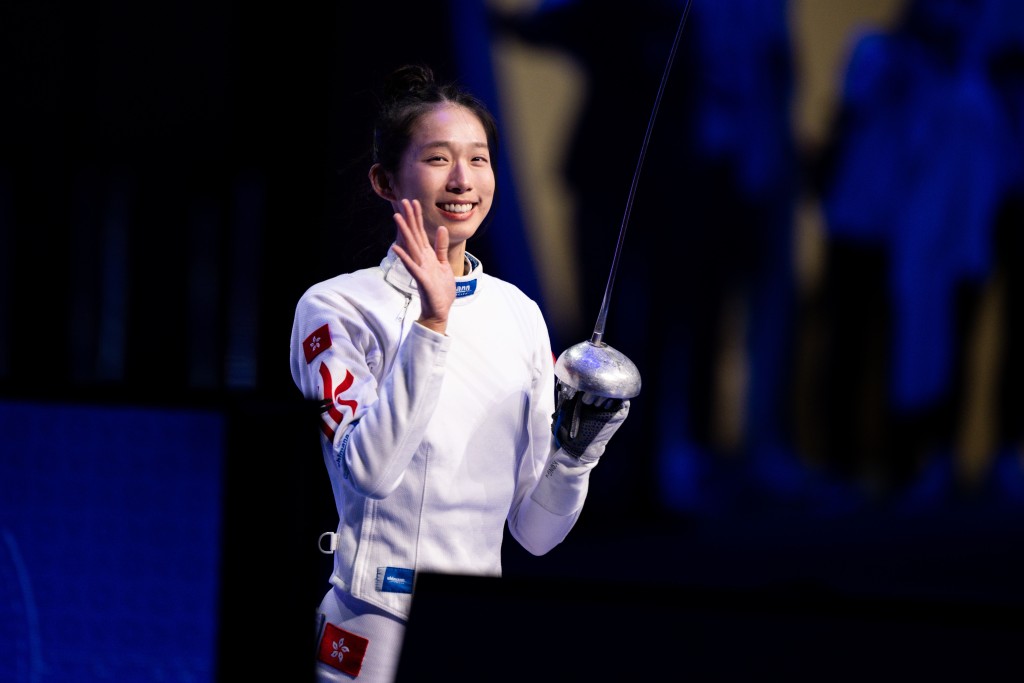
An optimized elite sports training system would not only sharpen Hong Kong athletes' competitive edge but also serve as the city's strongest soft-power showcase on the global stage, said athlete-turned-lawmaker Vivian Kong Man-wai.
Her remarks came ahead of a Legislative Council debate on Wednesday regarding a motion to improve elite sports training and support systems, following Hong Kong's historic 54-medal haul at the 20th Asian Games.
In an interview with Sing Tao Daily, the sister publication of The Standard, the former Olympic fencing gold medalist expressed strong backing for sustained advancements in athlete development and institutional support.
"Athletes competing for the city are, in fact, the best advertisement for its ability to nurture sports talent and for its soft power," she said.
Kong explained that athletes' performances on the international stage directly raise Hong Kong's global profile and strengthen residents' sense of belonging and pride.
She further laid out four goals for elite sports training, which included producing top athletes to lift Hong Kong’s standing in world sports, and showcasing its talent-nurturing strength.
Elite athletes, meanwhile, can inspire young people to take up sports, drive mass participation and build social cohesion and pride, she said.
With elite sports as the anchor, she said, Hong Kong can promote community sports, remain a hub for major international events, raise professionalism and build sports as an industry—improving athletes' post-retirement pathways and creating a sustainable talent cycle.
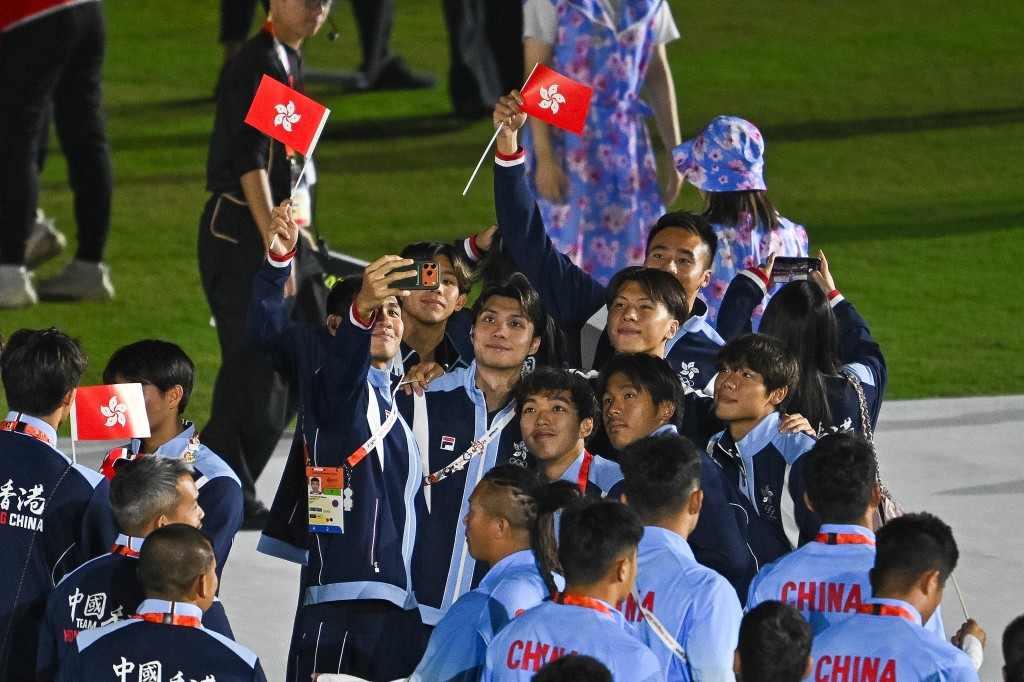
Addressing resource allocation, Kong noted that elite sports funding has traditionally focused on maximizing returns by investing primarily in competitors and disciplines with the highest probability of securing major international medals.
Looking ahead, she urged authorities to expand this approach comprehensively by advancing talent pipelines, sports science research, venue infrastructure, Greater Bay Area cooperation, and global sporting influence in tandem.
She placed special emphasis on early talent scouting and dual-track educational pathways that balance rigorous training with academic study, ensuring that full-time athletic careers remain a viable and secure choice for young talent.
To modernize training regimens, Kong recommended deeper integration of sports science, including biomechanical analysis, physiological tracking, tailored nutritional planning, and psychological counseling.
She also called on the government to pursue bids for major international competitions and implement a hybrid training model combining domestic facilities with overseas training camps to secure sufficient high-performance training grounds.
She also recommended that the government explore building training bases with GBA cities to create more competition and exchange opportunities.
International sporting influence, she said, is the key step in turning sports soft power into real clout.
She urged the government to court international sports bodies into opening regional headquarters or offices in Hong Kong to nurture local talent as committee members and referees—giving the city more say over competition rules, resources and major-event bids.