
Read More
A leading professional housing organization has raised concerns over the government's proposed limits on proxy voting in building management, arguing that preventing forgery and embracing digital authentication are far more effective than putting a cap on the number of votes a single person can hold.
ADVERTISEMENT
SCROLL TO CONTINUE WITH CONTENT
Flaws in proxy limits and potential operational chaos
The discussion comes after the public consultation period for amendments to the Building Management Ordinance closed last month. Under the government's new proposals, an individual would be restricted to holding proxy votes representing no more than two percent of the total units in a development, or a maximum of twenty units.
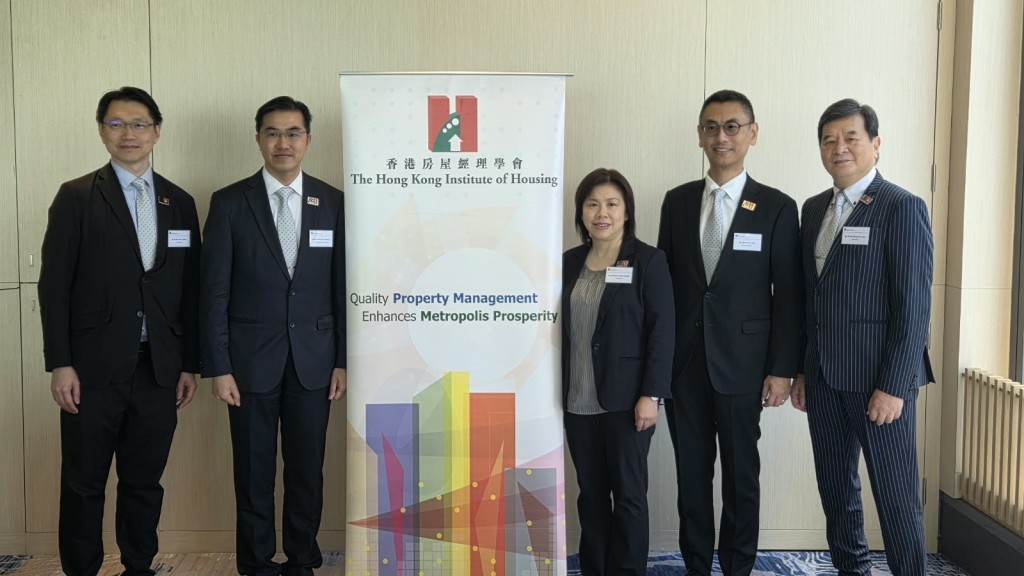
Speaking at a media gathering on Thursday, Evelyn Wang Po-chun, the president of the Hong Kong Institute of Housing, explained that simply limiting the volume of proxy votes would not stop determined actors from exploiting the system, as they could easily distribute the excess votes among multiple accomplices.
The institute, which represents over five hundred members who contributed to its official submission, emphasized that the core of the proxy vote issue lies in verifying their authenticity rather than restricting their number.
Wang pointed out that enforcing limits would create practical nightmares during actual meetings.
She noted that if an individual was found to exceed the limit during a vote, organizers would face the difficult task of deciding which proxy votes to invalidate, especially since different units often carry varying shares of ownership.
Embracing digital verification and security
Instead of strict limits, the institute recommends leveraging technology to resolve proxy disputes. Wang suggested that authorities should look toward long-term solutions, such as utilizing the government's "iAM Smart" mobile application and personal QR codes to verify property owners' identities, while also exploring the feasibility of electronic voting.
To curb the abuse of proxy documents, the housing experts believe that law enforcement should take the lead in cracking down on fraud and forgery. This approach would protect the legitimate rights of elderly residents, individuals with mobility issues, and overseas owners who genuinely need to delegate their voting power.
Furthermore, the institute believes that other proposed measures—such as requiring proxy forms to be submitted to building management committee secretaries at least ninety-six hours before a meeting and publicizing the list forty-eight hours in advance—are already robust enough to manage potential proxy issues.
Concerns over procurement thresholds and service disruptions
The institute also expressed deep reservations regarding another proposed amendment that introduces a mandatory physical attendance and voting threshold for major routine service contracts.
These include essential daily operations such as security, cleaning, fire safety systems, and elevator maintenance.
Anthony Yau Kam-fai, the last president of the institute, warned that property owners are generally unlikely to attend meetings in person if they are satisfied with their current service providers.
Introducing a strict physical attendance requirement could lead to failed bids for essential contracts, directly disrupting daily building services.
The institute argued that since the transition period for previous legal amendments is still ongoing, the government should gather more data before implementing these new voting thresholds.
Additionally, they recommended the establishment of a mandatory maintenance fund, allowing owners to set aside money from monthly management fees to ease the financial burden of future major repairs.