

Read More
The Food and Environmental Hygiene Department (FEHD) is studying the use of unmanned aircraft for automated street cleanliness inspections and the release of Wolbachia-carrying male mosquitoes for the prevention and control of Aedes albopictus.
ADVERTISEMENT
SCROLL TO CONTINUE WITH CONTENT
According to a document submitted to the legislative council, the move is part of an effort to leverage technology to enhance environmental hygiene. Trials will be conducted when conditions permit.
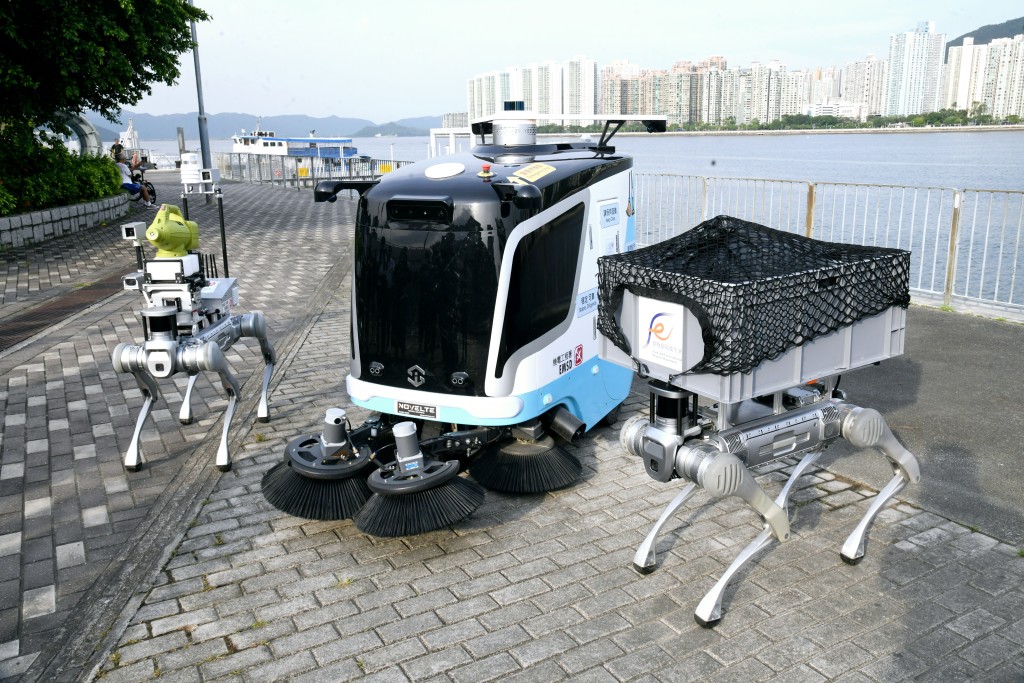
Since mid-June, the FEHD has been testing the use of automated sweeping robots for pavement cleansing at Ma Liu Shui waterfront in Sha Tin, with plans to extend the trial to other suitable locations in early 2026.
The authorities are considering introducing two to three robot dogs to assist mosquito control, aiming to replace manual operations in carrying out fogging operations.
Meanwhile, the FEHD has been installing IP cameras on the central reservations of a number of traffic roads specifically to capture instances of drivers or passengers littering from vehicles.
With the evidence captured by the cameras, the FEHD has prosecuted the offenders involved in 81 cases as of the end of August. Among these, 23 have led to successful convictions.
Furthermore, the government will expand its network of IP cameras from 500 to more than 1,500 locations in the coming year. A key part of this expansion is a severalfold increase in cameras installed along central reservations.