Read More
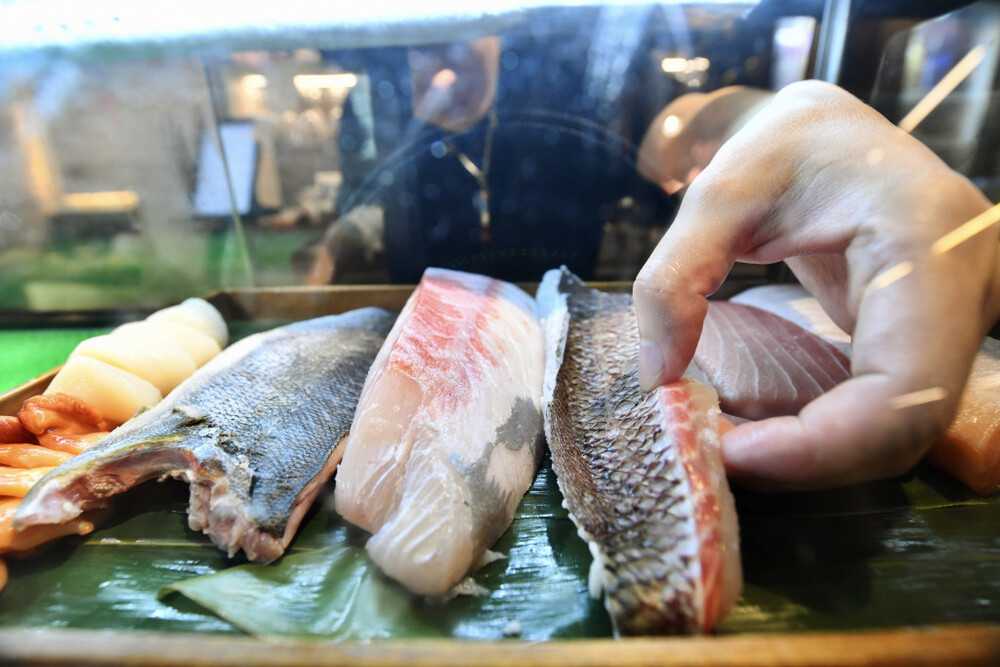
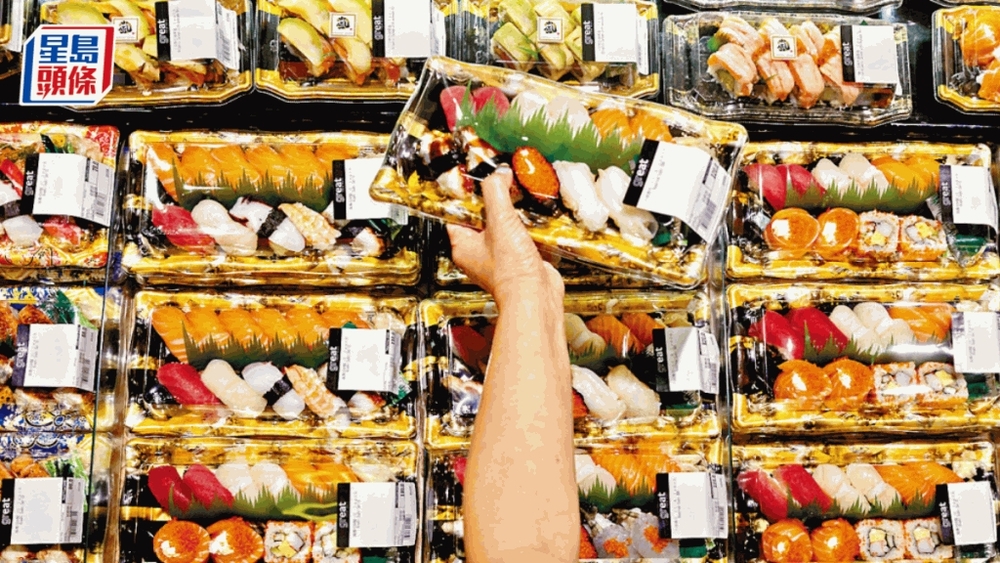
Japanese restaurant owners in Hong Kong are grappling with a looming ban on seafood imports from 10 Japanese prefectures because of Tokyo's plan to release treated water from the crippled Fukushima plant into the sea from Aug. 24.
ADVERTISEMENT
SCROLL TO CONTINUE WITH CONTENT
Hong Kong is Japan's second largest market, after mainland China, for agricultural and fisheries exports.
Halry Yu, 42, owner of Japanese restaurant Hassun, said more than 90 percent of seafood sent to Hong Kong is gathered in Tokyo. “If the government ban imports that come via Tokyo, I think all sushi restaurants in Hong Kong will be in trouble. There are some seafood supplies from Osaka, but variety is limited.”
Yu expects a loss of up to 40 percent for his restaurant from the ban and said he would try to salvage business by adding more meat to the menu.
"Meat will become the main theme of the menu. We will start putting barbecued skewers and fried food on our menu that we never had before, to keep the operation running."
The SAR government said it would suspend exports from Fukushima and nine other prefectures if Japan went ahead with the plan, which includes live, frozen, refrigerated, dried aquatic products, sea salt and seaweed from Tokyo, Chiba and Saitama, etc.
Advertising executive Hilda Lee, 30, said she enjoys eating Japanese seafood, and dines at Japanese restaurants two to three times each month.
"I am a bit worried. But I will choose to still eat it. The Hong Kong government should have very strict control over the imports of seafood," Lee said. "They will conduct a lot of testing and ban those deemed problematic."
Some customers remained cautious. Dino Leung, 30, a lifeguard who was eating at a Japanese restaurant in Hong Kong's Wan Chai district, said he would eat other cuisines instead.
"I'm afraid," Leung said. "I will try to consume less, but Japanese food is really good."
Japan has asked Hong Kong officials not to tighten restrictions on food imports. In 2022, Japan exported 75.5 billion yen ($536 million) of fishery products to Hong Kong, according to government statistics.
(Staff reporter and Reuters)
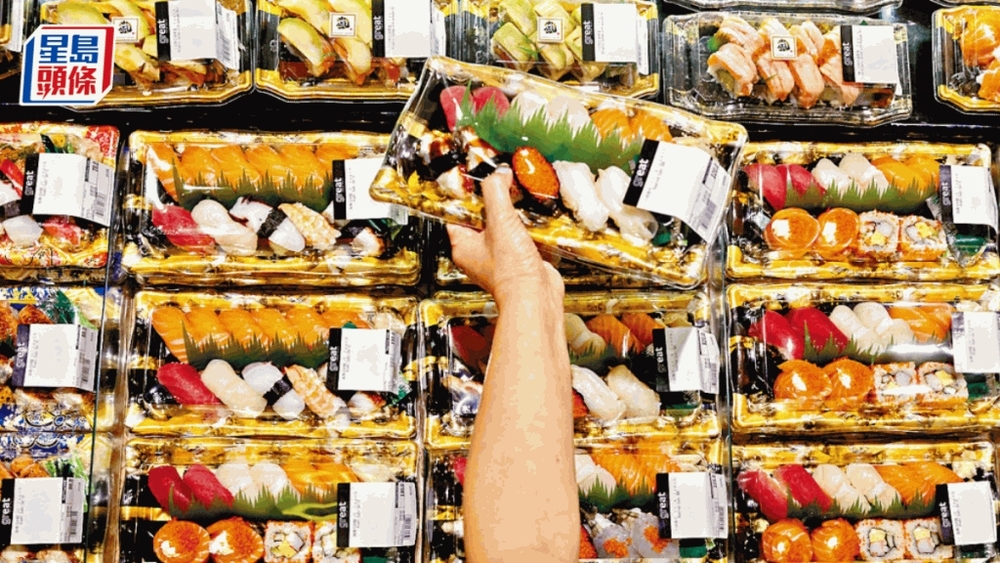
File Photo