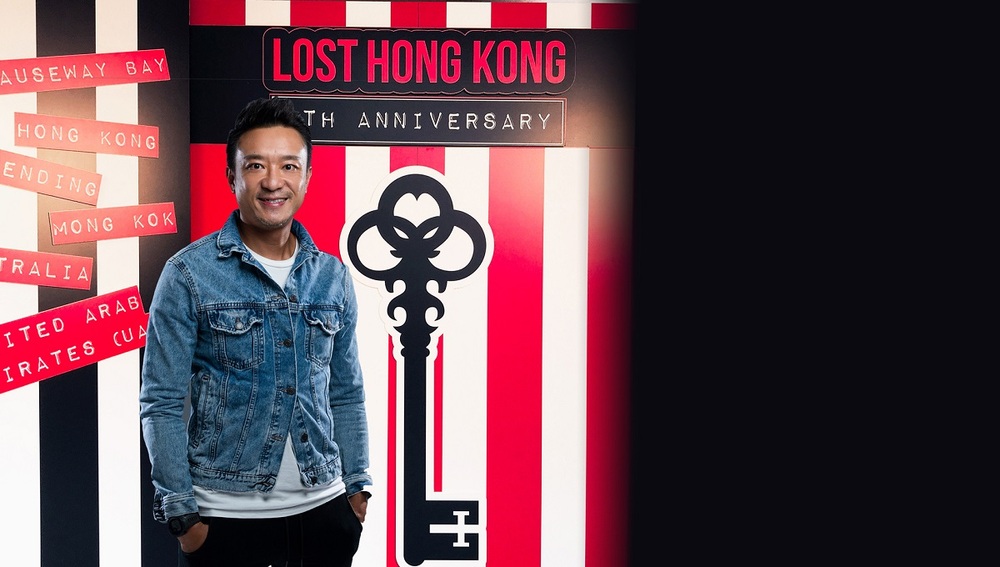
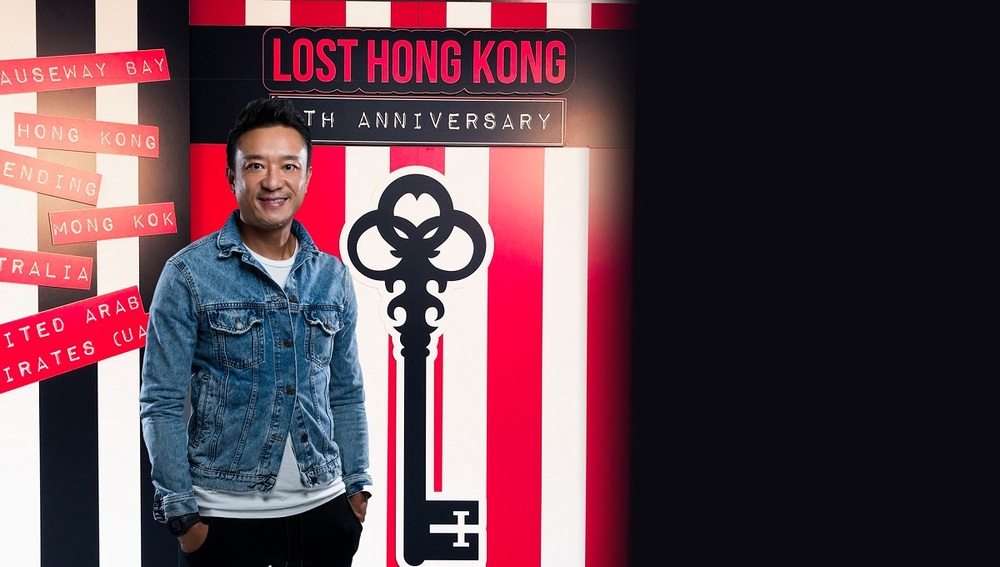
Born and raised in Hong Kong, Lost founder Rick Woo grew up with entrepreneurship in his blood and knew early on that he wanted to start his own business.
ADVERTISEMENT
SCROLL TO CONTINUE WITH CONTENT
His father owned an electrical business and was keen for Woo to join him when he was 18. Woo initially agreed but then realized that he was not suitable for the role, prompting him to take distance-learning courses.
"The day I graduated, I wanted to start a business because I preferred to work with - rather than for - someone," he said.
While father and son did not always see eye to eye, Woo respected and admired his dad, especially how he treated people.
"I found out that he treated others like his brothers and I feel that when you do a business, you need to start a strong network and people to support you," Woo said. "In order to get people to support you, you have to make sure that you have sincerity."
Woo knew he had a lot to learn before he could build his own business, so he joined a mobile services company in 2000. "It was not a big company, but because I reported to the chairman and CEO, he taught me a lot. It was just like taking an MBA course every day."
By 2002, the company was listed. Said Woo: "I was the youngest name in the prospectus because I was just 26."
He also started a job recruitment platform that year. "One thing I learned from running the business as a one-man band was that partnership was important. I understood that I was not very strong or sensitive to financial figures, so I needed people to help me look after this," said Woo.
His early achievement came with a lot of hard work and sacrifice, but Woo was willing to put in the work as it was a role he enjoyed.
He stayed with the company until he was 30 before moving on to a role in Melbourne in 2008, but the city was too slow for the entrepreneur. So he returned to Hong Kong two years later at the invitation of a childhood friend to start a mobile-development service.
"My friend in Hong Kong was starting up Four Direction and was looking for a partner. He knew that I had started my own business a long time ago," said Woo. "At that time, we were top three or four in the Hong Kong market, because we got a lot of big projects with local banks and the government."
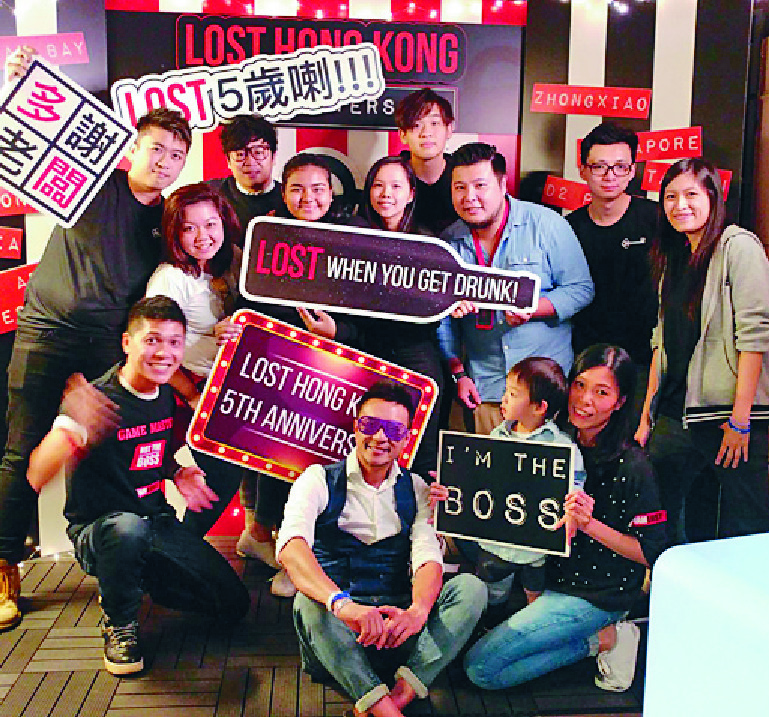
During a trip to Taiwan, Woo stumbled upon an escape room. While he didn't enjoy the experience, he was inspired to improve upon the model. That was the genesis of the Lost escape rooms in 2013.
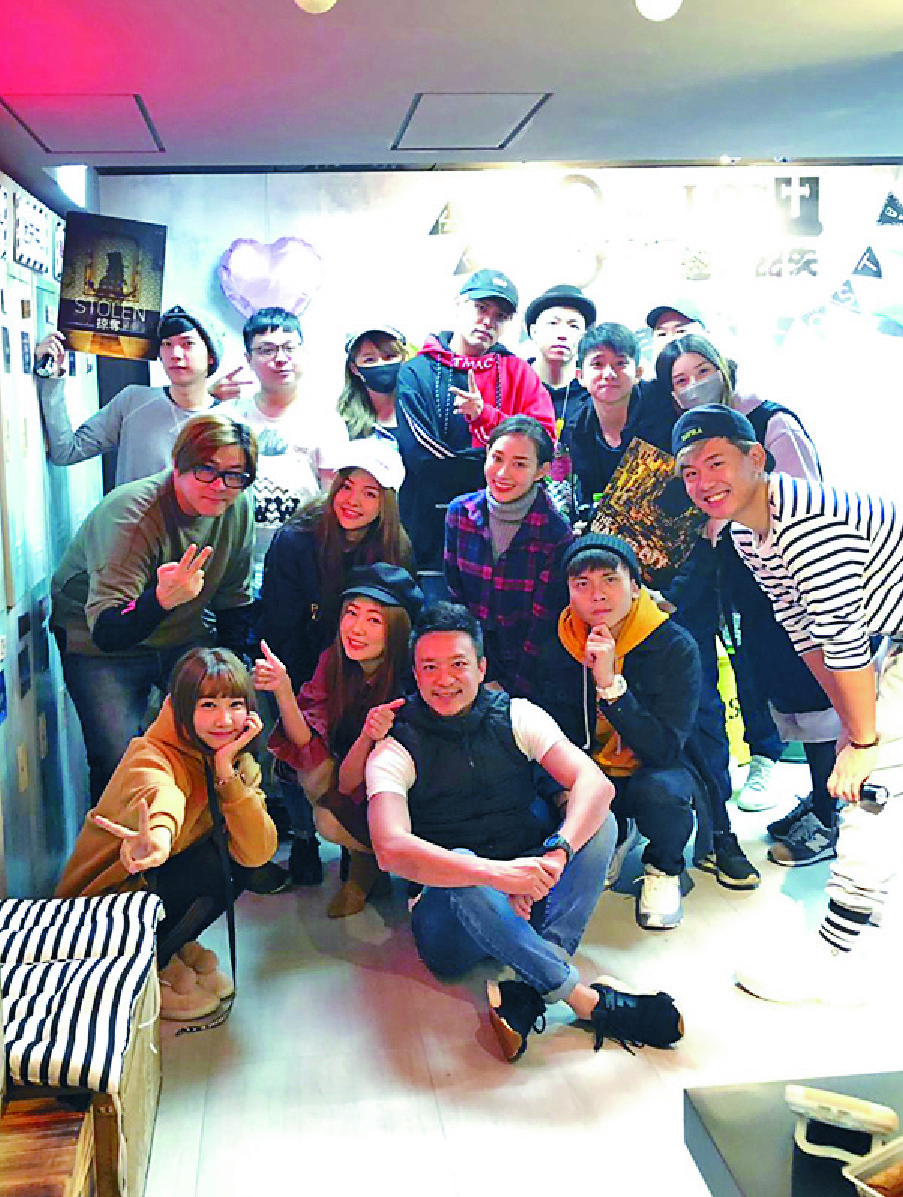
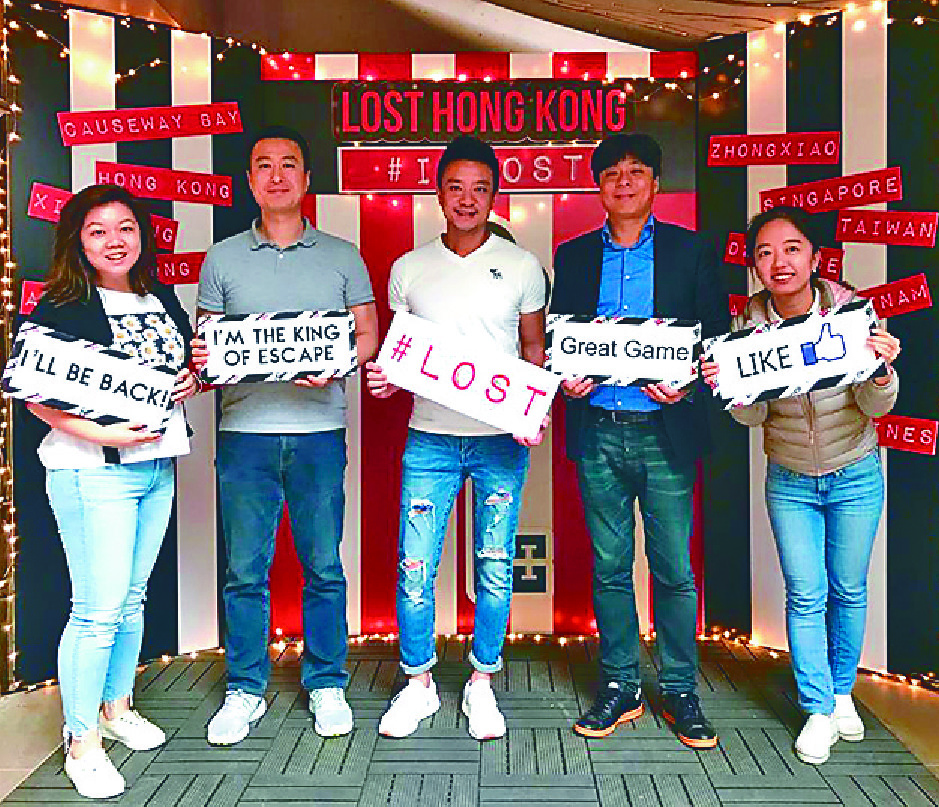
In the nine years since its establishment, the Lost brand has expanded to 14 outlets in places including Hong Kong, Australia, Taiwan, the Philippines and Abu Dhabi. The escape room games are localized to their destinations so they cater to their audiences better.
He also built multiple brands under the Lost name with different needs - targeting a younger audience or company team building, for instance.
"Microsoft was having its team building in our Causeway Bay branch. When I went up the stairs I could already hear kids shouting and yelling from the room," said Woo as he recalled the embarrassing story.
It turned out that the team building took up only half of the venue and the rest was occupied by youngsters who were enjoying the game even though they could not complete it. "Those kids loved the game. So why not design a venue that is suitable and catered to them?"
And so Lost Junior was born, combining STEM education into gaming sessions so children can learn and play at the same time.
Woo attributes his success with Lost to the idea of gamification and how he applies it to everything from education to entertainment.
"Gamification is all about the experience," said Woo. He believes that it is also a way to send embedded messages as people tend to be more attentive when it is more fun.
Not only does he try to provide the service in his own storefront, but he also collaborates with and brings escape games into other venues such as schools and hotels.
His newest project involves bringing the escape game into the virtual world.
"During the past nine years, we have been doing a lot of gamification, from corporate, schools and hotels to retail clients and branding. Even our own escape game is all about gamification. So I was thinking we could create an OMO, or online merge offline model, set in the metaverse."
The ambitious founder aims to create an online ecosystem where players would not only enjoy a virtual escape room experience but also adopt NFT and endorsement models to create a play-to-earn and play-to-learn experience for children and adults alike.
He is also planning to launch a platform allowing players to design their own escape games for fellow players in the metaverse. Popular games will be published by the brand in the market and creators would get royalties in return.
Having started multiple successful businesses, Woo has this advice for budding entrepreneurs: "Do what your ability allows you and not what the market needs."