There is a moment, descending into a coal mine, when the elevator drops so fast your stomach stays behind. Minutes later, you are 320 meters underground – the deepest tourist route in Europe – walking corridors where miners once hacked coal from the rock face. Then you turn a corner and find a concert hall. Chandeliers. A stage.
This is Poland in a nutshell – a country that has learned to build its future out of the very things that once defined its past.
A nation that would not die
In the 16th century, the Polish-Lithuanian Commonwealth was one of Europe’s largest and most powerful states.
Then came centuries of attack and partition: By 1795, Poland had been wiped off the map entirely, divided between Russia, Prussia, and Austria, and did not reappear until 1918. Independence lasted barely two decades before Nazi Germany and the Soviet Union invaded in 1939.
Few countries have been so repeatedly broken, and few have rebuilt themselves so stubbornly.
Krakow: the old capital
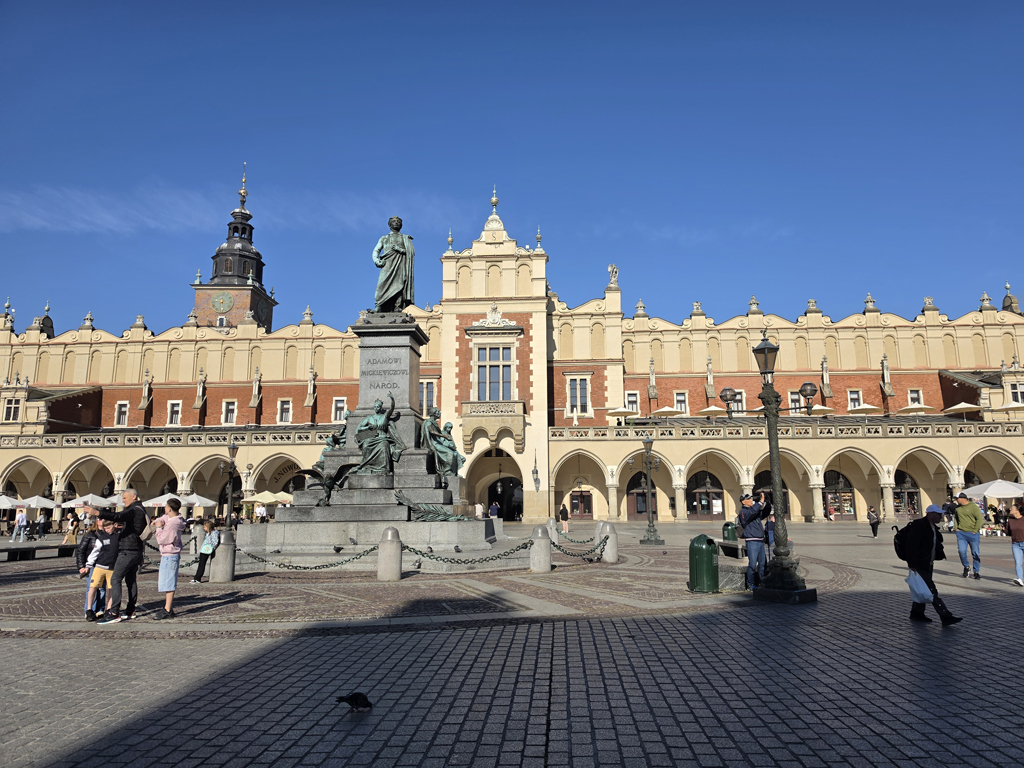
Krakow, Poland’s capital for centuries, still sits above the Vistula River like a crown. Its Unesco World Heritage Historic Centre and Wawel Royal Castle are reminders of that lost imperial glory.
A short walk away lies the Jewish ghetto and, across the river, Schindler’s Factory, now a museum telling the story of Krakow under Nazi occupation. Not an easy visit, but an essential one.
Nearby, the Museum of Contemporary Art and the Princess Czartoryski Museum, home to Leonardo Da Vinci’s Lady with an Ermine, show a city that wears its centuries lightly but never forgets.
Katowice and Zabrze: coal country reinvented
Silesia – a historic region lying mostly in Poland – was the industrial heartland that powered the country’s post-war reconstruction. For decades, it was not a place many tourists considered. That has changed.
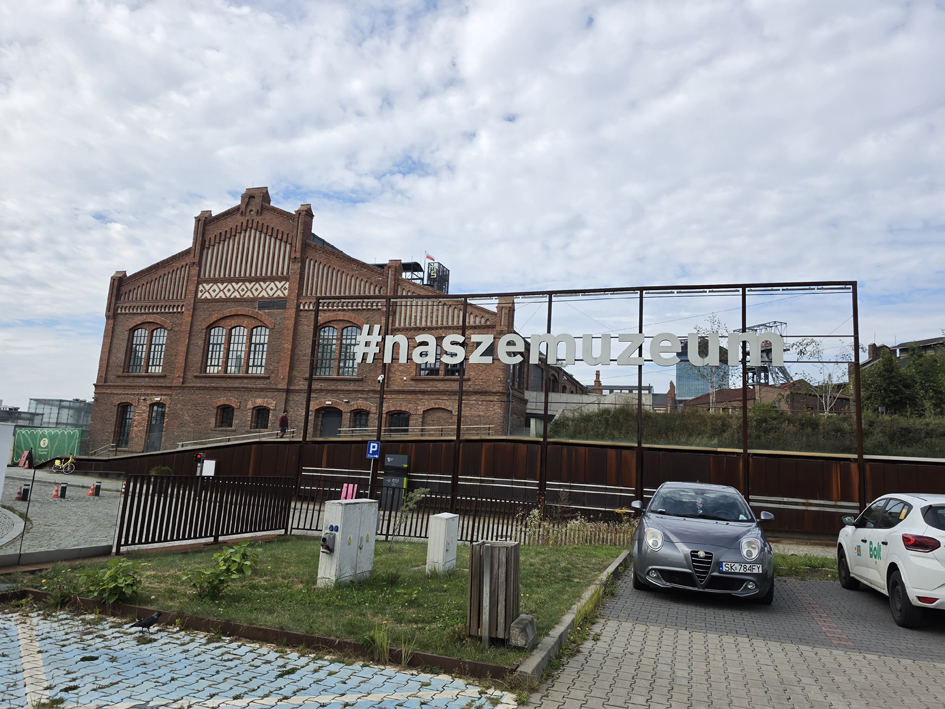
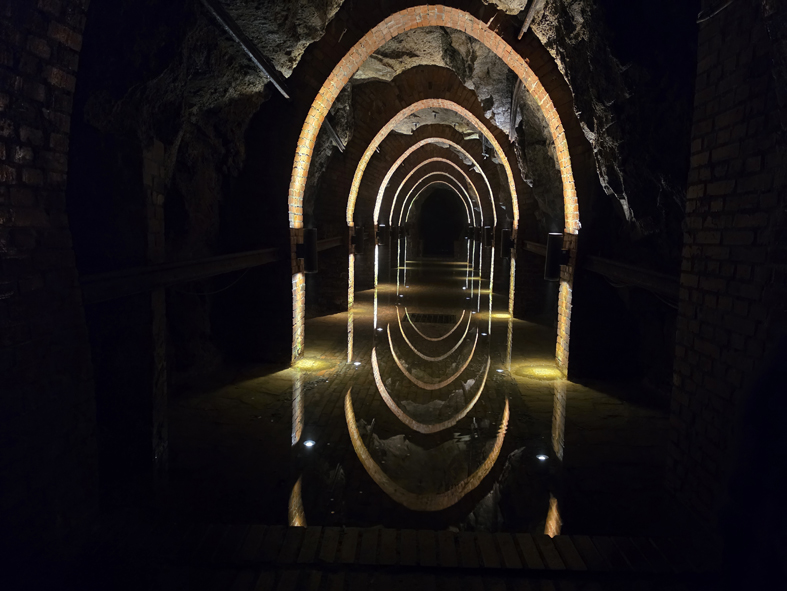
The Silesian Museum, built on a former coal mine in Katowice, descends into the earth in glass-walled levels, its old shaft towers now framing concert halls rather than slag heaps. In the neighboring city of Zabrze, the Queen Louise Adit offers an underground boat tour through flooded mine corridors – eerie, dark, and oddly beautiful. And Guido’s underground concert hall makes one appreciate the labor that built this region and the imagination that has repurposed it.
Katowice Silesian Museum
Zabrze Queen Louise Adit coal mine
Lodz: the city that reinvented itself
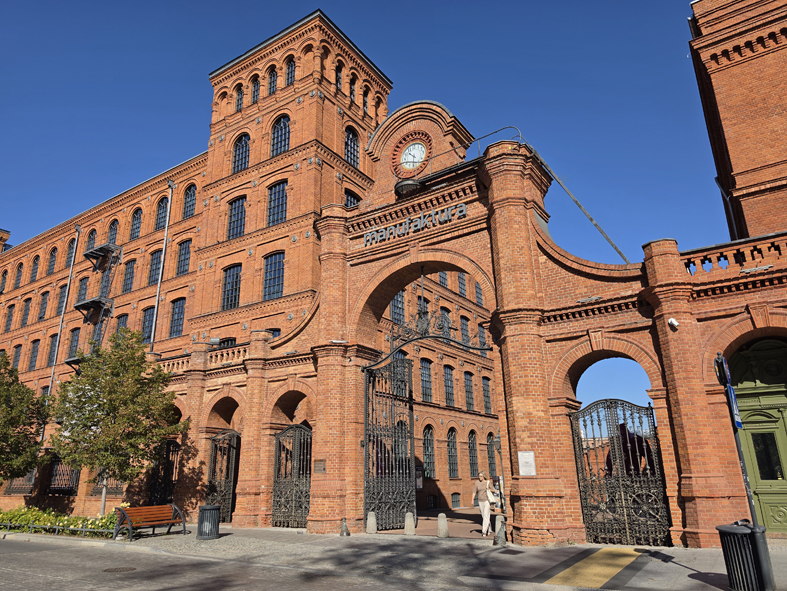
If Silesia was built on coal, Lodz, pronounced “wooj,” was built on cloth. In the 19th century – the very century that saw Poland erased from the map – it became the Manchester of Poland, a boomtown of textile mills and red-brick factories. The Central Museum of Textiles preserves that story, while Manufaktura, a vast former factory complex, is now one of the country’s largest cultural and shopping centers. EC1, a former power plant turned cultural and science center that houses the National Centre for Film Culture, is the most striking example of this reinvention.
What perplexes many visitors is how quickly Poland moved from a command economy to a market one after 1989. Lodz explains it: The textile industry collapsed almost overnight when Eastern markets opened, and the city had to find a new identity – in culture, education, and design. The transformation was painful, but it worked.
Manufaktura in Lodz
Warsaw: the phoenix
Warsaw is the most dramatic stop. The Old Town is a Unesco World Heritage Site, but it is also a reconstruction. The Nazis destroyed around 85 percent of the city during World War II, and the historic center was rebuilt using old paintings, photographs, and memories. That is why it looks so immaculate: It is a labor of love.
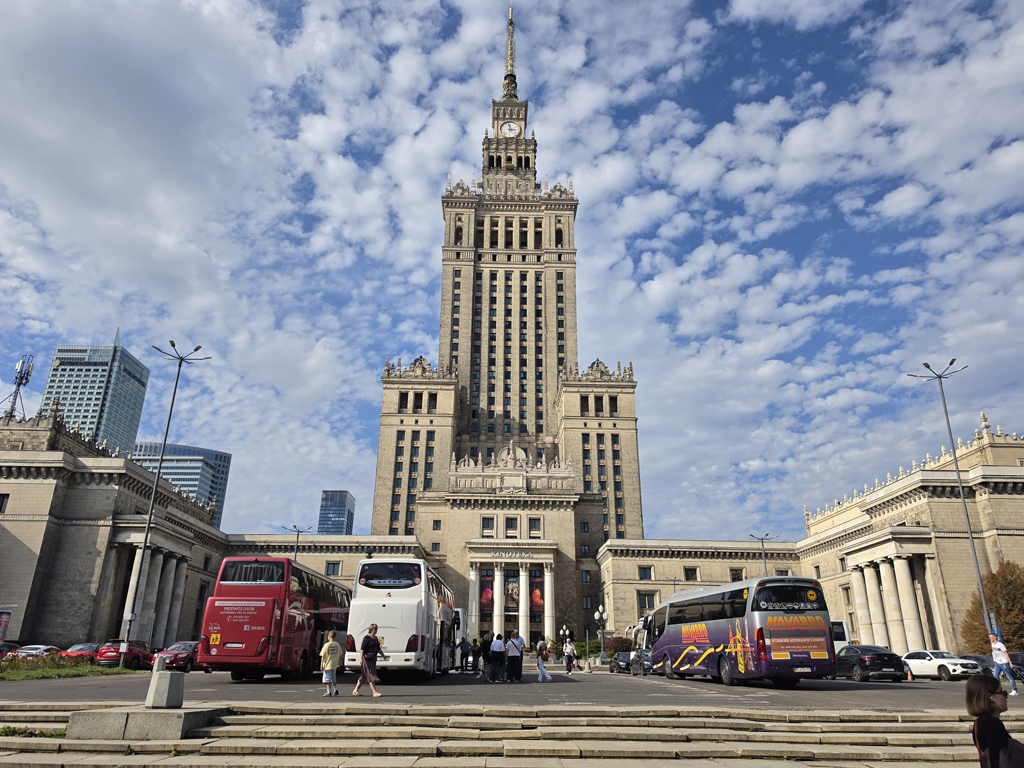
The Palace of Culture and Science, a Stalinist gift that once symbolized Soviet domination, now houses theaters and museums. POLIN, the Museum of the History of Polish Jews, tells a thousand-year story with extraordinary sensitivity, while the Copernicus Science Centre puts Polish curiosity on display for the next generation.
Warsaw Palace of Culture and Science
The thread that connects them
What links Krakow’s royal castle, Katowice’s coal mines, Lodz’s textile mills, and Warsaw’s rebuilt Old Town is a national habit of transformation.
Poland was once an empire, then erased, then occupied, then flattened – and rebuilt every time. Its coal and textile industries, which once seemed permanent, have given way to museums, concert halls, science centers, and shopping malls, not by erasing the past but by building on it.
Poland is not a country that hides its scars. It is a country that has learned to turn those scars into something worth seeing.
Polish gastronomy: hearty food, honest prices – milk bars to modern tables
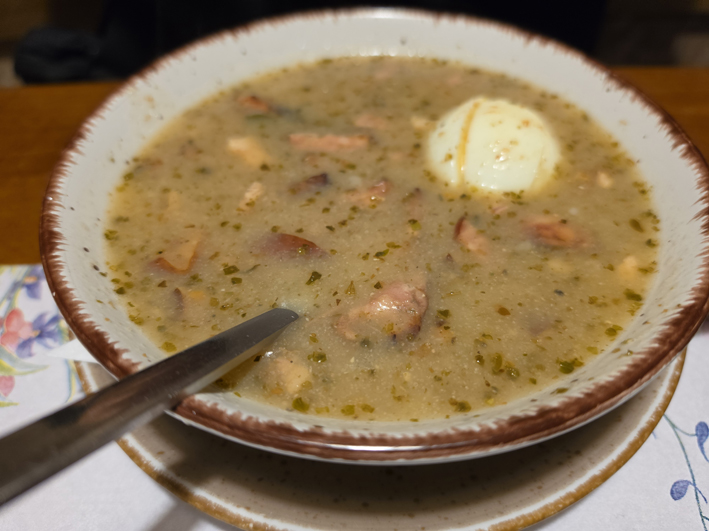
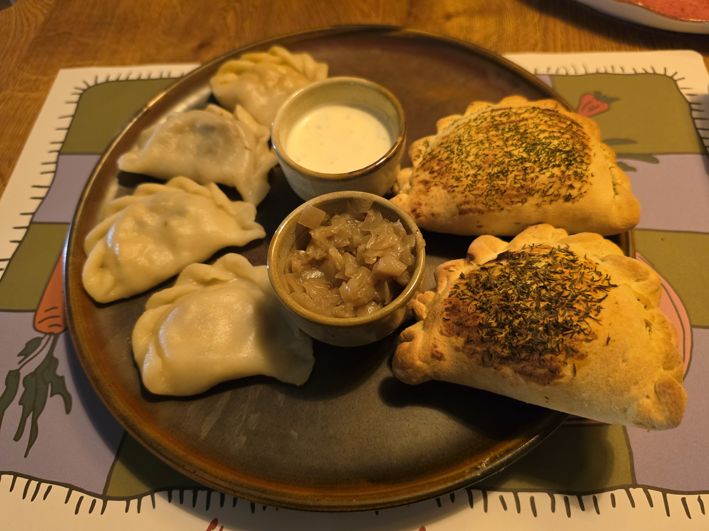
Polish food was built for hard winters, and it shows. Pierogi, or dumplings; bigos, a meat and stew recipe; and zurek, a sour soup; are the staples – heavy, comforting, and cheap.
The best place to try them is a milk bar, a cafeteria-style eatery from the communist era that still serves subsidized meals. A plate of pierogi, a bowl of soup, and a drink can cost around 30 zloty (HK$60.41).
Zurek, a sour soup
A meal at an inexpensive restaurant averages at around HK$80, and a three-course dinner for two at a mid-range place costs about HK$300 per person. City-break hotels average at about HK$1,000.
For transportation, a 75-minute ticket allowing use of various public transport costs 4.4 zloty in Warsaw, and 8 zloty in Krakow for 60 minutes.
Poland is not as cheap as it once was, but it remains one of the most affordable countries in the EU – and one of the most filling.
Pierogi, or dumplings.