That pink stain in the sink after brushing is easy to dismiss, but bleeding during brushing is often the earliest warning sign of periodontal disease, a prevalent oral health concern among urban dwellers. This chronic condition primarily targets the tissues and bone structures supporting the teeth, driven by the persistent accumulation of bacterial plaque. When plaque builds up within the periodontal pockets, it secretes harmful toxins that trigger inflammation and eventual bone recession. This deterioration is significantly accelerated when personal oral hygiene is neglected, or when misaligned teeth make thorough cleaning difficult to achieve.
Certain individuals face a substantially higher risk of developing this condition and must exercise heightened vigilance. For instance, smokers are up to five times more likely to contract gum disease because nicotine constricts blood vessels, masking typical bleeding symptoms and allowing inflammation to worsen undetected. Expectant mothers are also uniquely vulnerable, as pregnancy-induced hormonal shifts frequently trigger a condition known as pregnancy gingivitis. Furthermore, diabetic patients experience impaired metabolism and weakened immunity, making it easier for oral bacteria to proliferate. Individuals taking specific medications for hypertension or epilepsy may experience abnormally overgrown gum tissues enlargement, while denture wearers often struggle with food debris and plaque becoming trapped in the narrow gaps between their dental appliances and gums.
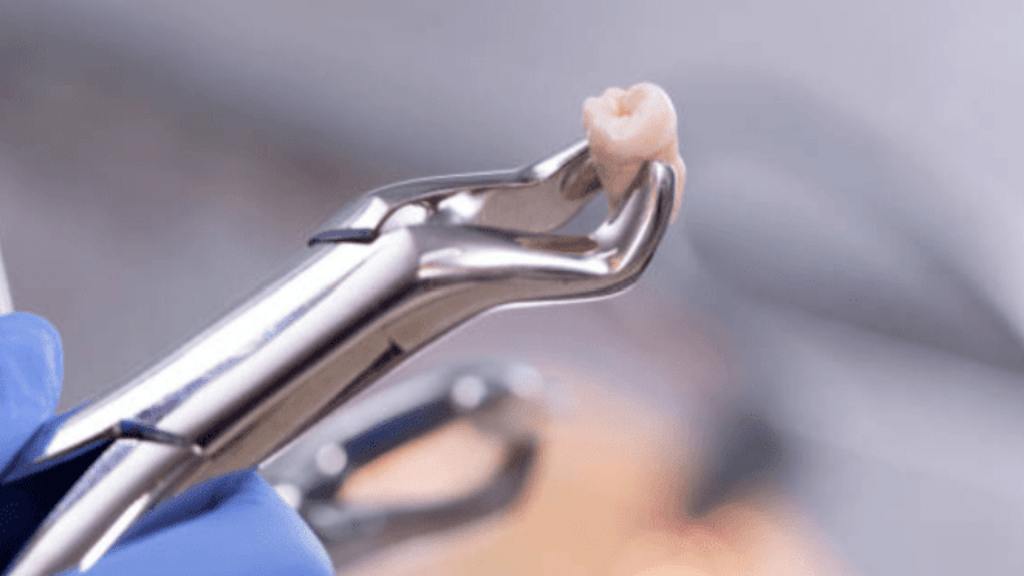
If left untreated, this progressive inflammation can lead to severe gum recession, loose teeth, and eventual tooth loss. Fortunately, early-stage periodontal disease is entirely reversible. Dentists typically recommend Non-Surgical Periodontal Therapy, a highly effective baseline treatment that begins with a comprehensive oral examination. This is followed by professional scaling and root planing to thoroughly clear plaque and stubborn tartar from the teeth and periodontal pockets. To ensure a lasting recovery, patients must maintain meticulous daily hygiene by correctly utilizing toothbrushes, interdental brushes, and dental floss. Combining these daily habits with at least one professional dental check-up and cleaning each year remains the most reliable defense against periodontal disease.
Dr Eric Chan Ho-yin. Dentist