The Republican Party’s heavy defeat in the US midterm elections has already had a significant impact on the American political landscape, with potential implications for financial markets as well.
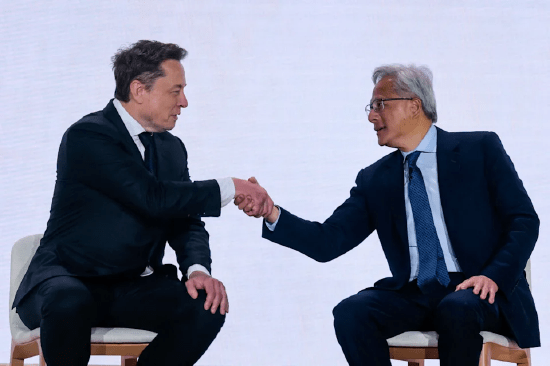
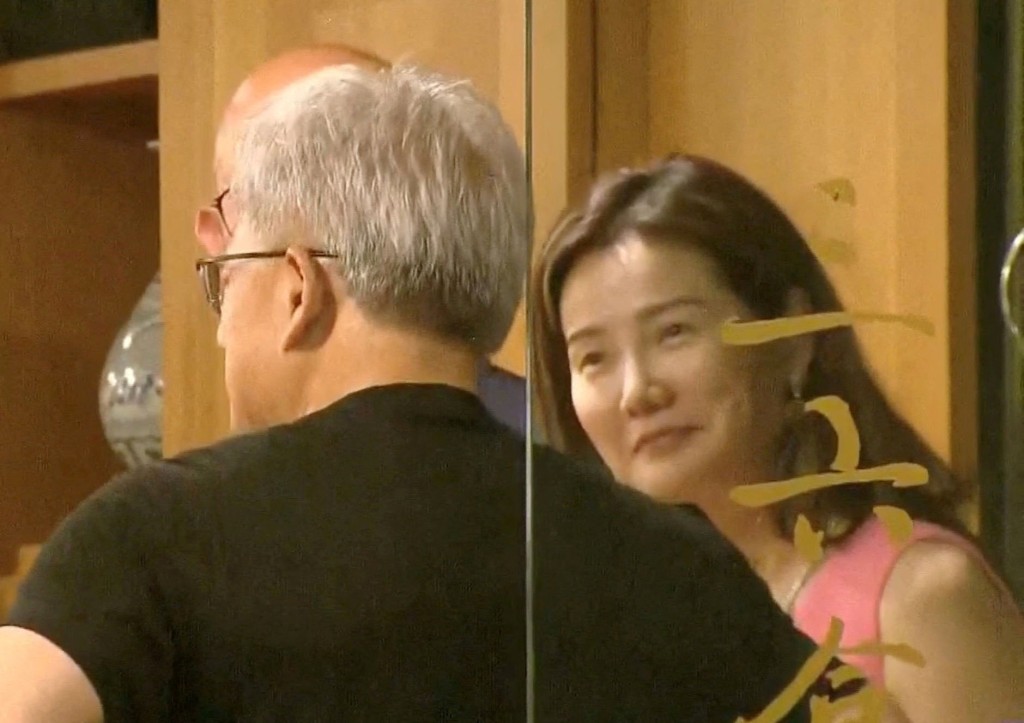
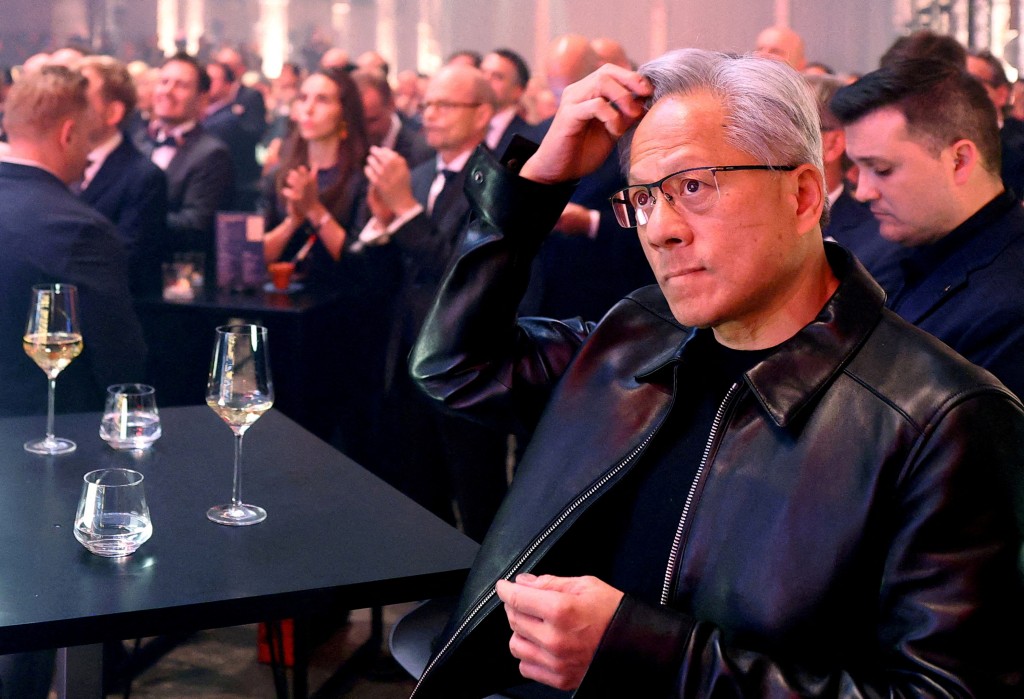
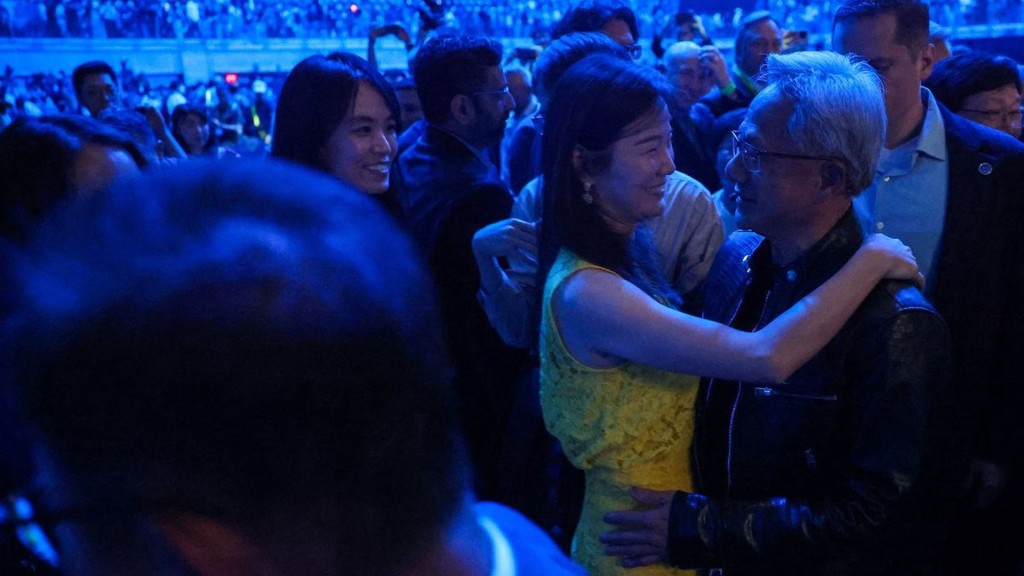
The controversy surrounding Nvidia chief executive Jensen Huang’s alleged extramarital relationship is certainly not something that has only come to light recently.
On October 9, 2025, The New York Times published an article entitled “A Mystery C.E.O. and Billions in Sales: Is China Buying Banned Nvidia Chips?”, which had already raised questions about the unusual relationship between Huang Le and Jensen Huang. The report also examined whether Singapore-based Megaspeed was involved in helping Chinese companies circumvent US export restrictions on Nvidia’s AI chips.
The Trump administration was not unaware of these concerns at the time. However, a number of moderates believed that US President Trump should continue to prioritize AI development, given its strategic importance, and that Jensen Huang had played a significant role in advancing the industry. Consequently, the issues surrounding Huang were not given serious attention by the administration.
However, the Republican Party’s poor performance in the midterm elections has changed the political dynamics.
One of the key sources of voter dissatisfaction with both the Republican Party and the Trump administration was the growing perception that, while AI was developing at an extraordinary pace, ordinary Americans were increasingly bearing the economic costs. These included rising electricity bills and land prices driven by AI infrastructure investment, mounting concerns over AI-related job displacement, and persistent inflationary pressures partly associated with the rapid expansion of AI infrastructure.
Against this backdrop, following the midterm elections, hawkish elements within the Trump administration have seized the opportunity to revive questions surrounding Jensen Huang and Huang Le.
More significantly, Republican House committee chairmen Brian Mast, John Moolenaar and Rick Crawford have formally requested that Jensen Huang attend a closed-door briefing to address, among other matters, his relationship with Huang Le. These developments suggest that, following their electoral setback, the Trump administration and Republican Party are attempting to correct course and distance themselves from the controversies surrounding their previous approach to AI policy.
For China, however, these developments are certainly not positive. They suggest that the Trump administration could move toward further tightening restrictions on Chinese companies.
As for whether the Democratic Party’s formal assumption of control of both chambers of Congress on January 3 will lead to any relaxation of restrictions on China, the answer is an emphatic no. Democrats are also examining Jensen Huang’s connections with China, and there is a strong possibility that Democratic lawmakers will seek to summon him for another congressional hearing next year.
In other words, US policy toward China is likely to become even less accommodating over the next two years, regardless of which party holds congressional power.
As for Nvidia, its troubles may only be beginning. Even if Jensen Huang were to step down as CEO, there is little reason to believe that doing so would materially improve the company’s situation.
Andrew Wong is a veteran independent commentator