
Read More
For many years, the word caviar naturally brought Russia, Iran, and the Caspian Sea to mind. It belonged to the world of old European hotels, imperial dining rooms, and restaurants where a small silver spoon could cost more than an entire dinner. Today, however, some of the finest caviar served in Michelin restaurants comes from China.
ADVERTISEMENT
SCROLL TO CONTINUE WITH CONTENT
The best known example is Kaluga Queen, produced from sturgeon raised in Qiandao Lake in Zhejiang. The lake's clean water and controlled farming conditions allow the fish to mature slowly, with some varieties requiring many years before harvest. The roe is carefully sorted, washed, lightly salted, and sealed, preserving the delicate texture of each pearl.
Chinese caviar is not simply a cheaper imitation of traditional Western caviar. Its character can be different. Kaluga and Amur hybrid roe is often recognized for its large, firm eggs and a smooth, buttery flavor, followed by a restrained saltiness. Siberian sturgeon caviar may be more pronounced and briny, while Russian sturgeon offers a creamy, nutty quality. The finest tins have a clean finish, gentle marine freshness, and no harsh aftertaste.
Traditional Caspian caviar, particularly the rarest Beluga, is admired for its larger eggs, subtle salinity, and exceptionally delicate flavor. Its reputation is also tied to centuries of history. Much of the premium caviar available today, however, is farmed, because wild sturgeon populations were severely depleted by overfishing and international trade restrictions. In that sense, Chinese caviar belongs to the modern chapter of the same story.
What interests me is not only the origin, but the discipline behind the product. China has brought advanced aquaculture, strict processing, and an impressive understanding of scale to an ingredient that once seemed inseparable from the West. The result can stand confidently beside established names.
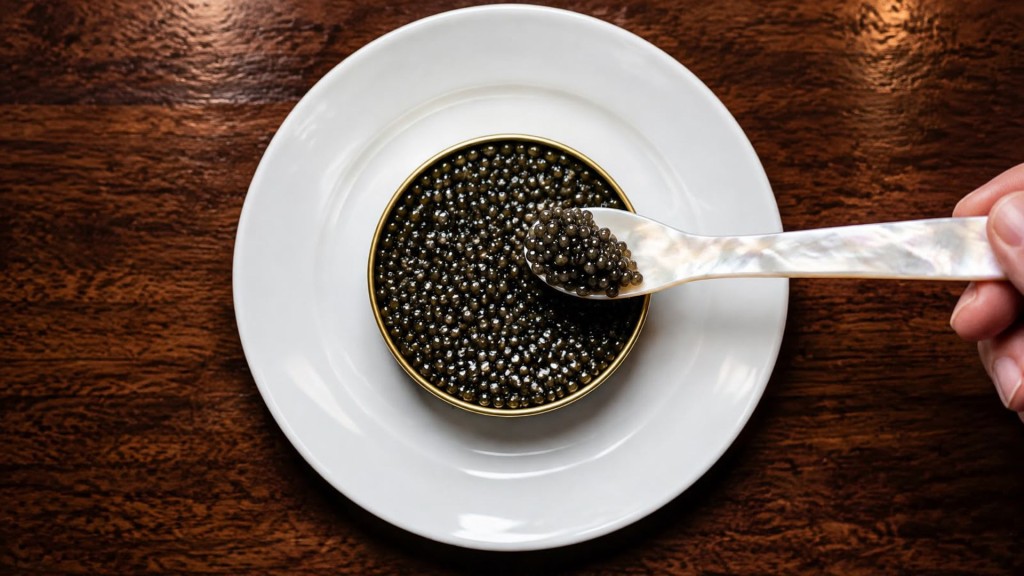
I prefer to taste caviar simply, perhaps with a mother of pearl spoon, a chilled glass of Champagne, and nothing competing for attention. Chinese caviar has its own identity: larger textures, soft butteriness, and a polished, measured salinity. It may not carry the same romantic history as Caspian caviar, but it offers something equally interesting: proof that luxury can acquire a new tradition without losing its sense of refinement.
Dixtionary is a global citizen and seasoned entrepreneur who views luxury through the lens of philosophy and heritage / @dix.tionary