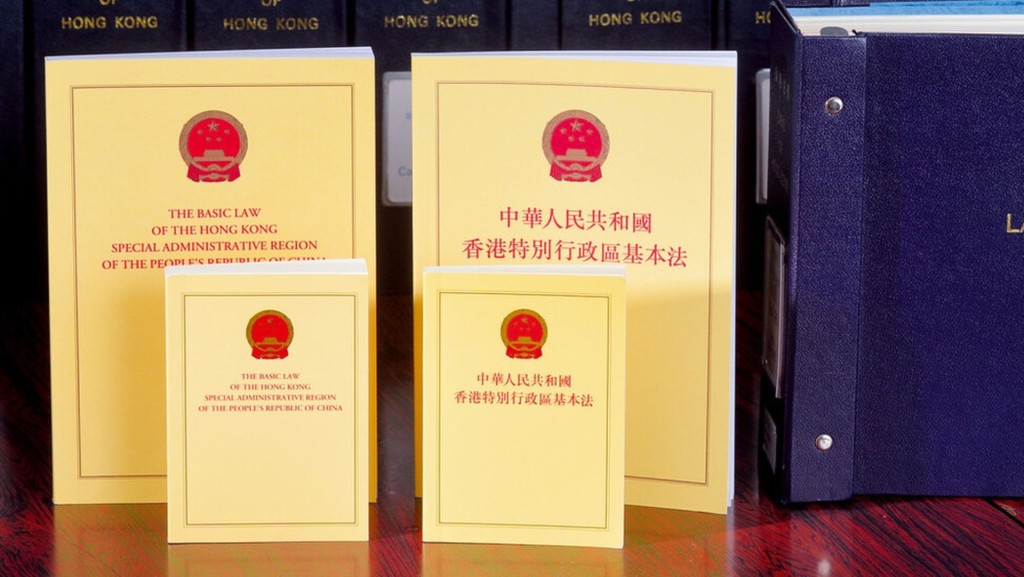
Article 107 of the Basic Law provides that Hong Kong “shall follow the principle of keeping the expenditure within the limits of revenues in drawing up its budget, and strive to achieve a fiscal balance, avoid deficits and keep the budget commensurate with the growth rate of its gross domestic product”.
If you look around the world, from the USA to Japan or Europe, it is precisely because they have allowed expenditure to go up faster than revenue and running persistent fiscal deficits that the debt has exponentially increased in one generation. This in turn has a number of effects, which unfortunately operate as a vicious cycle.
First, as the debts have increased, the government is using an increasingly large share of its budget on simply paying interest on that debt. This is money which will not go into education, welfare, or investment in the future. Second and perhaps more frighteningly, as the overall debt increases, the creditors start to worry about whether they will in fact ever be repaid, and therefore ask for an increasingly higher rate of interest.
Common sense tells us that the more credit risk you are taking on, the more you are asked to compensate for that risk by way of a risk premium. When the interest rate paid by the government goes up, the cost of credit to consumers and companies also goes up, which in turn reduces consumption and reduces investment.
The Hong Kong government has for many years run surpluses and avoided deficits. It is important for us to continue to adhere to what we are constitutionally mandated to do and which is fiscally prudent and economically smart.
Spending more than you earn and hoping you can continue indefinitely is like defying the law of gravity. If we keep to our basics, we will continue to succeed.
José Antonio Maurellet SC is the Chairman of the Hong Kong Bar Association