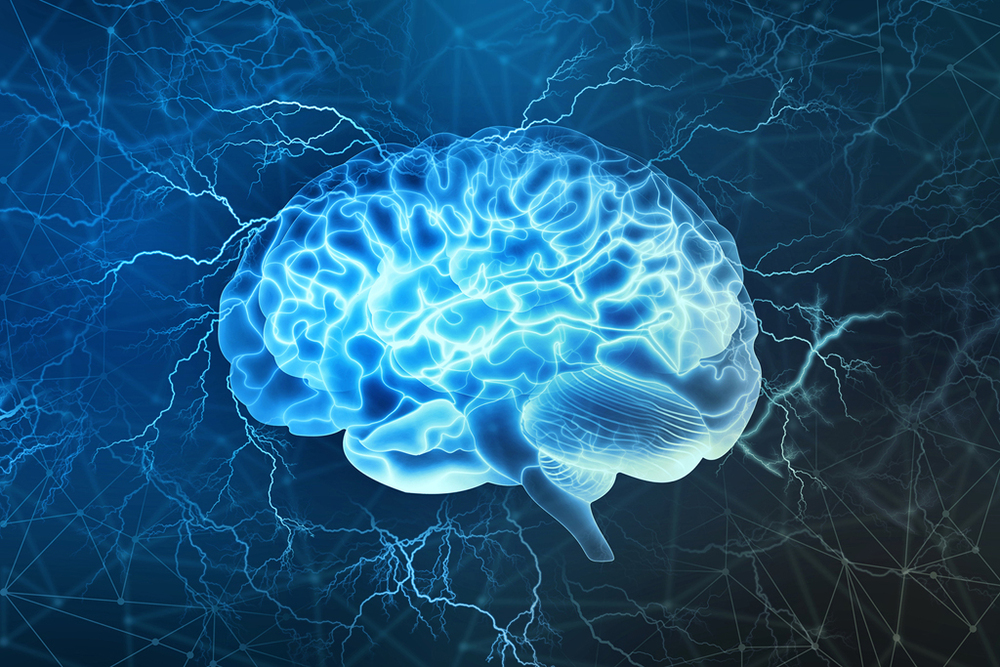
A team from the Faculty of Medicine at The Chinese University of Hong Kong (CU Medicine) has uncovered new details about how the human brain controls voluntary muscle movement, offering fresh insights that could improve brain-machine interfaces and neurosurgery.
The team, comprising neuroscientists and neurosurgeons, studied patients undergoing awake brain surgery and found that the brain organizes muscles into functional groups, or “muscle synergies,” to coordinate complex movements.
The study, published in the Proceedings of the National Academy of Sciences, resolves a long-standing debate about whether the brain manages individual muscles or controls them in groups.
By monitoring electrical signals in 13 patients’ motor cortex during awake craniotomy surgery for glioma tumor removal, researchers discovered that 69 percent of the muscle synergies observed during preoperative voluntary movements could be matched to muscle synergies evoked by direct electrical stimulation during surgery.
Lead researcher Jodie Xie Jingping said the findings show that the brain’s primary motor cortex activates fundamental building blocks of movement. The research could help refine the placement of electrodes in brain-machine interfaces for paralyzed patients and improve rehabilitation strategies for people with movement disorders.
The team also demonstrated that mapping these muscle groups during surgery can help neurosurgeons avoid damaging critical movement areas, increasing patient safety and recovery outcomes. The project was supported by Hong Kong’s Research Grants Council.