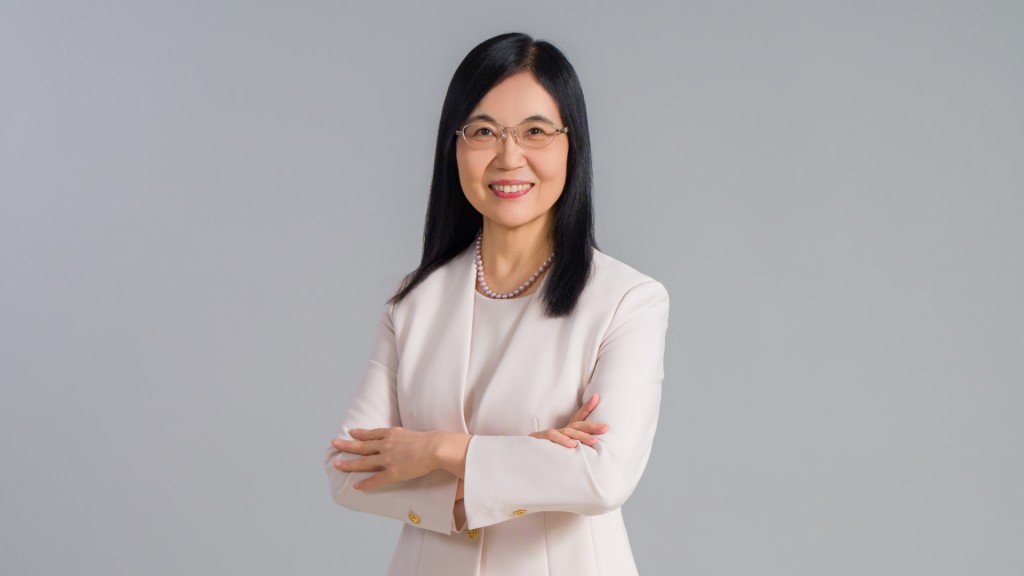
Yu Jun, a leading expert in digestive diseases at the Chinese University of Hong Kong (CUHK), has been elected as a Fellow of The World Academy of Sciences (TWAS), marking a significant milestone in her distinguished career.
The prestigious international honor recognizes the pioneering work of Yu — Choh-Ming Li professor of Medicine and Therapeutics at the Faculty of Medicine of CUHK, director of the Institute of Digestive Disease and Director of the State Key Laboratory of Digestive Disease — in gastrointestinal cancers, gut microbiota, and early cancer detection. Her research has unveiled critical links between microbial species and the onset of gastric, colorectal, and liver cancers, advancing global knowledge on cancer mechanisms, prevention, and diagnosis.
Earning a TWAS Fellowship is considered one of the highest accolades in global science, reserved for scholars whose work profoundly influences the field. Yu’s election is seen as an affirmation of her leadership in gut microbiota and gastrointestinal cancer research. It also highlights CUHK’s strengths in biomedical and translational research, contributing to global health through innovation.
“I am deeply honored to be elected a Fellow of TWAS. I sincerely thank CUHK for its longstanding support of my research, as well as my research team and collaborators around the world for their dedication and partnership,” Yu said in response to her election. “We will continue to advance frontier research on gut microbiota and cancer, and strive to translate our scientific discoveries into clinical applications that benefit patients worldwide.”
Yu’s research has led to the development of non-invasive biomarkers and early detection technologies for gastrointestinal cancers, many of which have been successfully implemented in clinical practice. With over 600 scientific publications in top journals, she is also recognized as a Fellow of the Hong Kong Academy of Sciences, a Foreign Member of the Academia Europaea, and a recipient of numerous prestigious awards, including the State Natural Science Award and the Croucher Senior Research Fellowship.