In a city where restaurants constantly seek to reinvent the dining experience, some of the most memorable meals are those that remain faithful to tradition.
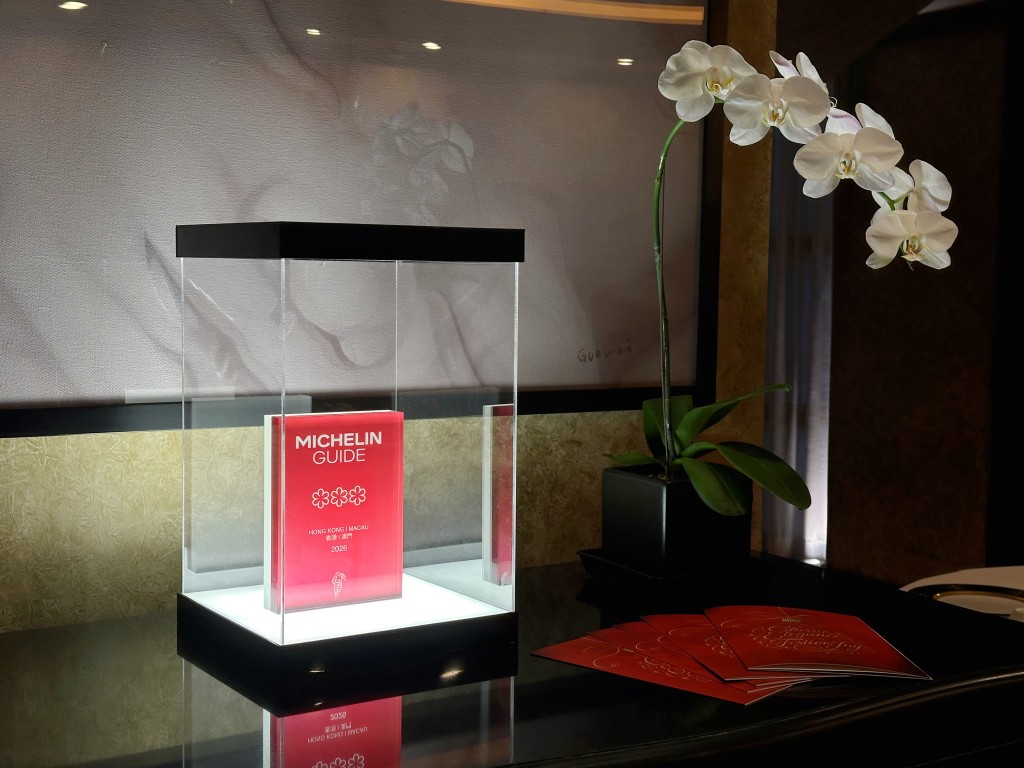
At T’ang Court, the three-Michelin-starred Cantonese restaurant at The Langham, Hong Kong, time-honored recipes and meticulous craftsmanship continue to take precedence over culinary theatrics.
Opened in 1988, the Tsim Sha Tsui institution has built its reputation on classic Cantonese cooking, earning three Michelin stars for 11 consecutive years since 2016. Its enduring success is rooted in a philosophy that places seasonal ingredients and mastery of traditional techniques at the heart of every dish.
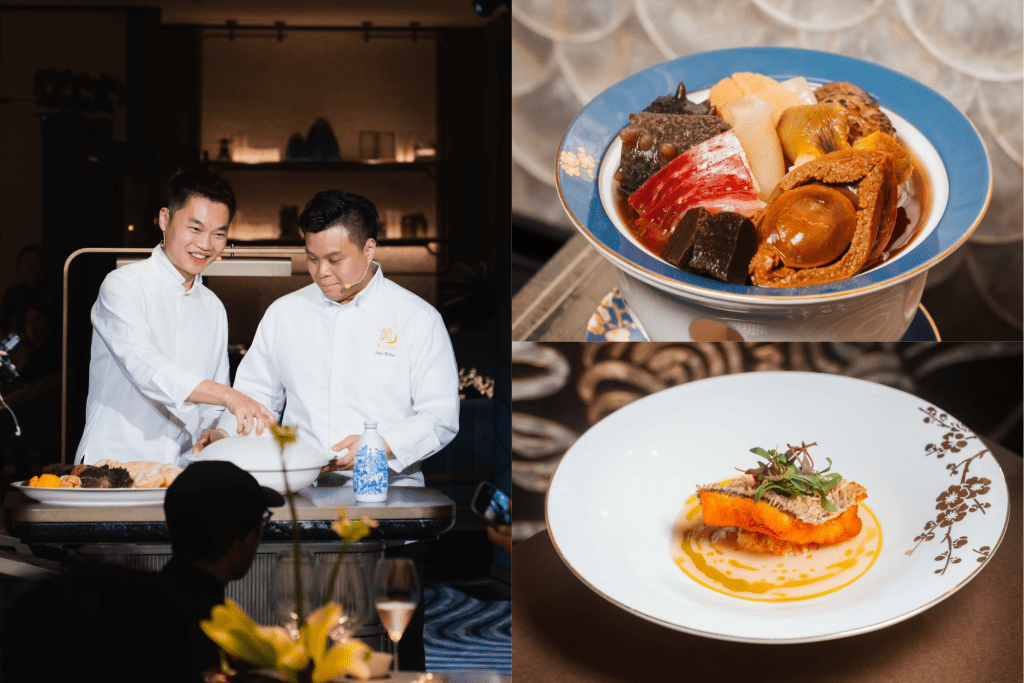
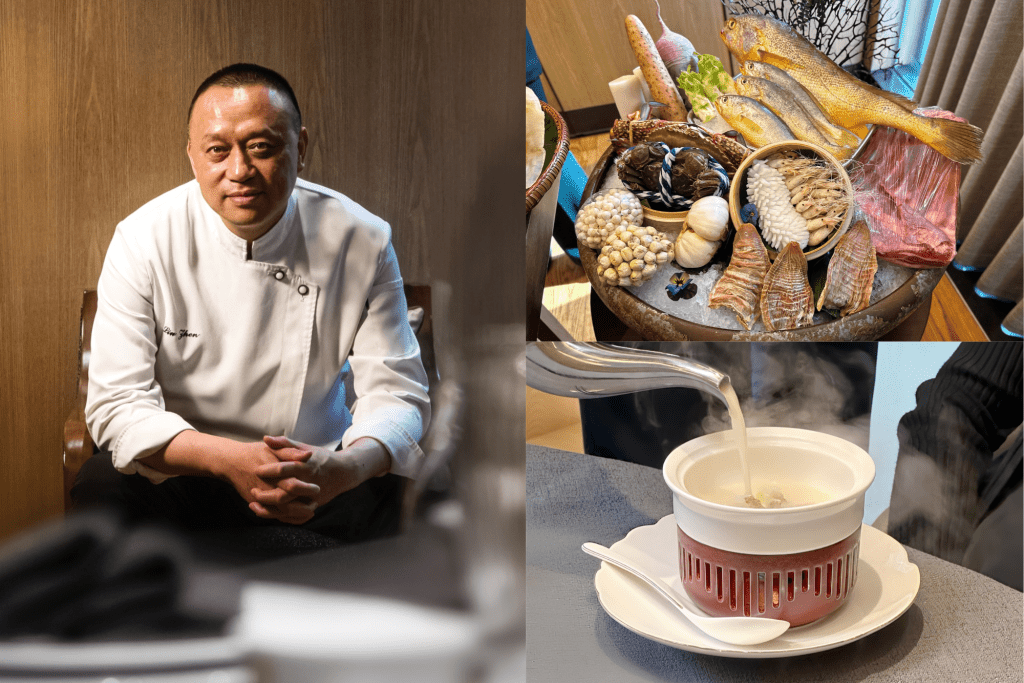
Much of that philosophy can be traced to Chinese master chef Kwong Wai-keung, who helped establish the restaurant's culinary identity from its earliest days. His protégé, executive Chinese chef Wong Chi-fai, joined T’ang Court in 2000 and worked his way through the kitchen before taking the helm in 2018.
Rather than pursuing innovation for its own sake, Wong and his team continue to refine familiar recipes, allowing the natural flavors and textures of carefully selected ingredients to shine.
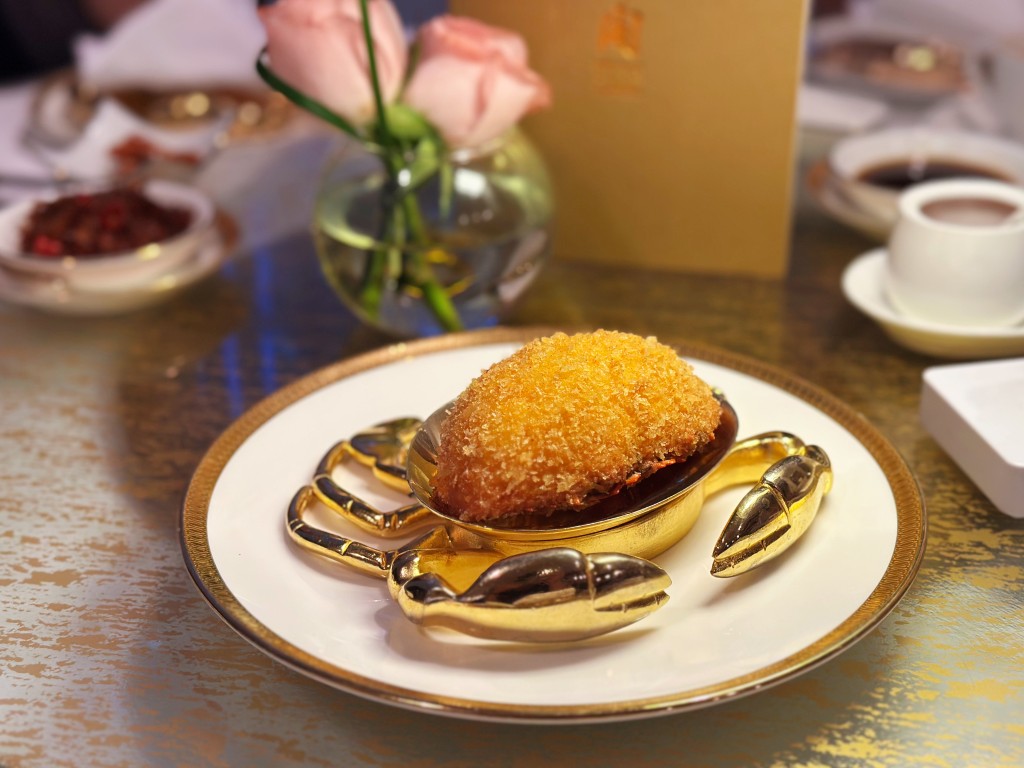
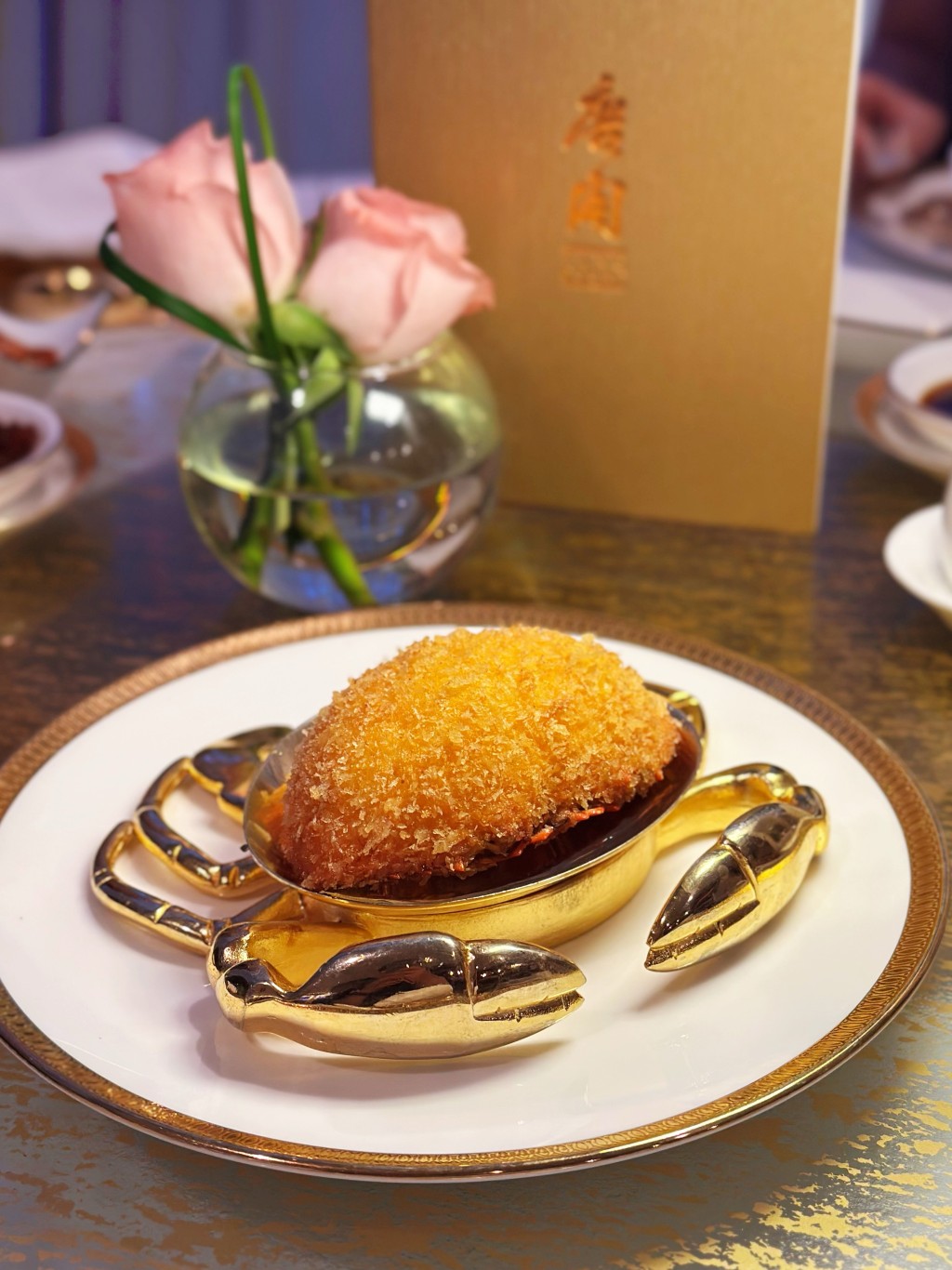
Perhaps no dish better captures this approach than the restaurant's signature baked stuffed crab shell, a longstanding favorite that has remained remarkably faithful to its origins.
Presented in an elegant golden crab shell, the dish is topped with a delicate layer of breadcrumbs baked to a golden crisp. Beneath lies a generous filling of tender crab meat, finely chopped onions and a touch of cream sauce. The onions lend a gentle sweetness without overwhelming the crab, while the contrast between the crisp topping and soft, rich filling makes each bite particularly satisfying.
Baked Stuffed Crab Shell.
It is a deceptively simple creation, one that demonstrates how precise preparation and restraint can elevate a familiar Cantonese classic.
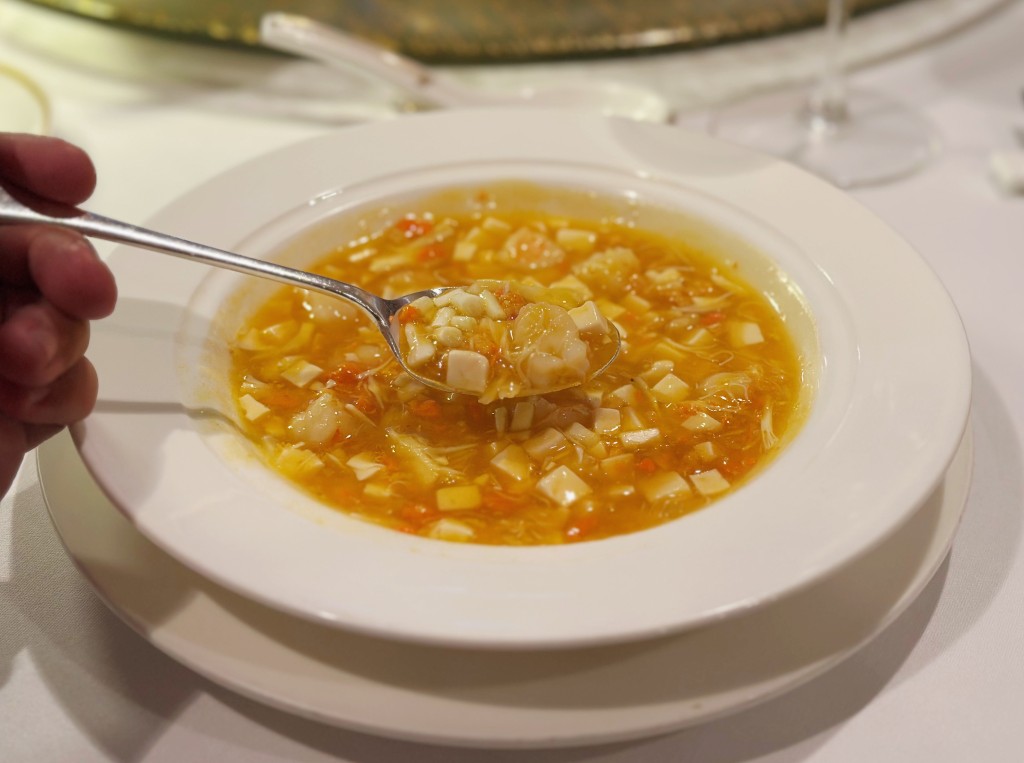
The same attention to texture carries through to the braised shrimp, hairy crab roe and bean curd soup. Its vibrant orange-red surface gives way to a silky mixture of tender tofu and egg white, punctuated by springy pieces of shrimp. The richness of the crab roe brings depth to the otherwise delicate soup.
Braised Shrimp, Hairy Crab Roe & Bean Curd Soup.
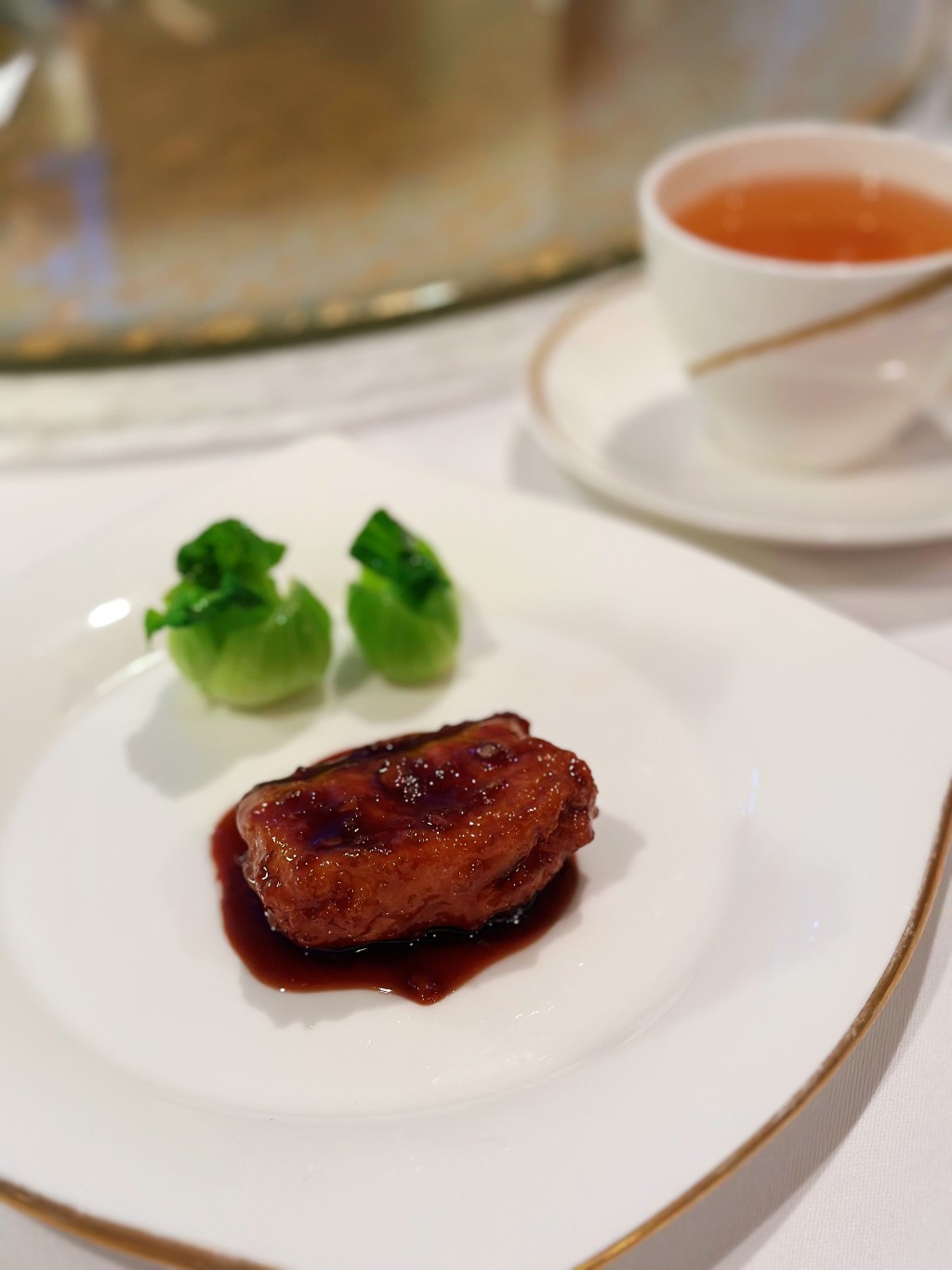
Another highlight is the baked stuffed grouper with shrimp paste and port wine. Uniformly cut pieces of grouper are stuffed with shrimp paste and baked with port wine, lending a subtle sweetness and fragrance to the seafood. The result is pleasingly springy, with the natural flavor of the fish remaining the focus.
Baked Stuffed Grouper with Shrimp Paste & Port Wine.
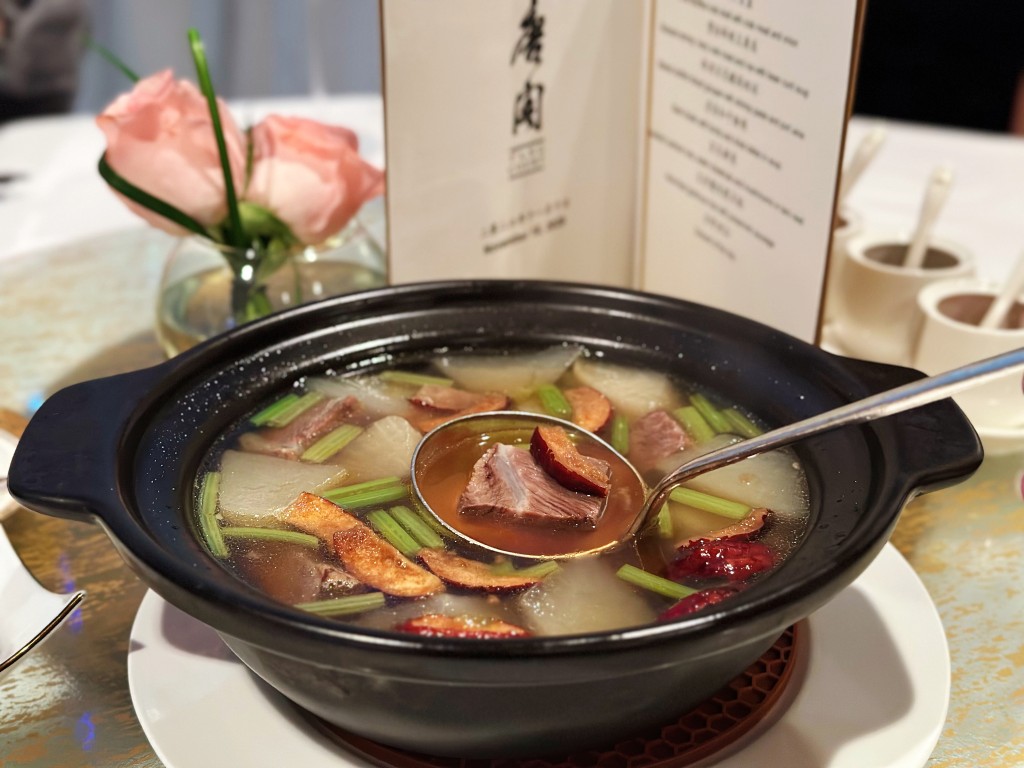
For a lighter interlude, the beef cheek with turnip and dried dates in soup offers a welcome change of pace. Slowly cooked until tender, the beef is served in a clear, gently sweet broth that feels soothing after the richer seafood courses.
Beef Cheek with Turnip & Dried Dates in Soup.
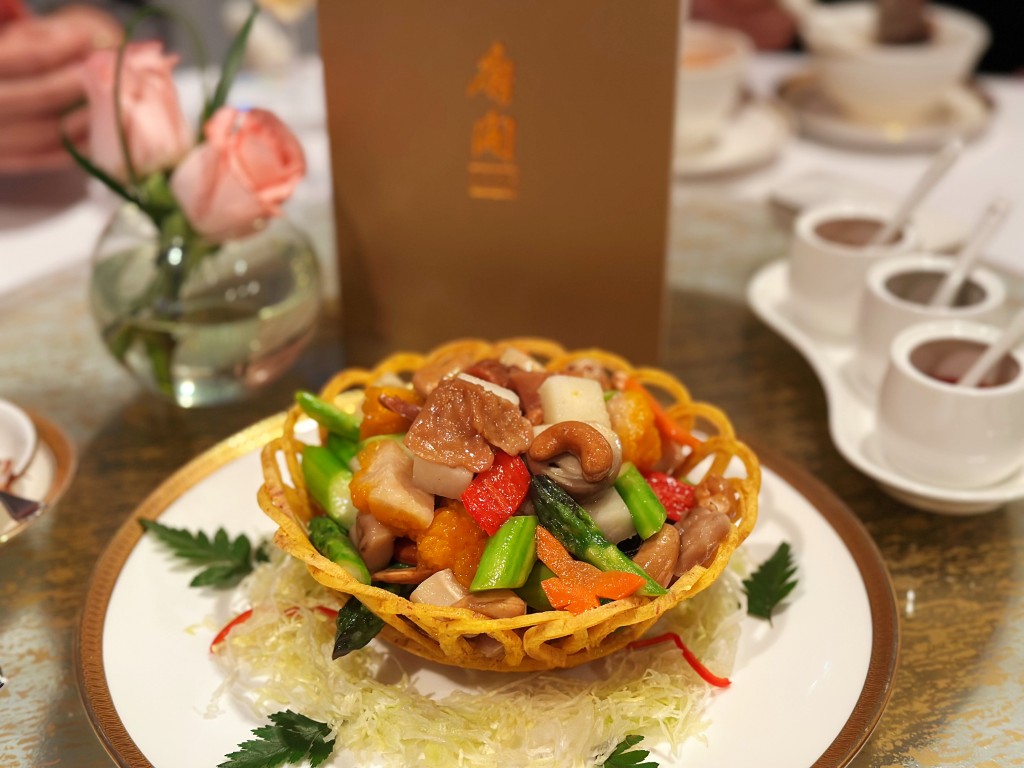
Nostalgia takes center stage with the sautéed cashews, water chestnuts and mushrooms in a taro nest, a classic Cantonese banquet dish that is increasingly difficult to find executed with such care.
The taro is shredded and deep-fried into a delicate, golden basket that remains remarkably crisp, even beneath its generous filling. Inside, crunchy water chestnuts, earthy mushrooms and cashews come together with a subtle touch of wok hei, the prized smoky aroma produced by skillful cooking over intense heat.
Sautéed Cashew, Water Chestnut & Mushroom in Taro Nest.
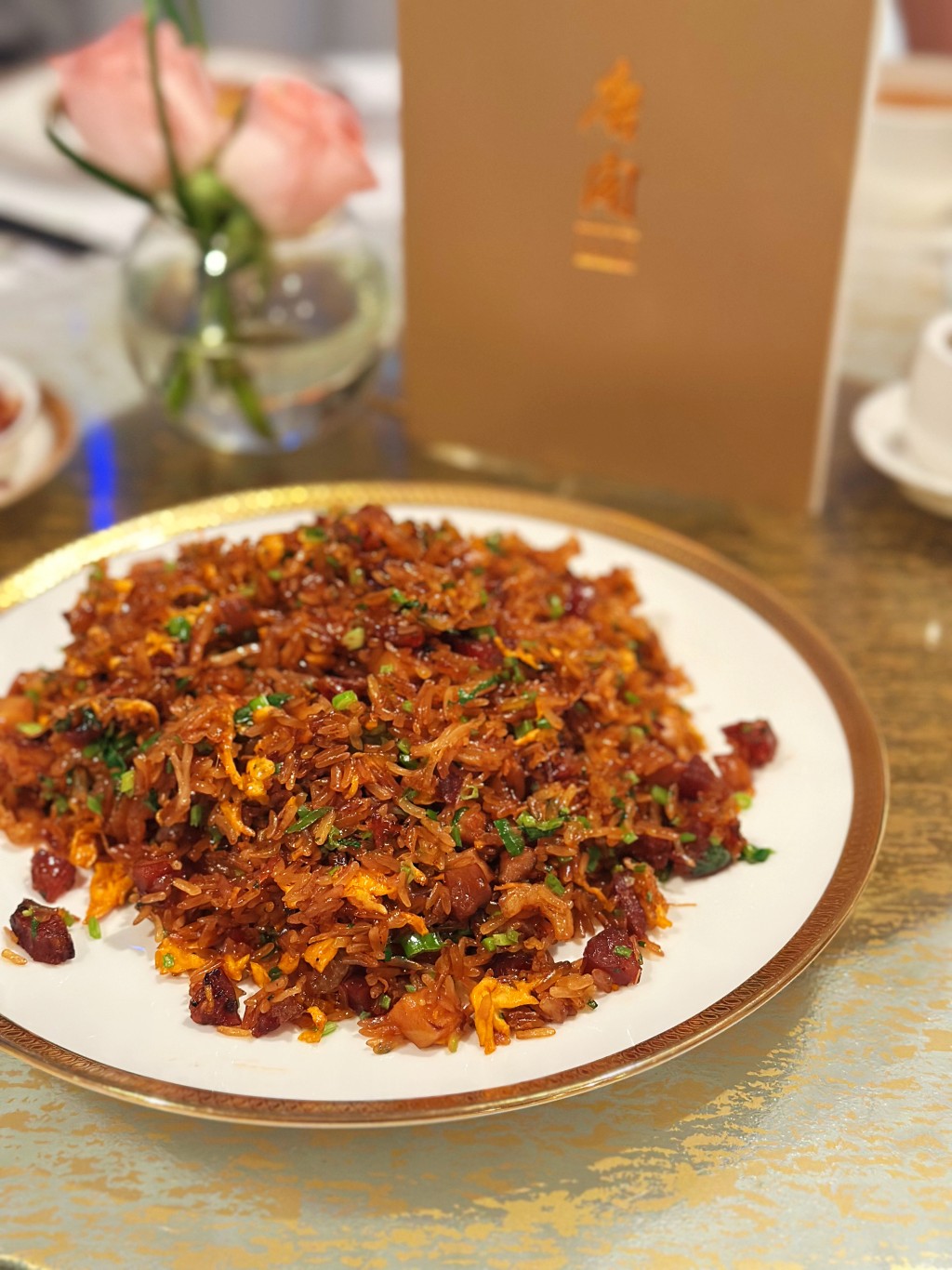
Equally comforting is the wok-fried glutinous rice, another traditional favorite that relies heavily on technique.
Each grain remains distinct despite the rice's naturally sticky character, while the rich aroma of Chinese preserved meats is evenly distributed throughout. Fragrant and satisfying without feeling excessively oily, it is an understated demonstration of the kitchen's command of heat and timing.
Wok-fried Glutinous Rice.
Desserts continue the theme of balancing tradition with thoughtful presentation.
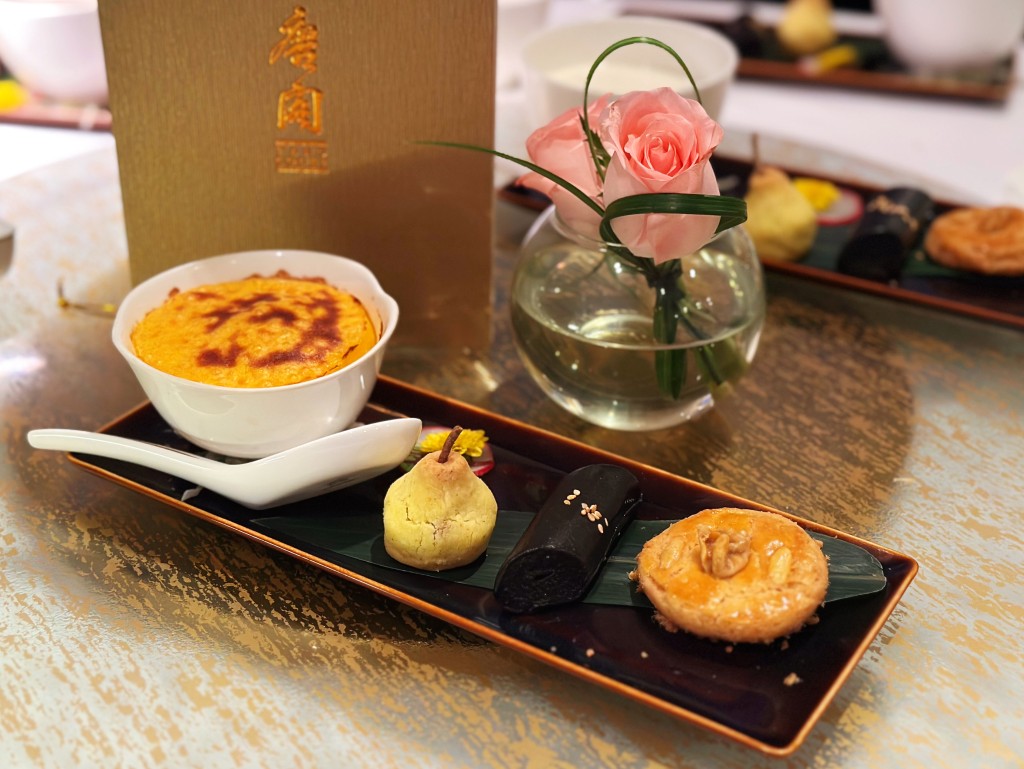
A pear-shaped pineapple cake brings a playful touch to the table, its thin pastry shell enclosing a lightly tart pineapple filling, complete with a delicate chocolate stem. Traditional sesame rolls offer a different pleasure, with their cool, pleasantly chewy texture and deep roasted sesame fragrance.
There are also walnut pastries with a savory filling, alongside a smooth baked sago pudding filled with lotus seed paste.
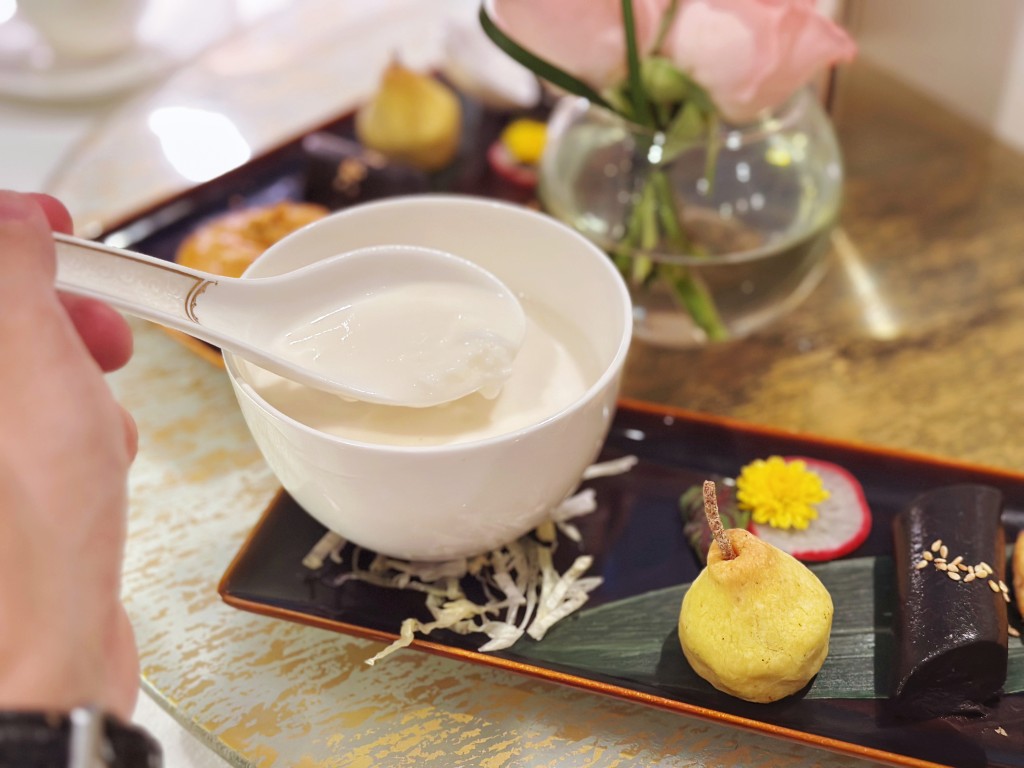
Yet perhaps the most memorable sweet is the hand-ground almond cream with egg white, a beautiful expression of how this traditional Cantonese dessert should be made.
Sweetened Almond Cream with Egg White.
Wonderfully smooth and velvety, it carries the delicate, natural fragrance of almonds, with the egg white lending an added silkiness. The sweetness is perfectly restrained, allowing the gentle nuttiness to linger on the palate. Unassuming in appearance but deeply comforting, it is almond tea at its finest, proving that even the simplest classics can leave a lasting impression.
While Hong Kong's fine-dining landscape continues to evolve, T’ang Court serves as a reminder that great Cantonese cooking does not always require reinvention. Its appeal lies in the details: the careful handling of seafood, the precision of the wok, the clarity of a slow-cooked broth and the preservation of recipes passed between generations of chefs.
After nearly four decades, the restaurant remains a destination for diners who appreciate the quieter pleasures of Cantonese cuisine, where tradition is not simply remembered but continually practiced and refined.
marco.lam@singtaonewscorp.com