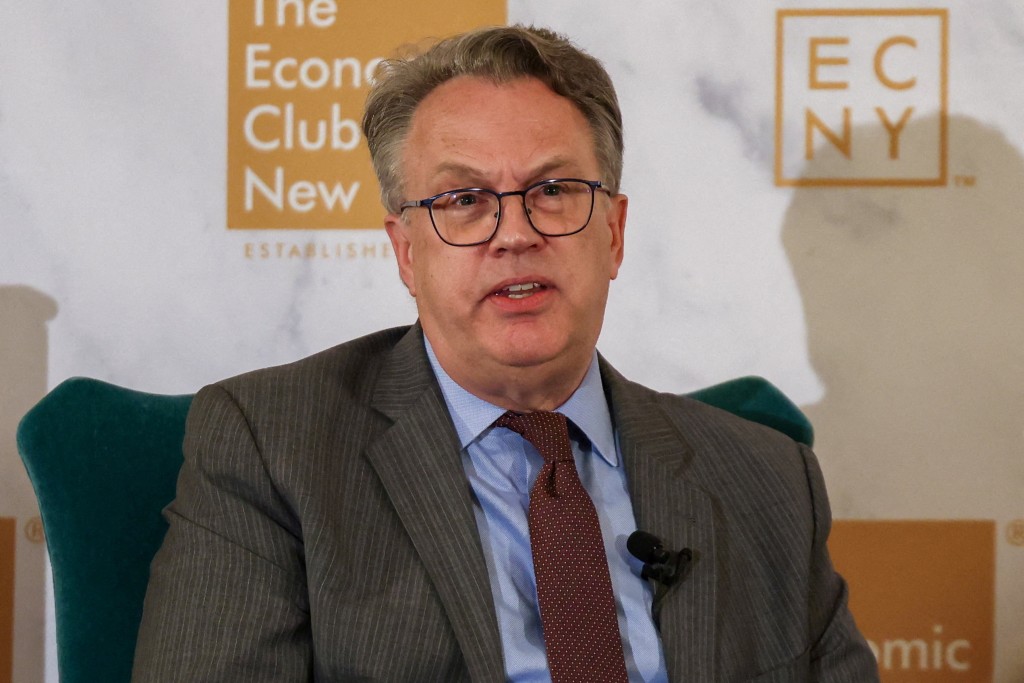
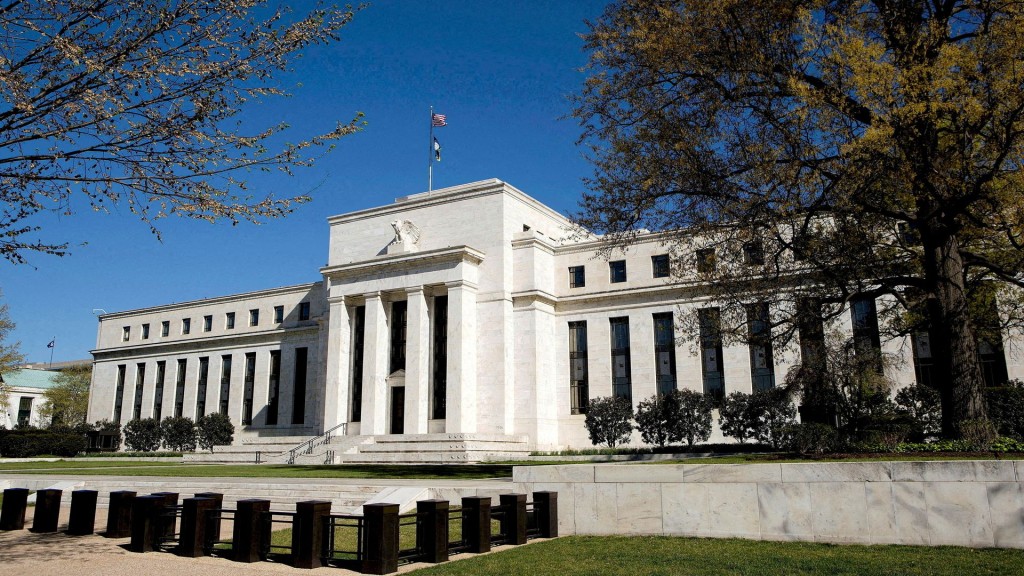
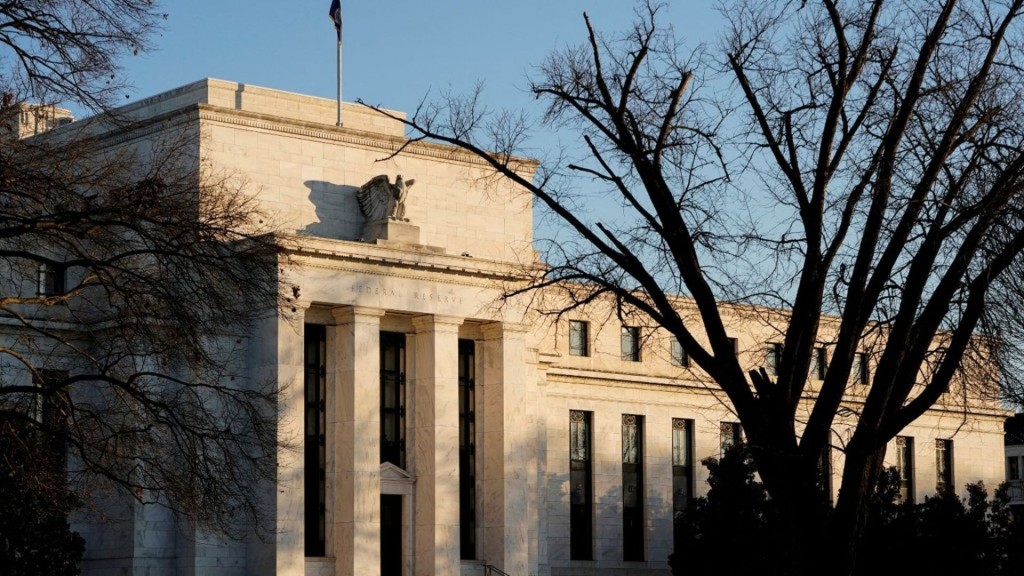
New York Federal Reserve President John Williams said on Monday that persistently high inflation continues to point the US central bank toward tighter monetary policy, while stressing that the pace of future interest-rate increases will depend on incoming economic data.
"We must take actions over time that will ensure that we get inflation back to our 2 percent goal in a timely manner and on a sustained basis," Williams said in remarks at an event held by the University of Mount Saint Vincent in New York. "There is still work to do to get that done."
Williams said inflation is "too high." He noted that he will continue to assess incoming data to decide what action the central bank should take at its December 8–9 policy meeting.
Williams' comments suggested he favors a rate hike at the upcoming meeting. Beyond that, Williams said the path of policy will depend on the economy's performance. “I don't have in my mind a particular timing,” Williams told reporters.
“We're going to have to learn along the way as we get more data,” Williams said, while noting, “I'm not excluding options” when it comes to the cadence of future actions. “I would not exclude, you know, moving at consecutive meetings at all if that was what was needed.”
If the economy showed considerable strength and inflation pressures were not moderating, "you wouldn't just want to wait around" and would instead act by adjusting monetary policy, the official said.
DECEMBER HIKE AHOY
Financial markets broadly expect the Fed to raise its policy rate by a quarter of a percentage point next month from the current 3.75 percent–4.00 percent range, with more increases to come next year.
The Fed last raised rates in September as part of an effort to curb inflation, which has been above the 2 percent target for more than five years. Central bank officials worry that, if this situation persists, the public could lose confidence that inflation will return to that level.
Over recent weeks a wide range of Fed officials have pointed to the need for more rate hikes. Some policymakers have said they'd like to see increases come gradually to allow the economy to adjust, while Fed Governor Christopher Waller has signaled he could support a more aggressive half-percentage-point increase given hot price pressure data.
Williams was speaking the same day as a sharp stock market rally, triggered by chipmaker Nvidia's announcement that it was reinstating Jensen Huang as CEO, after President Donald Trump urged it to do so. Investors' reaction highlighted the importance of AI companies in driving the markets. Some observers had wondered in recent days whether sharp stock losses might deter the Fed from raising rates.
Williams told reporters he was not surprised by the market's volatility and he said that thus far what's happened had not dimmed his optimism about the future of the economy.
Williams also said in his formal remarks that he expects inflation to end the year at 3.5 percent and to moderate to just above 2 percent next year before easing to the target in 2028. He also noted that risks to inflation continue to be skewed to the upside and said among the key drivers of high price pressures, energy prices remain elevated and the outlook on that front is uncertain.
He added that "although the effects of tariffs, geopolitical conflicts, and the AI surge are showing up in prices of certain categories of goods, there is little evidence of these spilling over significantly into broader and more persistent inflation."
Williams also said the economy is showing strength and resilience and should grow by 2.75 percent in both 2026 and 2027. He added that the job market has been showing stability, and the current 4.1 percent unemployment rate should fall to around 4 percent next year.
Reuters