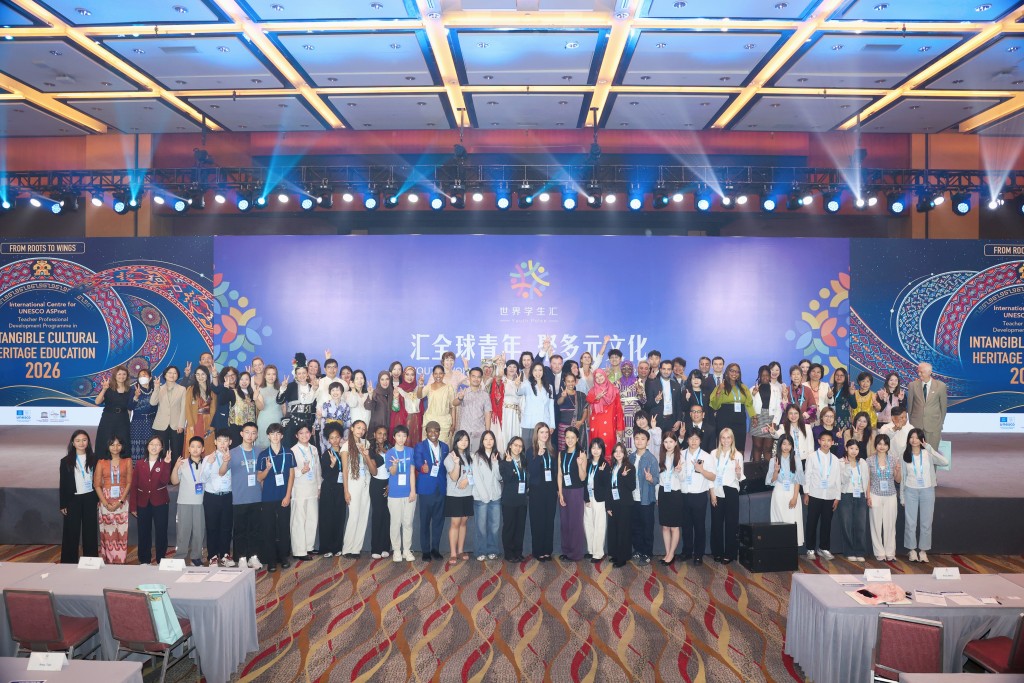
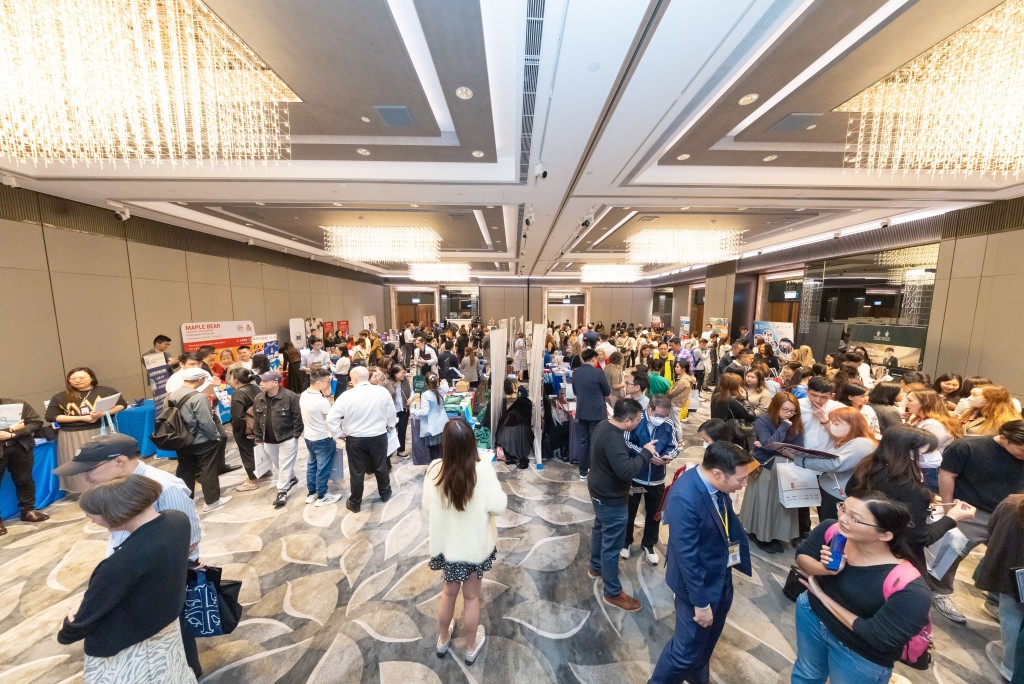
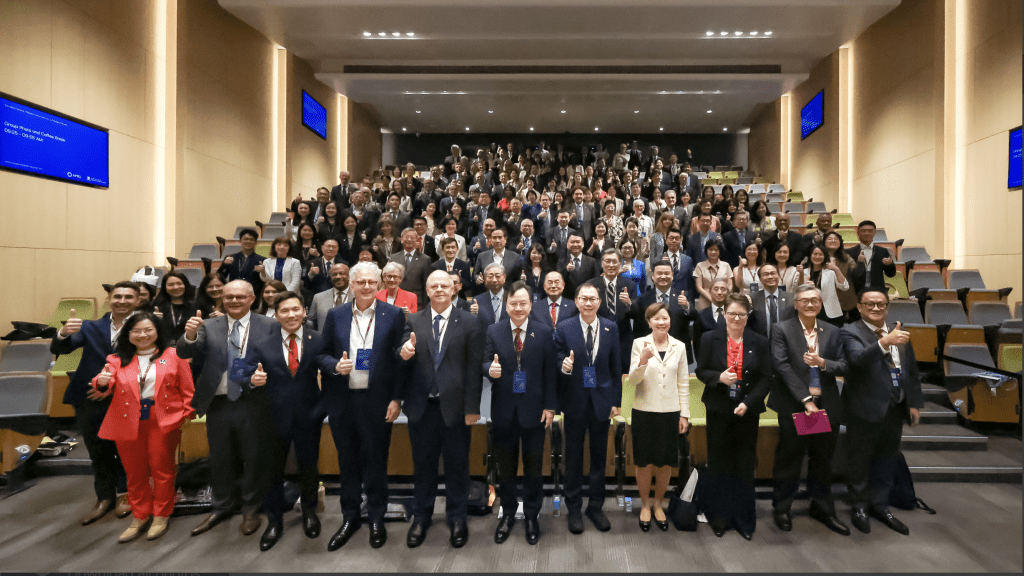
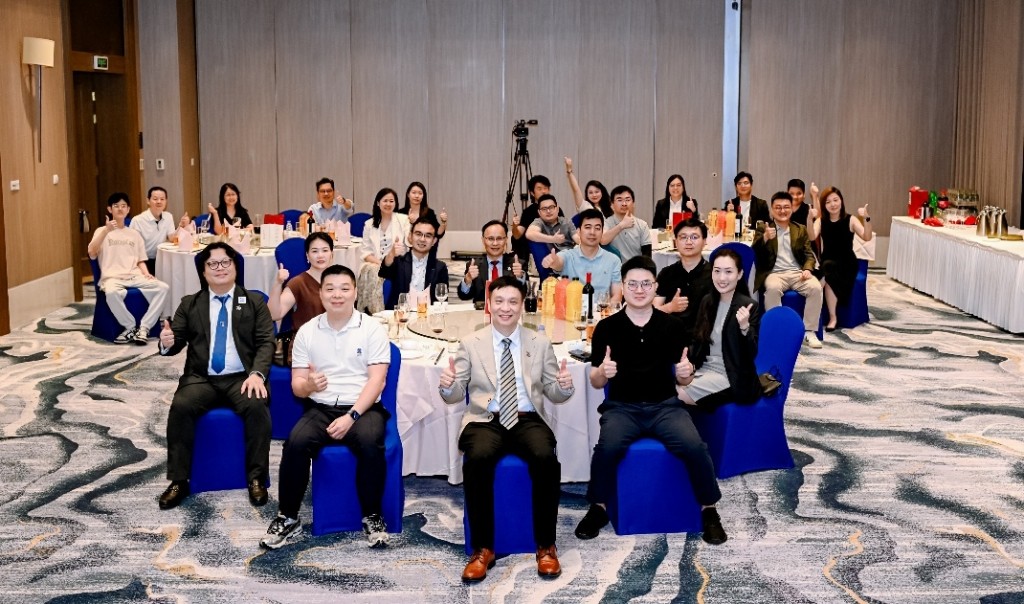
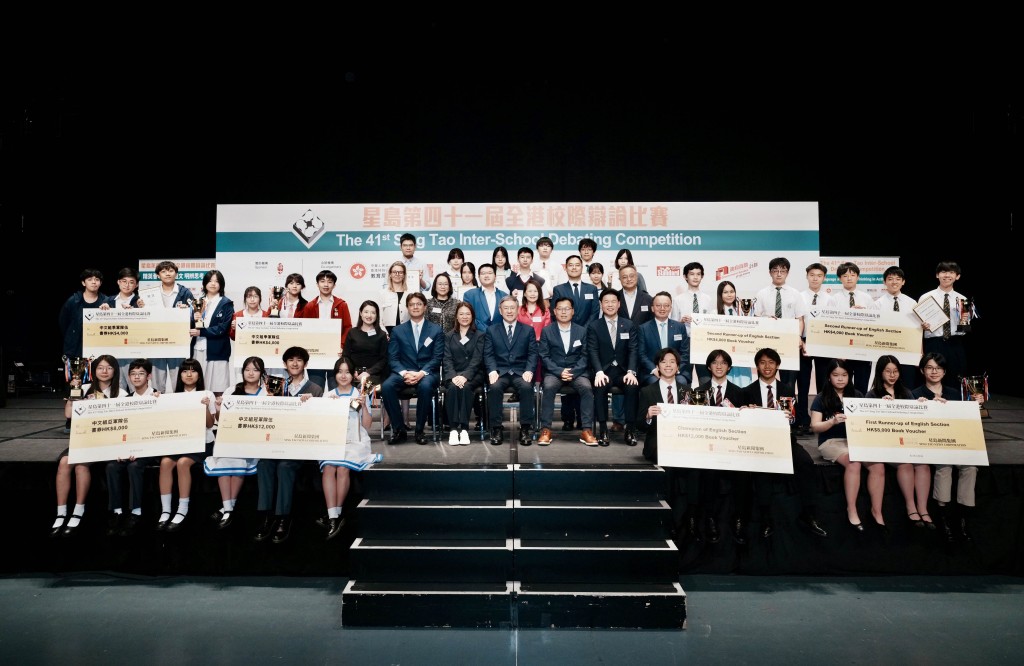
The Global Youth Conference was held in Hong Kong earlier, bringing together youth representatives from 12 countries and regions, along with educators, scholars, experts and consular representatives, to discuss how education and innovation can help build a more sustainable future.
Held under the theme “Education for a Sustainable Future,” the event provided an international platform for young people to exchange ideas on sustainable development, artificial intelligence, cultural understanding and social innovation. The conference was academically guided by the International Centre for UNESCO ASPnet, hosted by 21st Century Media and Education, and co-organised by China Daily Hong Kong Limited and the Hong Kong Arts Exchange Association.
The opening ceremony at the Hong Kong Convention and Exhibition Centre was attended by consular representatives from Brunei, the Philippines, Iran, Laos, Myanmar, Nigeria, Pakistan and Russia.
In his opening remarks, Mr Zhou Li, Deputy Editor-in-Chief of China Daily, said the younger generation’s vision and ability to act would be crucial in addressing global challenges and promoting international understanding.
In a video address, Professor Shahbaz Khan, Director of the UNESCO Multisectoral Regional Office for East Asia, said education is the foundation for achieving the Sustainable Development Goals and called for greater youth participation in decision-making and practical action.
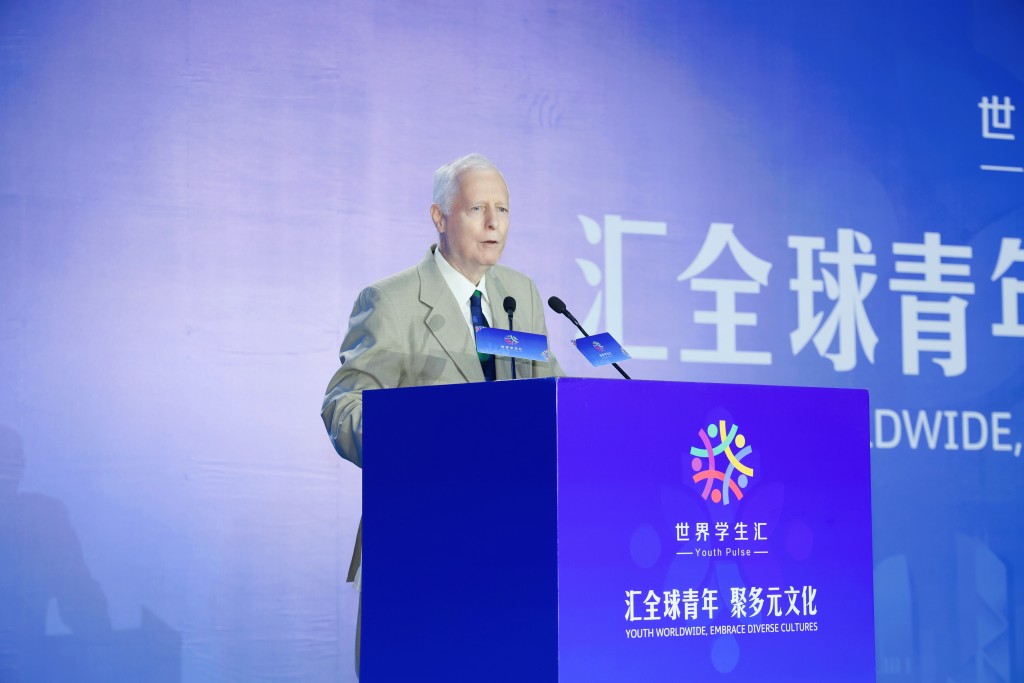
Speakers from different sectors highlighted the importance of cross-border cooperation and youth leadership. Professor Mark Bray of The University of Hong Kong said challenges such as climate change, inequality and cultural conflict require dialogue across borders, with young people serving as key bridges. Ms Poman Lo, Vice Chairman of Regal Hotels Group and Founder of One Earth, urged faster climate action in Asia and stressed that artificial intelligence should be guided by human-centred values.
▲Professor Mark Bray, UNESCO Chair Professor of Comparative Education at the Faculty of Education, The University of Hong Kong, delivers remarks at the conference.
A major focus of the conference was the role of AI in education and society. Eric Stryson, Managing Director of the Global Institute for Tomorrow, said education systems must keep pace with technological change and equip students with future-ready skills. He said AI could contribute positively to areas such as education and environmental monitoring if used responsibly.
The discussion continued in the “AI for Good” workshop led by Dr Tse Sai Kit of The Chinese University of Hong Kong and education technology company Preface. Students worked in multinational teams to explore how AI could improve lives and respond to environmental challenges, while also reflecting on its ethical implications.
▲Participants from different countries discuss in groups, under the guidance of mentors, how artificial intelligence can improve people’s lives and address environmental challenges.
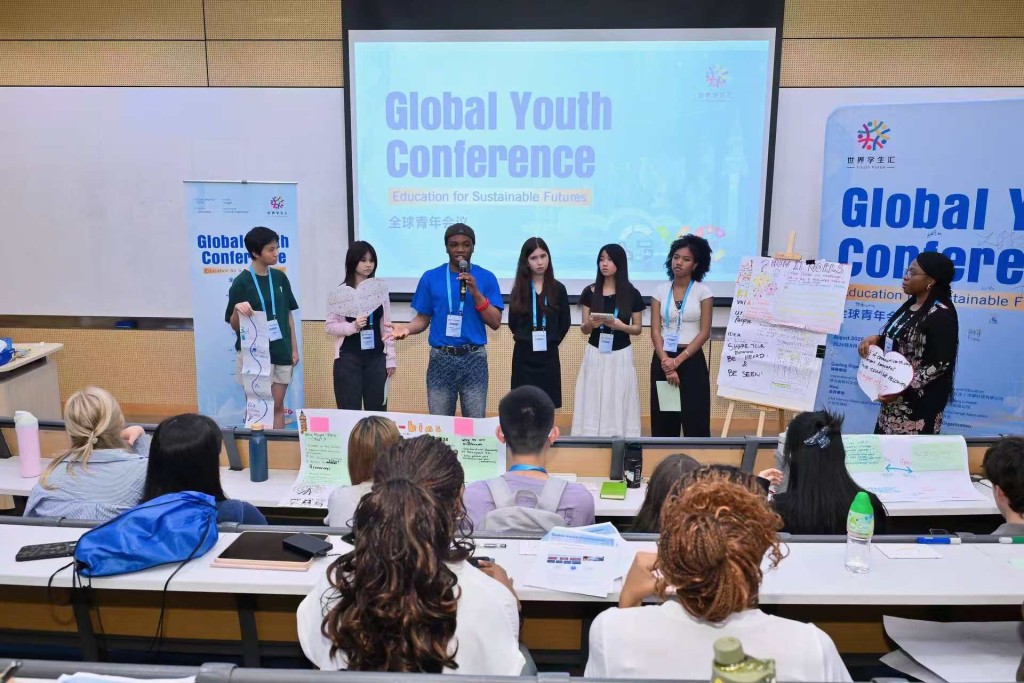
The second part of the conference took place at The University of Hong Kong, where students joined design-thinking workshops and project-pitch sessions. Guided by mentors from education, innovation and scientific fields, they developed proposals around themes including climate action, educational equity, cultural storytelling, inclusion and youth voices in media and the arts.
▲Each team and every student are required to deliver public presentations during the poster-design and project-pitch sessions.
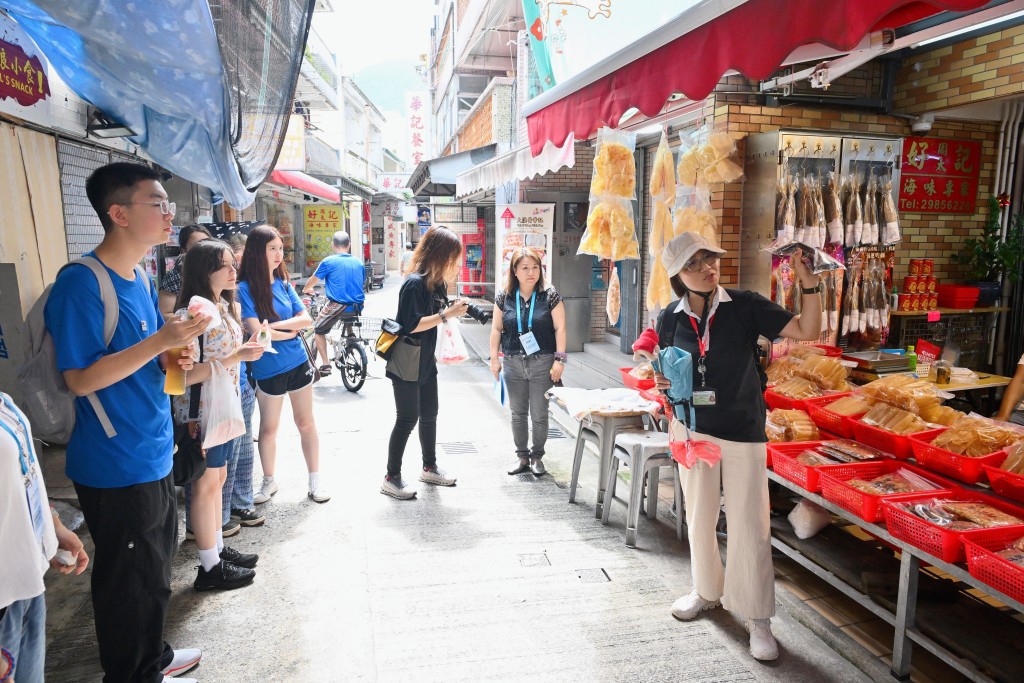
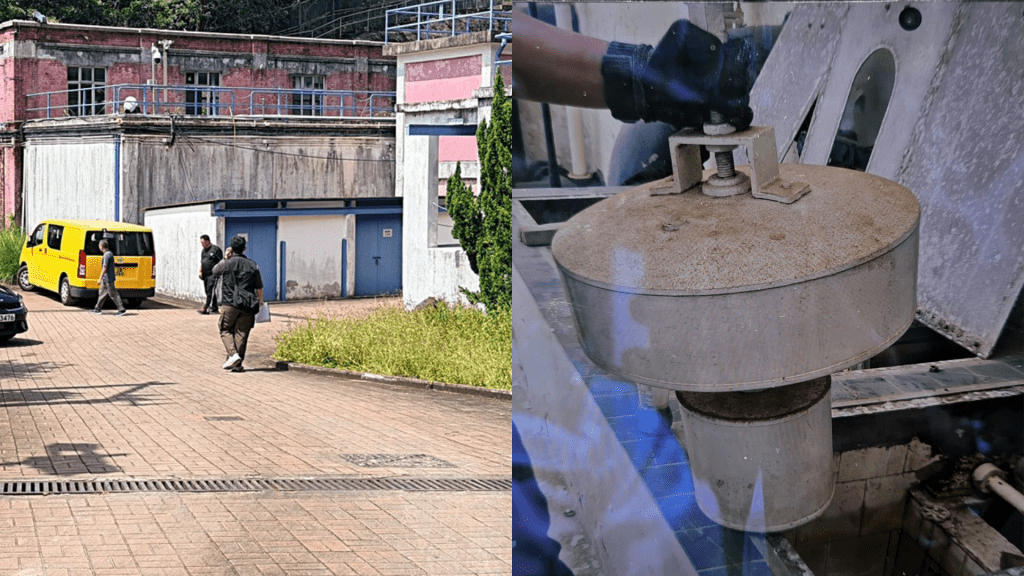
Beyond the conference sessions, participants joined study tours on intangible cultural heritage and sustainable development. They visited Tai O Fishing Village, the century-old herbal dessert shop Kung Wo Tong, Victoria Harbour and WEEE·PARK, Hong Kong’s electronic waste recycling facility, gaining first-hand insight into cultural preservation, urban life and the circular economy.
▲Students visit Tai O village to learn about the fishing industry and local food production.
Ms Angela Cheung, Project Director of the Global Youth Conference, said the programme was designed to encourage students to step beyond the classroom, engage with real-world issues and build confidence through cross-cultural dialogue and collaboration.
The conference underscored a common message: sustainable development requires not only ideas, but also empowered young people capable of turning those ideas into action.