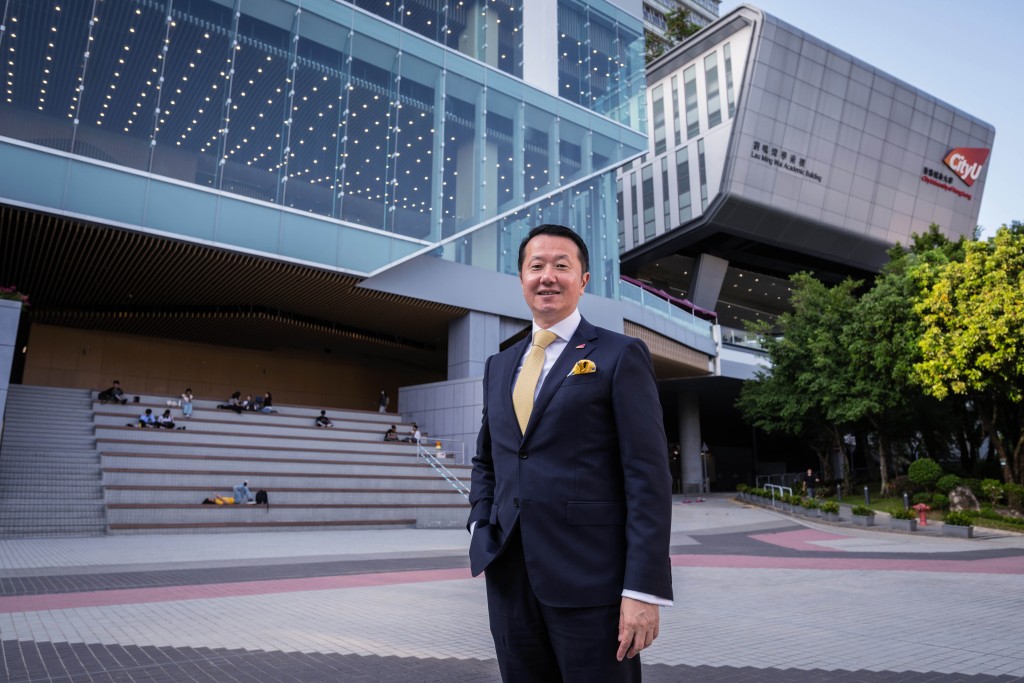
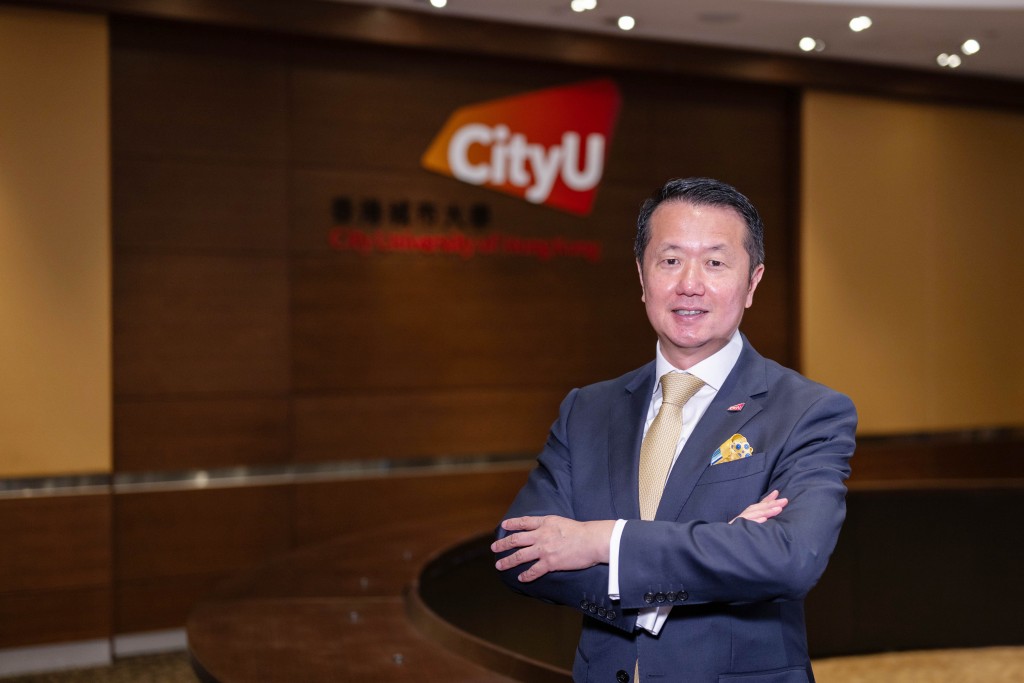
City University of Hong Kong (CityUHK) has climbed three places to a record fourth in the QS Asia University Rankings, as Council chairman Michael Ngai Ming-tak outlined plans for a Northern Metropolis campus.
The QS World University Rankings: Asia 2027 placed CityUHK second in Hong Kong behind the University of Hong Kong, which retained the regional top spot. Peking University and Tsinghua University ranked second and third, while the Chinese University of Hong Kong rose to fifth, placing three Hong Kong universities in Asia's top five for the first time in over a decade.
CityUHK also ranked first in Asia for international faculty and outbound exchange students, joint first for staff with PhDs, fifth for international students and 13th for citations per paper.
Ngai says CityUHK aims to strengthen global partnerships and develop a research and innovation ecosystem in the Northern Metropolis, building on its growing international standing.
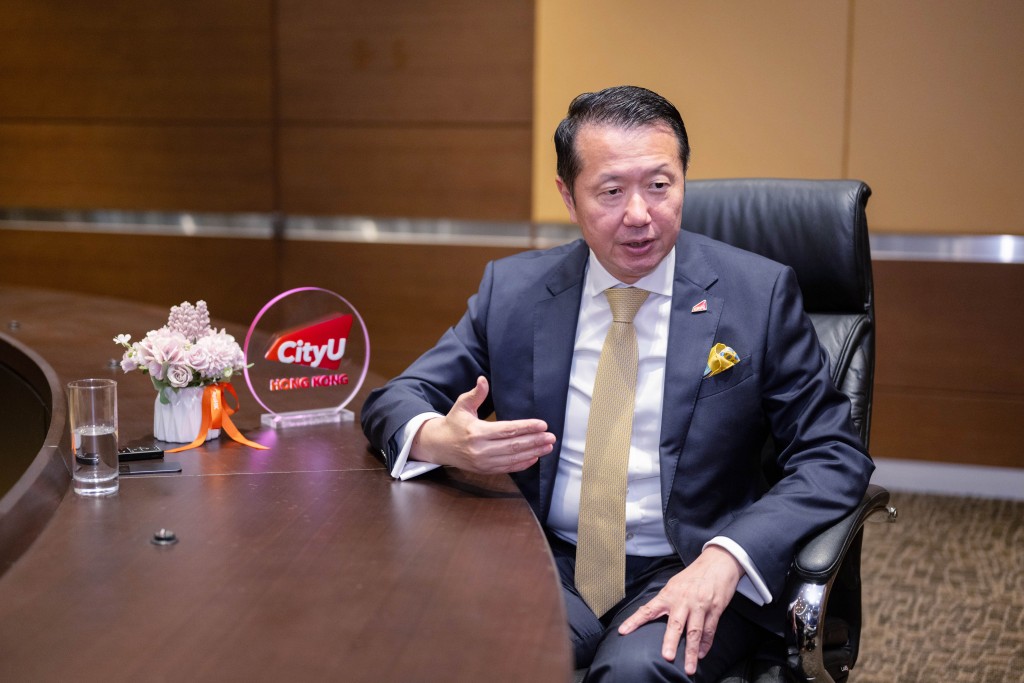
Speaking to The Standard, Ngai credited the university community for the result, but said rankings were not the ultimate measure of success. Universities, he said, should focus on their long-term competitiveness and contribution to society.
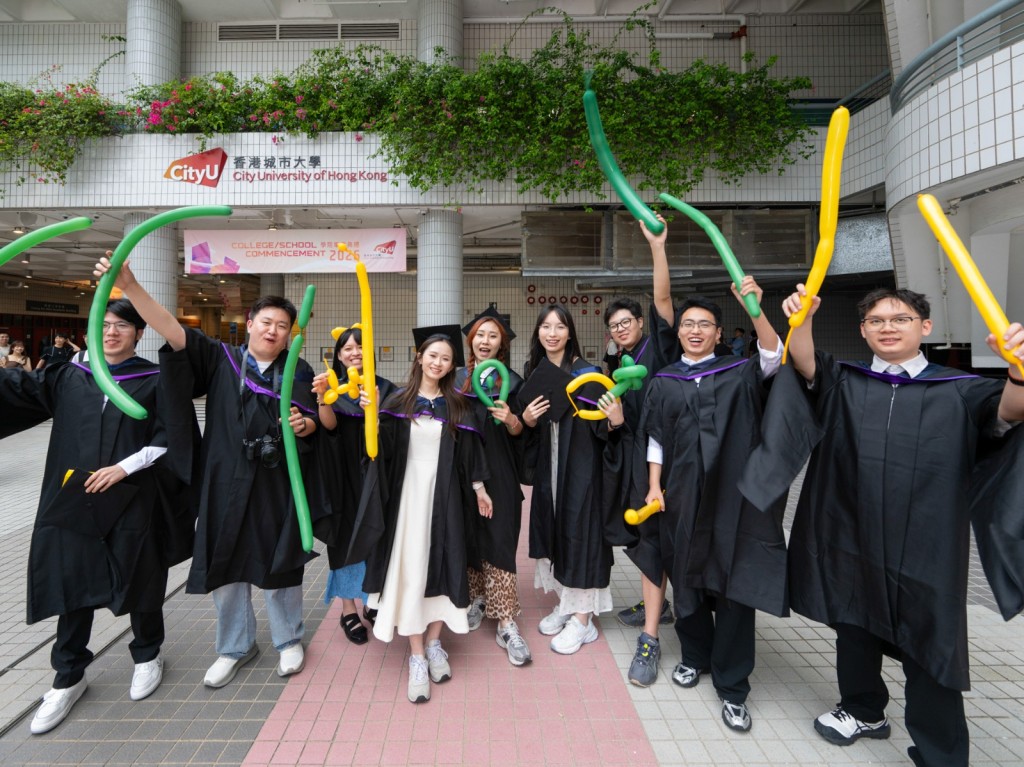
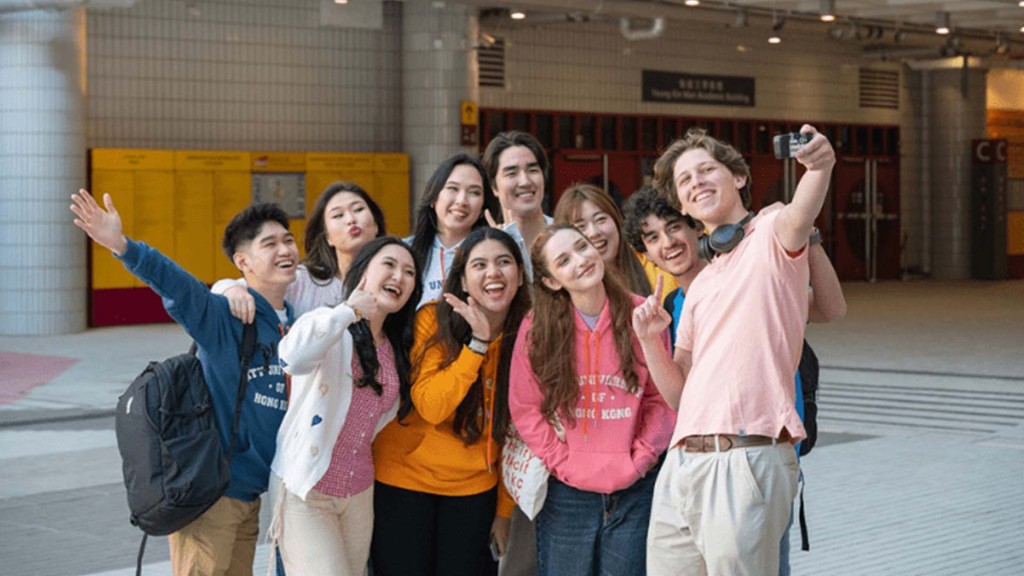
He noted that Times Higher Education had named CityUHK the world's most international university for three consecutive years. Its students come from around 100 countries and regions, supported by over 400 academic and research partnerships across 50 countries and regions.
To broaden its international intake, CityUHK is stepping up recruitment and partnerships in Central Asia, the Middle East and Southeast Asia. Ngai said 203 students currently came from Kazakhstan, with further links being explored in Uzbekistan and Qatar.
That international outlook also shapes CityUHK's expansion plans. Ngai said the Northern Metropolis could ease a longstanding shortage of campus and laboratory space while bringing researchers and industry closer together.
CityUHK plans to apply for one of three sites in Hung Shui Kiu University Town but has yet to choose a preferred plot. It is planning jointly for Hung Shui Kiu and San Tin, with Ta Kwu Ling a longer-term possibility.
Rather than building a conventional campus, Ngai envisages a community linking education, research and technology companies. Facilities could initially serve research and postgraduate training, with undergraduate teaching added as needs develop.
Potential fields include advanced manufacturing, sustainable materials, digital medicine, quantum computing and One Health, which connects human, animal and environmental health.
Ngai said some collaborative research involving institutions such as the University of Cambridge and Switzerland's EPFL could begin in the Hetao cooperation zone before Northern Metropolis facilities are completed.
CityUHK is exploring joint development and other financing models with potential partners. Ngai said the university would retain a leading role in determining how teaching, research and student facilities are planned.
Drawing on CityUHK's Dongguan campus, where the university works with nearby companies and research institutes, Ngai hopes the Northern Metropolis will become a place where academic discoveries can be developed into practical applications.
First-round interviews completed in global president search
City University of Hong Kong (CityUHK) has completed the first round of interviews in its global search for a new president, with Council Chairman Michael Ngai Ming-tak describing the process as progressing smoothly.
Speaking to The Standard, Ngai said the university had attracted strong interest from overseas academics and was encouraged by the quality of candidates, although he did not specify when an appointment would be made.
He said CityUHK was seeking a leader with strong academic credentials, leadership experience and an international outlook, in line with its priorities of innovation and internationalization.
Plans to expand into the Northern Metropolis had also been discussed with candidates, as the development would play an important role in the university's long-term strategy.
Despite intensifying global competition for university leaders, Ngai said finding the right candidate whose experience and vision matched CityUHK's needs remained the priority.