Read More


Defying the demographic cliff: restoring hope
06-10-2026 04:56 HKT
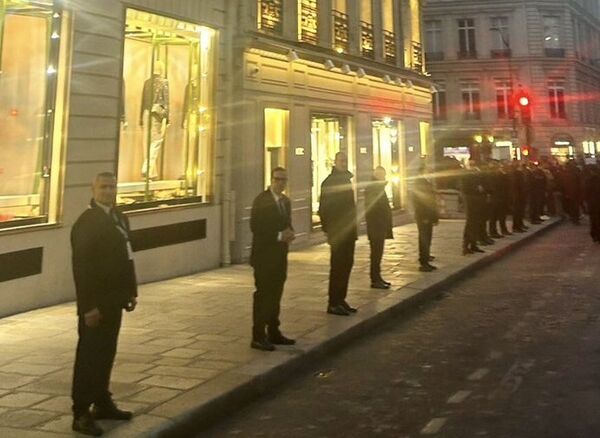
Dior deploys private guards outside Paris flagship amid riots
19-10-2026 19:17 HKT

Macron and wife dance at Celine Dion concert amid French riots
19-10-2026 13:26 HKT
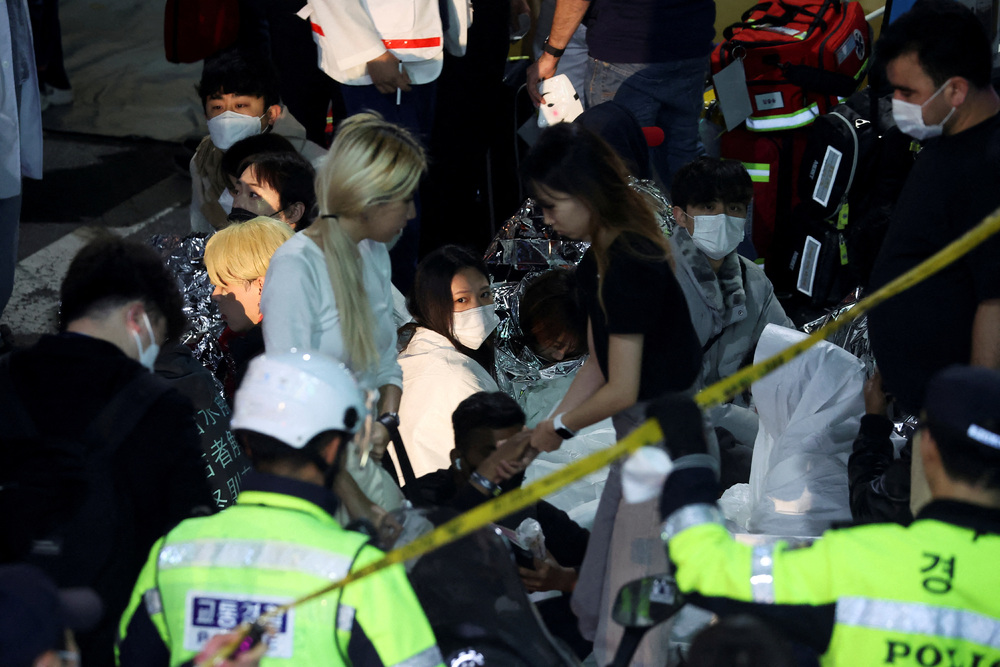
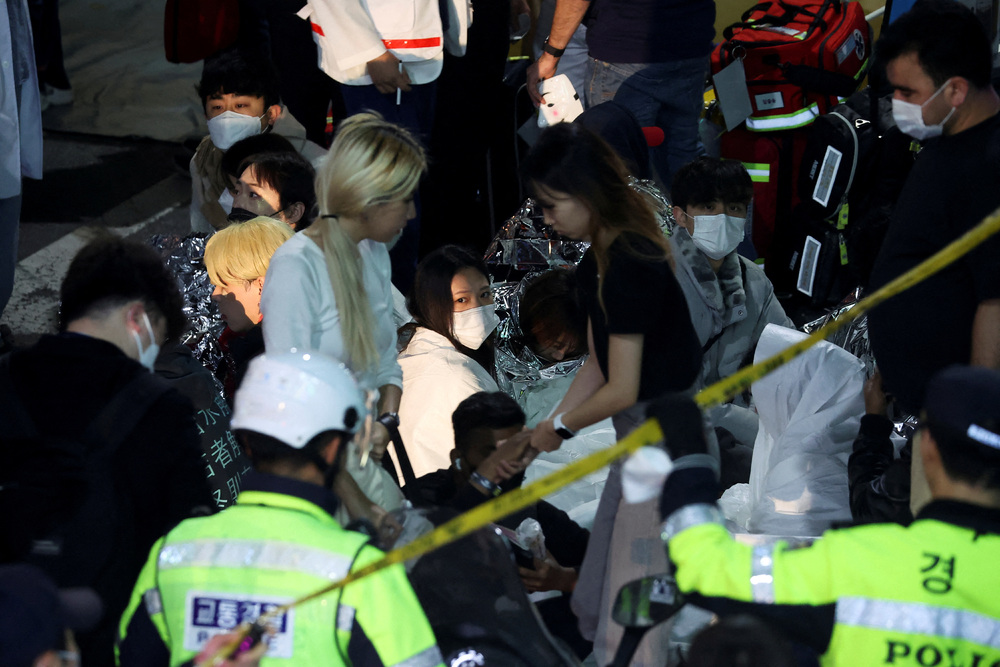
As South Korea counts the dead and injured in Itaewon, there is a tragic sense of deja vu.
At midnight on New Year's Eve in 1993, a crowd crush in Hong Kong's steep-sloped Lan Kwai Fong killed 21 revellers and injured 63.
Twenty-nine years later in Seoul, a stampede in Itaewon - also a steep-sloped local neighborhood formed by alleys - killed at least 153 people and injured more than 80.
As in the Hong Kong tragedy, most of the victims were young.
In hindsight after such tragedies, it is often said that they could have been avoided if there been greater foresight.
That is a fair comment since there have been many crowd-crush incidents over the year, each with a disastrous lesson to be learned.
In 1990, for instance, 1,426 pilgrims died in a crowd crush in Saudi Arabia at the end of the annual haj pilgrimage.
After the Itaewon tragedy, South Korean President Yoon Wuk-yeol declared a period of national mourning.
Meanwhile, local media also cited eye-witnesses as saying there was no crowd control in place to manage the masses thronging Itaewon's narrow alleys that are dotted on both sides with bars and clubs.
Anyone aware of the 1993 Lan Kwai Fong stampede would have known the crush in Itaewon was a disaster waiting to happen. Even though, as said, it was also a tragedy that could have been prevented if there had been greater foresight.
Seoul residents had been living under lockdowns and social distancing until South Korea lifted Covid restrictions rather recently. The Halloween celebration in Itaewon was the first major festive event in Seoul for three years.
It should have been anticipated that places such as Itaewon would be swamped with partygoers once they were freed from Covid restrictions.
To a certain extent, it was similar to Hongkongers snapping up air tickets to Japan right after the SAR government relaxed the border control for inbound travelers to the 0+3 rule - ie, three days of health observation at home and monitored movement,
After being isolated for so long, people may become less alert than before - and this may have also contributed to the tragedy in Seoul.
A Seoul resident was quoted by the media as saying there were crowd-management measures in the area in the past for New Year celebrations and protests, but there were none to be seen as tens of thousands of Halloween revellers swamped Itaewon.
Could Covid have weakened the vigilance of both the crowds and the police?
After the New Year stampede in Lan Kwai Fong, the Hong Kong government appointed then-High Court judge Kemal Bokhary to conduct an inquiry into the disaster.
As a result, crowd-control measures are now implemented at major holidays and events.
Even though upcoming major events - including the Hong Kong Rugby Sevens - are expected to run smoothly, the Seoul disaster serves as a tragic reminder that accidents can always happen without warning.