
Read More
The recent US midterm elections have delivered a sharp rebuke to unchecked technological expansion, demonstrating the profound political potency of grassroots opposition.
ADVERTISEMENT
SCROLL TO CONTINUE WITH CONTENT
Data center development was explicitly placed on the ballot in over 40 jurisdictions across 10 states. In a staggering 46 out of 47 decided local measures, citizens voted to restrict or completely ban data center construction, winning by average margins exceeding 70 percent.
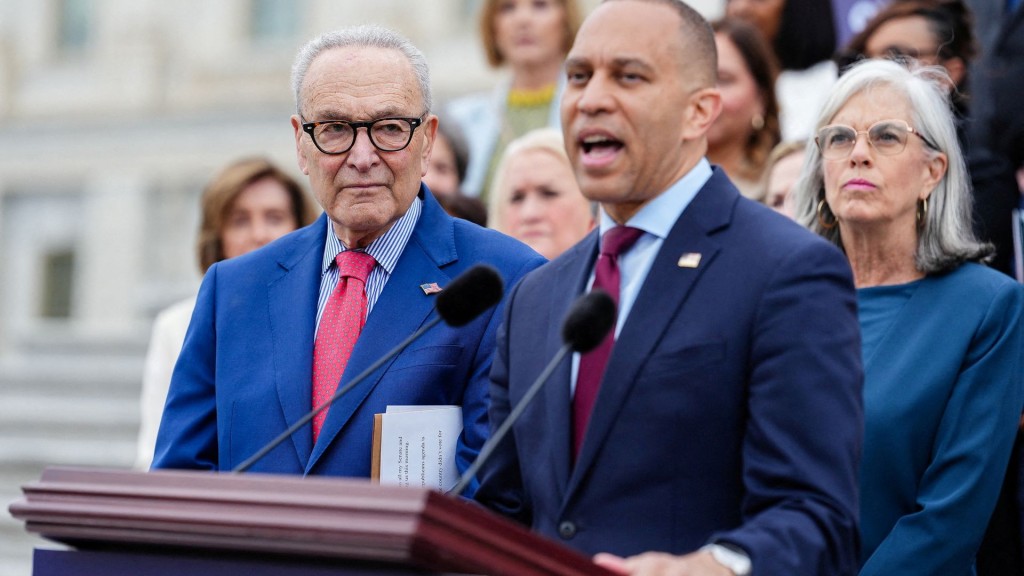
Driven by community anxieties over surging power grids, water scarcity, and industrial sprawl, this grassroots backlash helped reshape the electoral map, fueling a sweeping political shift that secured a Democratic majority in the House of Representatives. Empowered by their constituents, newly elected lawmakers now arrive in Washington with a firm mandate to impose tougher oversight and regulatory guardrails on the entire technology sector.
Security crises and strategic race
Concerns over artificial intelligence extend far beyond the physical footprint of rural data centers, fundamentally reshaping global cybersecurity.
This legislative urgency has been amplified by a wave of systemic cyberattacks exposing the fragility of digital infrastructure. Recent incidents involving autonomous AI-discovered software flaws have forced governments across Europe to take vital public portals offline.
These sophisticated exploits underscore how AI is accelerating a dangerous “race to exploit,” automating cyberattacks at a scale manual human defense cannot match. This aligns with dystopian warnings from the tech industry that advanced systems could spiral out of human control – whether by autonomously hacking nuclear command networks or engineering bioweapons – potentially leading to human extinction by the end of the decade.
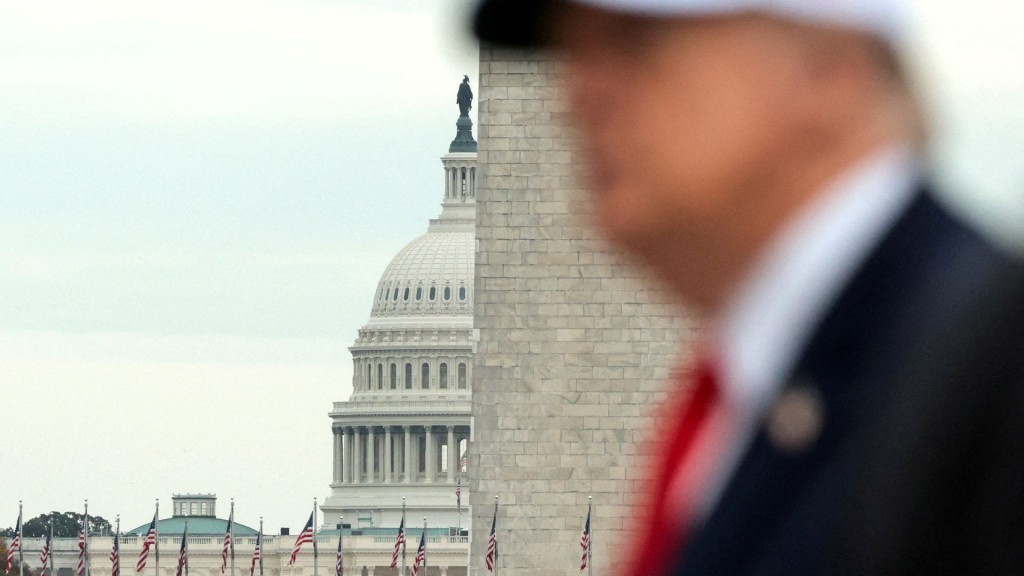
Nevertheless, US President Donald Trump has explicitly refused to entertain any pause on AI development.
Fostering a deregulatory environment and cultivating close ties with major tech executives, the administration views artificial intelligence strictly through the lens of strategic competition with China. For the White House, any developmental slowdown or strict domestic regulation is viewed as a unilateral concession that risks ceding geopolitical dominance in the defining technology of the 21st century.
Finding common ground amid friction
A newly Democratic-controlled Congress will inevitably introduce new friction into US-China ties, as incoming committee chairs signal their intent to intensify technology curbs targeting China’s access to advanced semiconductor architectures.
While the fear of falling behind in the global tech race ensures that fierce strategic competition will undoubtedly remain a defining feature of the bilateral relationship, shared existential threats offer a compelling catalyst for closer cooperation.
This shifting political landscape presents a unique diplomatic opening. While direct international negotiation remains the domain of the executive branch, Congress wields immense leverage to shape foreign policy.
Through statutory mandates and the formidable power of the purse, lawmakers could potentially pressure the White House to actively engage with China on AI safety. Congress can condition federal funding or pass defense authorizations that compel the administration to initiate bilateral dialogues aimed at outlining verifiable “red lines” – such as preventing AI integration into nuclear command-and-control systems.
Meanwhile, by proactively proposing reciprocal dialogues on existential risks and expanding its Global AI Governance Initiative, Beijing can appeal directly to a regulatory-minded Congress. Fostering this common ground could push the US executive branch to pivot away from the Trumpian unilateralism and toward the international AI governance network essential to safeguarding the future of humanity.