Read More


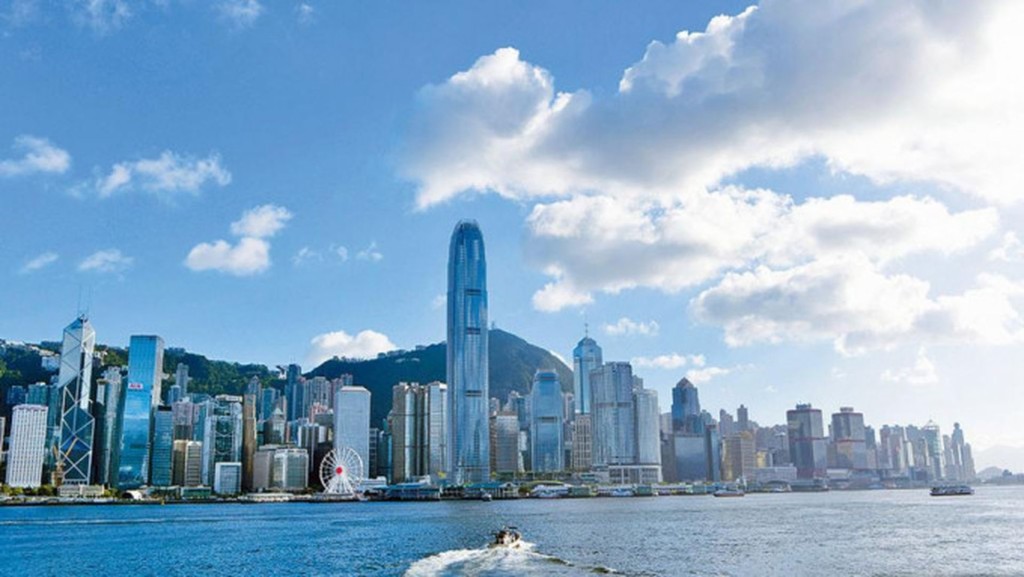
Beyond the boardroom: showcasing Hong Kong’s unique charm to the world
21-10-2026 05:30 HKT

Swire to pursue $15b vision for Taikoo Place
02-11-2026 06:00 HKT


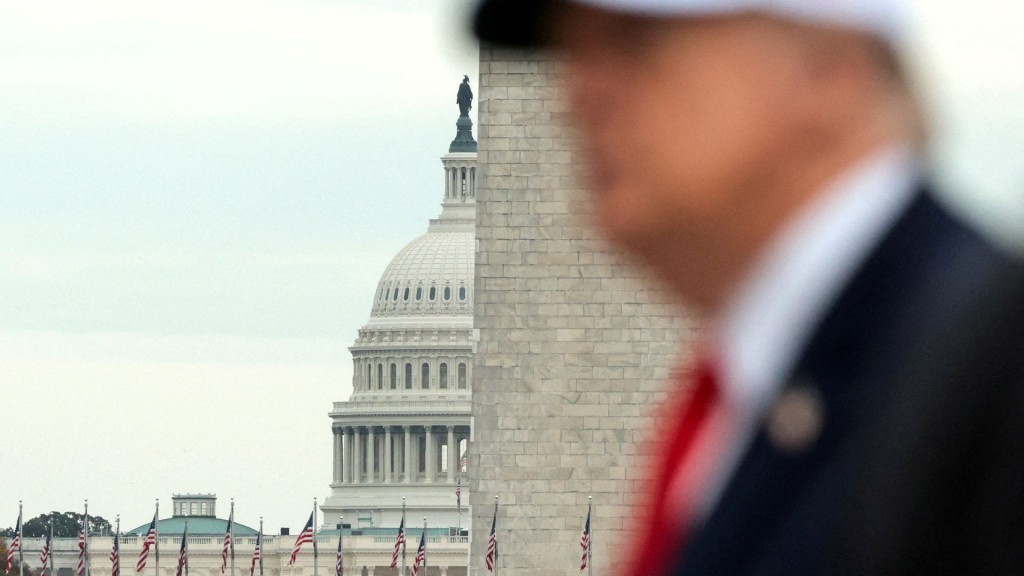
At the recent Fifth Plenum of the Chinese Communist Party, a crucial resolution highlighted the severe institutional risks of corruption stemming from “capital penetrating the political domain.”
The profound accuracy of this warning is starkly visible in the US midterm elections – taking place today – which is widely projected to be the most expensive in American history. Spending on political advertising alone is expected to reach an unprecedented US$11.6 billion (HK$91 billion), eclipsing previous records.
The sheer scale of billionaire influence over the electoral process is staggering. Tech magnate Elon Musk, the world’s first trillionaire, has alone contributed roughly US$446 million to Republican-aligned causes during this cycle. On the Democratic side, megadonors George Soros and Michael Bloomberg have poured US$102 million and US$84 million, respectively, into their favored initiatives to counter this financial wave, demonstrating how deeply money defines political viability.
Beyond billionaires, the financial involvement of the Israeli lobby is massive. The American Israel Public Affairs Committee, or AIPAC, has spent over US$104 million this cycle to back pro-Israel candidates and defeat critics of US military aid.
The Michigan Senate race offers a dramatic case study. The single largest expenditure in AIPAC history was dropped on the state’s Democratic primary. AIPAC and its affiliated super PAC, the United Democracy Project, poured US$30.6 million into ads supporting Representative Haley Stevens against progressive epidemiologist Abdul El-Sayed, known for his vocal criticism of the US-Israeli war against Iran.
Although El-Sayed narrowly won the primary despite the onslaught, UDP relentlessly extended its campaign into the general election, launching over US$500,000 in attack ads favoring Republican nominee Mike Rogers. The political drama climaxed yesterday in a “November surprise” when Stevens – beneficiary of over US$35 million in pro-Israel spending throughout her career – crossed party lines to formally endorse Rogers against her former Democratic rival.
Meanwhile, working-class Americans suffer from skyrocketing fuel prices while major oil corporations record massive profits. In the third quarter of this year, ExxonMobil and Chevron reported soaring earnings of US$15.4 billion and US$9.9 billion. These fossil fuel titans were key backers of Donald Trump, collectively funneling tens of millions into his 2024 campaign and allied super PACs.
During his presidential run, Trump centered his foreign policy on an “America First” non-interventionist doctrine. He promised a definitive end to foreign entanglements, painting Washington’s establishment as “warmongers.”
But upon taking office, those populist promises evaporated, replaced by a wholesale embrace of the Israeli lobby, military-industrial complex, and Big Oil.
While voters who feel betrayed will have a chance to punish Trump at the ballot box today, the flood of money in politics remains a rampant problem festering within the US political system. It has driven a widening economic divide, regulatory failures, and declining public services that will corrode the country for years. Trump has already signaled he would become “Mr Veto” if he loses control of Congress, only guaranteeing further political gridlock.
Learning from this systemic dysfunction, it is critical for mainland China and Hong Kong to rigorously strengthen self-governance. We must establish an administration free of corruption, grounded in the people’s interests rather than vested interests, deliver support to all sectors of society equitably, and outline development strategies that extend far beyond short-term election cycles or profits. Ultimately, a government can only secure enduring public trust when its policymaking remains fiercely insulated from the unchecked dominance of capital.